
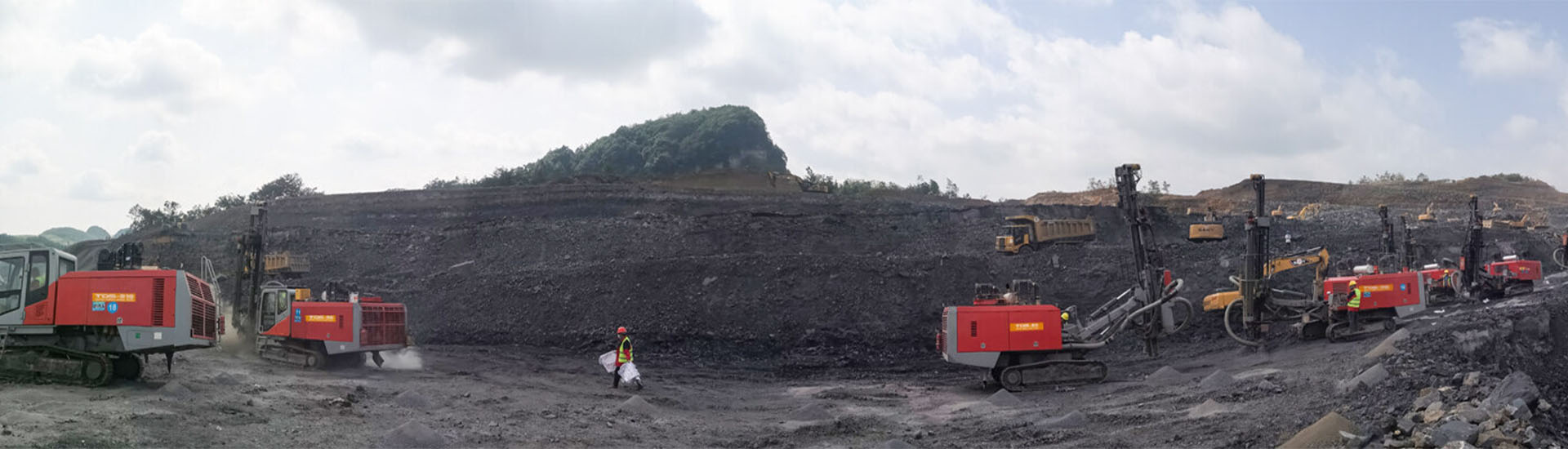

If your team is still using water well drilling rigs that are 18 years old or more, the hidden expenses are likely greater than you realize. These older machines break down during critical moments. Repair costs continue to rise steadily. And daily production falls off. As a result, you finish fewer wells each month. You miss out on contracts. Your workers sit idle. All of this cuts into your profit edges.
Imagine this scenario. You pull up to a distant farm location set to drill an irrigation well. The rig fires up fine. But midway through the workday, a hydraulic hose gives out once more. You face hours of delay as you search for replacement parts. By day’s end, you have only hit 40 meters. That is far short of the 80 meters you aimed for. Does this ring true? Plenty of contractors deal with this issue. They use aging rigs with little automation. These machines also falter in harsh settings.
The Hidden Cost Curve: Maintenance vs. New Equipment Payback
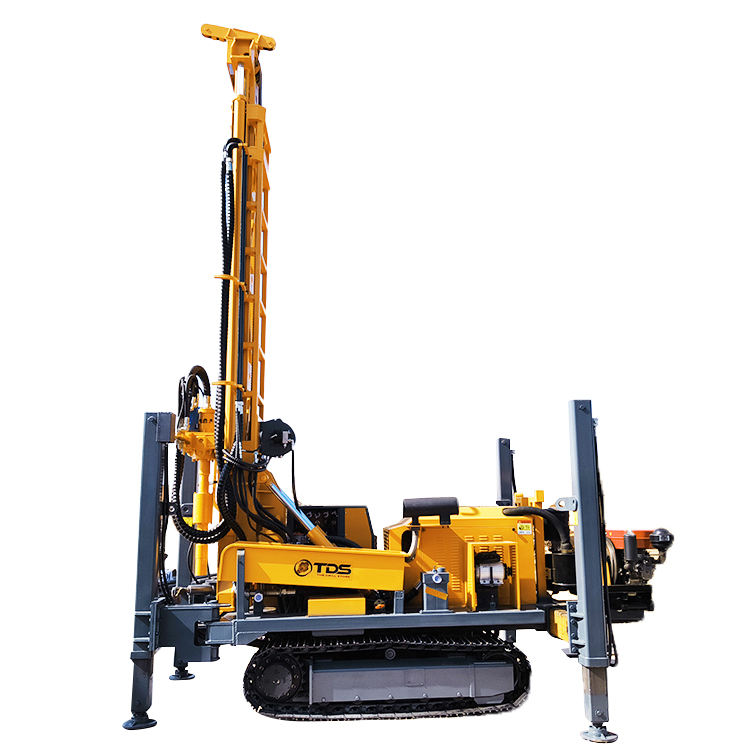
Review your upkeep logs from the past few years. At first, an older rig might just require simple lubrication and filter swaps. However, after 15 to 18 years, the situation shifts fast. Hydraulic pumps start to wear thin. The rotary head fails to maintain steady torque. The mast develops signs of strain. Repairs that once ran a few thousand dollars annually can now climb to $25,000 to $50,000 per rig.
Fuel use goes up as well. Engines in poor shape labor more intensely. This happens particularly in rocky or sloped areas. Then factor in unplanned stoppages at $250 to $350 per hour. Your entire team waits during these times. The money drain turns significant.
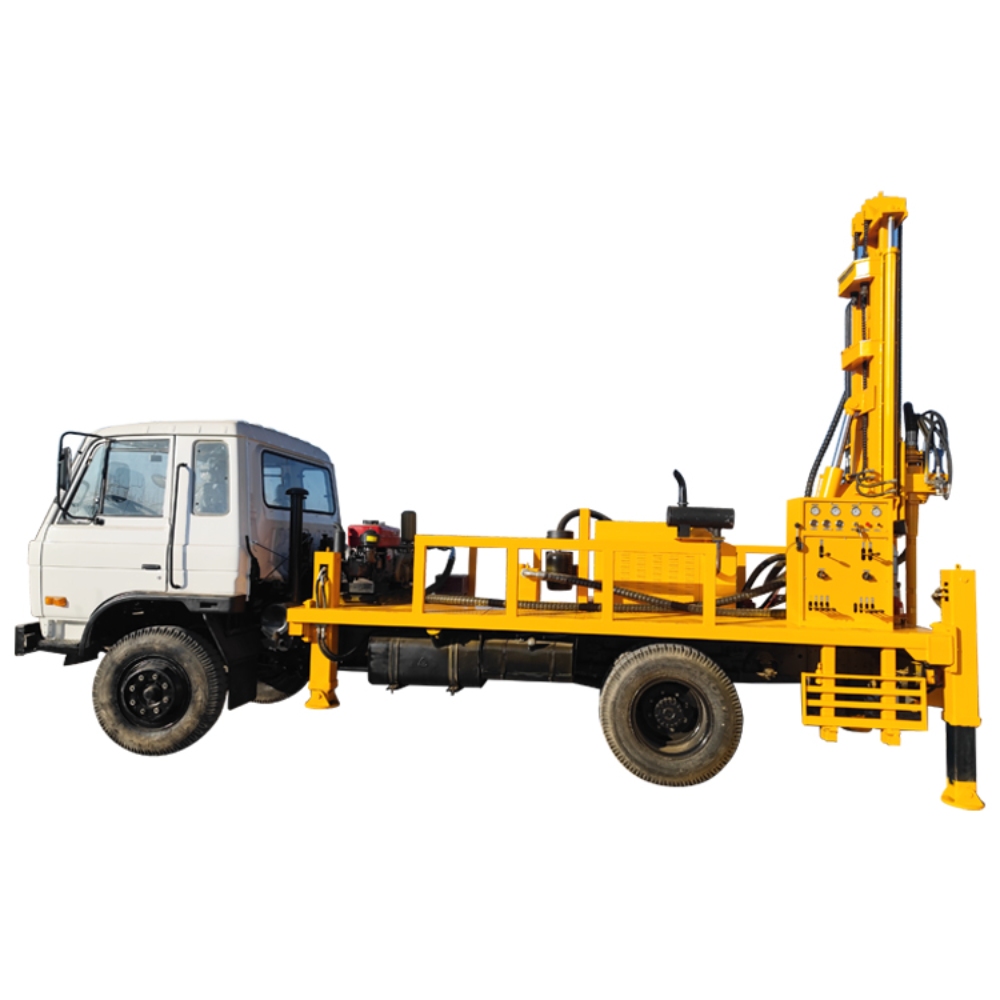
Think about switching to a fresh TDS Vehicle-mounted water well drilling rig. These machines allow you to drive directly to the spot. They feature easy self-loading and unloading. Plus, they offer robust off-road movement. And they include intelligent handling. Your worker can concentrate on the drilling task. He or she does not need to wrestle with the device all the time.
Options vary from the TDS180T, which reaches 180 meters deep, to the TDS1000T, which goes down 1,000 meters. Bore sizes span from 90 mm to 800 mm. Pull strength goes from 12 to 52 tons. Larger versions provide torque up to 20,000 Nm. This delivers ample force for difficult rock layers.
A driller in rugged terrain told a common tale. His outdated rig handled only 35 to 45 meters each day. He then moved to a newer truck-based model. It had improved fluid systems and a dependable motor. On the same kind of land, his daily advance jumped to 70 to 90 meters. This improvement allowed him to finish two more wells monthly. He did so without extra work hours. In just one year, the added output offset much of the purchase price.
Spotting the Right Time to Upgrade
How can you tell when to swap out your worn water well drilling rig? Look for these obvious signals. First, repair visits occur more than twice in one three-month period. Second, drilling speeds drop 20 to 30 percent under past levels. Third, fuel expenses climb, and you spend more worker time just to push jobs forward. Fourth, you notice heavy shaking, old-fashioned controls, or trouble steering on narrow spots.
For many drillers, the key moment arrives between 15 and 20 years. At that point, fix-up bills often surpass the monthly fees for a fresh rig. Meanwhile, the everyday gains in work bring steady benefits. These show up in 12 to 24 months.
Here is a simple comparison chart:
| Aspect | Aging Rig (18+ years) | Modern TDS Vehicle-Mounted Rig |
| Annual Maintenance | $25,000–$50,000+ | Much lower, mostly routine service |
| Daily Drilling Output | 30–50 m in tough ground | 60–100+ m depending on model and conditions |
| Automation Level | Mostly manual, more fatigue | Smarter systems, easier on the operator |
| التنقل | Limited on rough terrain | All-terrain with self-loading/unloading |
| Depth Capability | Often drops due to wear | Full rated depth (180–1,000 m) stays strong |
| Downtime Risk | High | Lower thanks to solid build |
These numbers draw from actual drillers who switched over.
How a TDS Vehicle-Mounted Water Well Drilling Rig Changes the Game
ألف TDS Vehicle-mounted water well drilling rig manages routine water well tasks quite well. It suits needs from household water sources and farm watering systems to factory supplies, animal hydration, and heat energy bores. The fluid setup provides even, reliable force. Since it mounts on a truck, you simply arrive and begin work. Setup takes little effort.
Workers soon spot key upgrades. For one, setup happens quicker. You often skip the need for a different haul vehicle on many sites. Also, the team feels less bodily stress. This comes from more intuitive controls. Further, checkups occur less often. Tough parts last in gritty, stony places. Finally, the unit adapts well. It works for shallow 150-meter home wells. It also tackles deeper bores in firm soil.
One site boss summed it up after his initial year. He said, “We used to fight the gear daily. Now it seems to aid us.” This change results in superior wells. It also boosts team spirit.
To expand on these benefits, consider how the rig’s design eases daily operations. The self-loading feature means you can move from one job to the next without extra help. Operators report that the controls feel more responsive, which cuts down on errors during long shifts. In dusty conditions, the sealed components hold up better than older models, reducing the need for constant cleaning. For deeper projects, the consistent torque ensures you maintain speed without pushing the machine too hard. Overall, these elements combine to make the workday smoother and more efficient for everyone involved.
Background on TDS Drilling Equipment
Through the decades, TDS has gained firm know-how in providing top-notch and dependable rigs. These serve uses in scouting, explosive hole drilling, and water well tasks. The firm applies that same down-to-earth building approach to its truck-based water well drilling rigs. With solid production skills and a wide support web, TDS creates gear that matches everyday funds and strict site demands.
Drillers value the basic layout. These rigs suit hill and stone jobs. At the same time, they keep total ownership expenses in check. The lineup fits from tiny solo outfits to big groups of machines. Help includes tools, simple lessons, and follow-up care. All this keeps your work flowing without hitches.
Diving deeper into TDS’s approach, the company focuses on practical innovations that address common field challenges. For instance, their rigs incorporate reinforced frames that withstand vibrations from rocky ground better than competitors. The service network ensures parts arrive quickly, even in remote areas. Training programs are straightforward, often completed in a day, so new users get up to speed fast. This reliability has earned TDS a strong reputation among contractors who prioritize uptime over flashy features. Whether you’re drilling in arid deserts or wet valleys, the equipment adapts without compromising performance.
Conclusion
Worn water well drilling rigs might still manage basic work. But as time passes, they steadily erode your earnings. This occurs via steeper fixes, reduced speed, and overlooked chances. When you weigh upkeep costs against upsides from fresh gear, the decision stands out plainly.
Putting money into a solid TDS Vehicle-mounted water well drilling rig goes beyond just swapping old tools. It offers tighter time management, firmer earnings, and an advantage in a hard market.
Set to check what a current rig can achieve for your operation? Look over the complete set of TDS water well drilling rigs. Or reach out to the group to talk about the ideal unit for your main tasks. The earlier you make the change, the quicker those unseen expenses quit damaging your results.
In the broader sense, upgrading aligns with industry trends toward efficiency. As water demands grow worldwide, reliable equipment becomes essential. TDS rigs not only meet current needs but also prepare you for future expansions. Contractors who delay often find themselves outpaced by peers with modern tools. By choosing TDS, you invest in a partner committed to your success, backed by years of proven results in diverse environments.
FAQs
What is a TDS Vehicle-mounted water well drilling rig best suited for?
These rigs perform well for boring water wells for residences, farm watering, factory needs, animal supplies, and geothermal efforts. Their off-road skills and powerful fluid systems make them ideal for hill or stone locations. Quick assembly counts a lot in such spots.
How deep can a TDS Vehicle-mounted water well drilling rig go?
The depth varies by type. Smaller ones like the TDS180T reach 180 meters. Bigger models such as the TDS1000T hit 1,000 meters. Bore widths span 90 mm to 800 mm. This range fits most usual water well jobs. It maintains good twist and lift strength.
When does it make financial sense to replace an old drilling rig?
Many drillers hit the balance point at 15 to 20 years. That is when fix costs spike and daily work slows. If upkeep eats more budget and you lose work time, a new TDS rig typically recovers costs via quicker bores and reduced daily expenses.
Are TDS Vehicle-mounted water well drilling rigs easy to operate and maintain?
Yes, they are. Options like self-loading, better auto features, and useful build cut worker tiredness. They simplify routine inspections. The rigs last long with proper care. TDS draws on worldwide drilling background for this.
What kind of ROI can I expect from investing in a new TDS Vehicle-mounted water well drilling rig?
Plenty of drillers see a sharp rise in daily bore distance right away. This leads to more finished wells and better contract wins. With fewer stoppages and cheaper upkeep, the return often shows in 12 to 24 months for busy outfits.
To add more detail on ROI, think about real-world examples. One operator in a competitive region doubled his monthly output after the switch. Fuel savings alone covered 20% of the monthly payment. Over time, the rig’s durability meant fewer surprise repairs, freeing up cash for growth. In essence, the investment strengthens your entire business model, turning potential losses into steady gains.
 Arabic
  English
  Portuguese
  Spanish
  Russian
  Italian
  German
  French
  Dutch
Dutch