
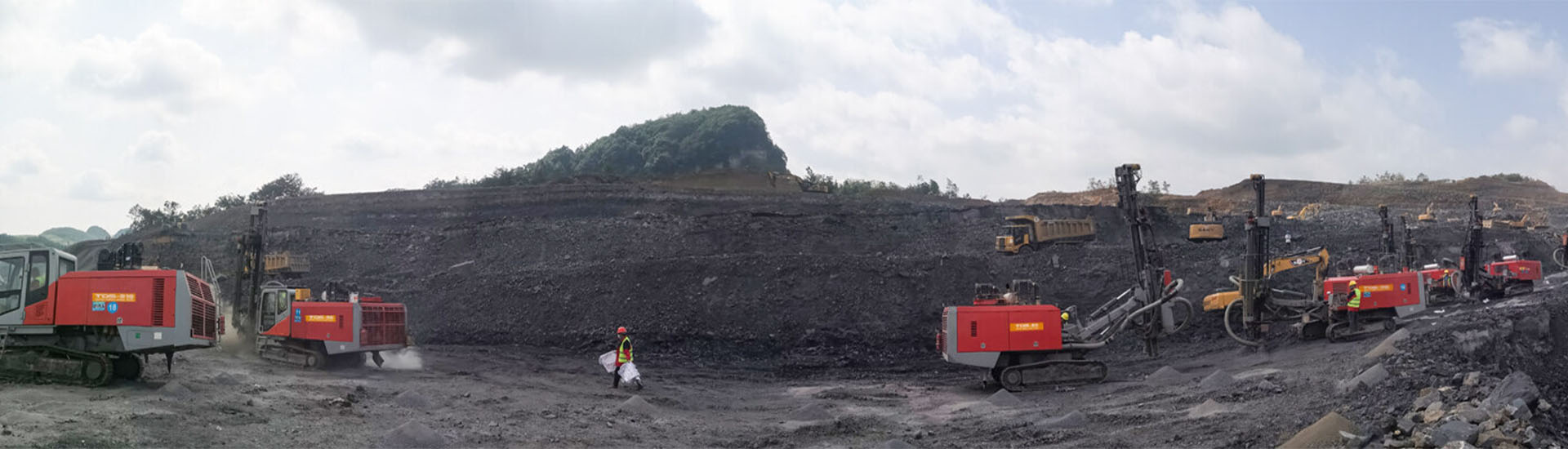
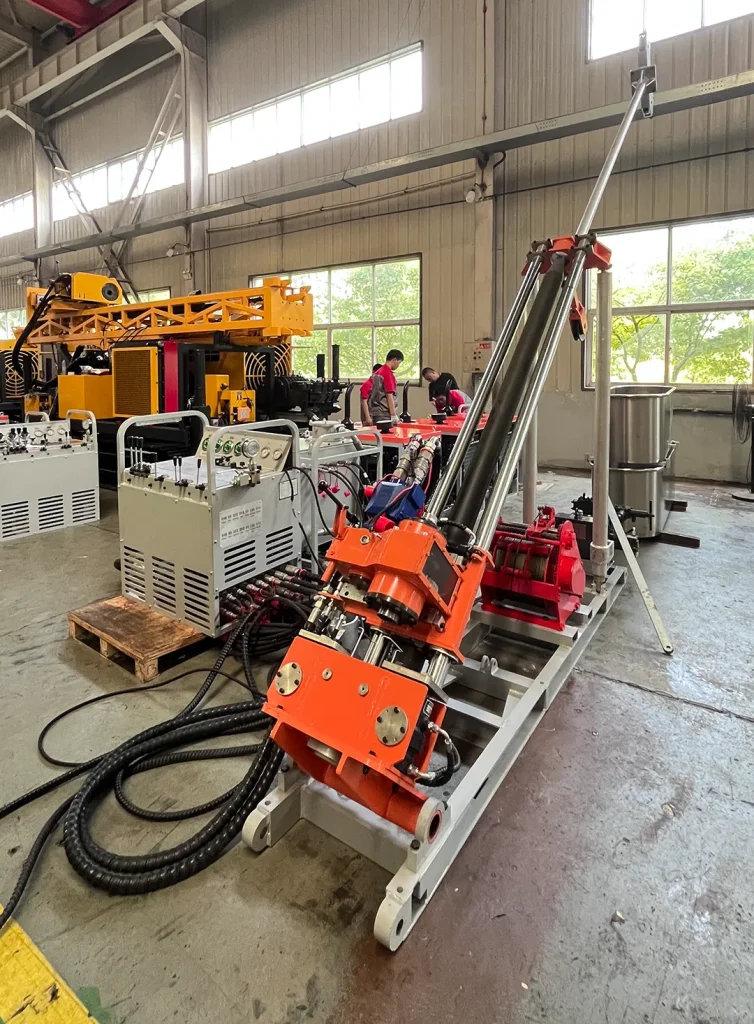
Picking the proper surface coring drilling rig for geothermal jobs takes care. Uses have grown well past basic mineral hunts. Now, groups bore for heat power, waste storage checks, and large building tasks. Every task sets its own needs for reach, strength, and steadiness. Choose the bad one, and you deal with slow moves, extra expenses, or gear that fails under the pressure.
This overview covers the features that truly count in heat drilling. We stick to everyday results so you pair tools to your job wants. You see how each part fits real sites. That way, you make choices that work well over time.
Why Geothermal Exploration Demands Specific Rig Capabilities
Heat boring usually calls for deep cuts through tough stone. You also handle warm spots and shifting soil types. This differs from light mineral pulls. These efforts often aim for 500 to 1000 meters or deeper. The setup has to give steady force. It must keep the bore straight and aid quick sample pulls.
Lots of shoppers still pick by old ways from basic lists. That path brings tools that lag in slanted cuts. They heat up fast during steady work or weigh too much for far-off spots. A solid surface coring rig calls for even skills in key spots. It balances well across the board.
In short, geothermal sites push gear hard. Rock layers vary a lot. Heat builds up quick. So, the right rig keeps things smooth from start to end. You avoid stops that cost time and money.
Core Specs You Must Evaluate for Geothermal Projects
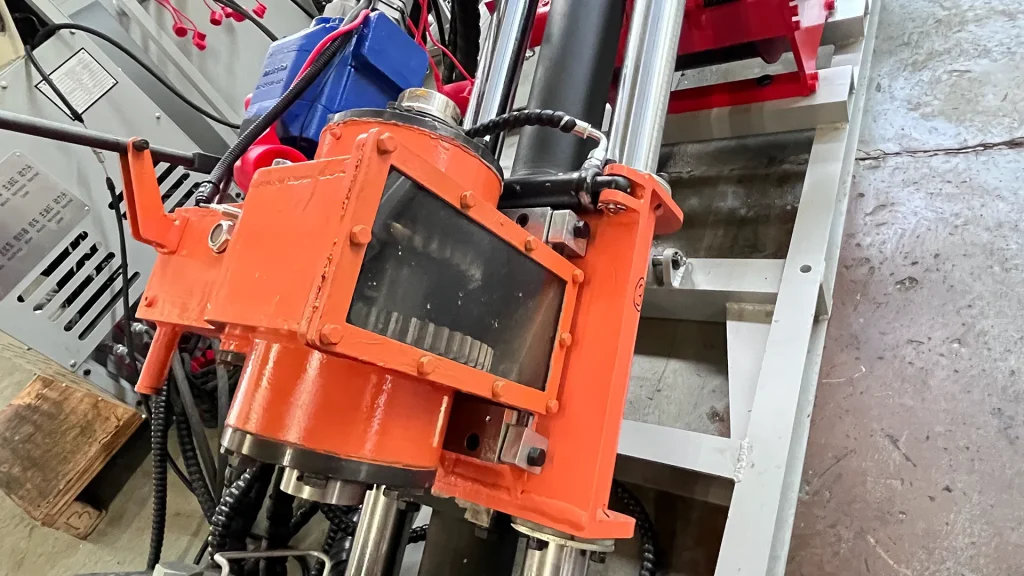
Drilling Depth and Core Recovery Depth capacity tops most lists. For geothermal work, look for rigs rated for at least 800–1000 m in NQ or HQ wireline sizes. Real performance depends on ground conditions, but a solid rig should maintain good penetration rates even as depth increases. The CB1000, for example, handles demanding surface coring operations effectively in these ranges.
Torque and Rotation Power You need strong torque for hard formations common in geothermal zones. Higher torque helps break through without excessive bit wear or stalling. Pay attention to the power head design and hydraulic delivery. Rigs with smooth, adjustable rotation perform better during long runs.
Angle Drilling Flexibility Many geothermal projects require deviated or angled holes to reach specific reservoirs. A rig with good angle capability (from vertical to 45 degrees or more) gives you options. Side-sliding chuck designs, like those on the CB1000, make hole positioning and core retrieval safer and faster at different angles.
Hydraulic System Stability This is where many rigs show their true colors under sustained use. Look for load-sensitive hydraulic systems with quality components—mainstream pumps, motors, and valves. These setups run cooler and deliver consistent power even during long shifts. The CB1000 uses international mainstream hydraulic parts, which helps maintain performance and extends service life in tough field conditions.
Mobility and Site Adaptability Geothermal sites are often remote, hilly, or environmentally sensitive. Crawler-mounted rigs with compact designs and remote control walking functions make relocation much easier. Aluminum alloy masts reduce weight without sacrificing strength, and a shorter overall footprint helps on narrow access roads.
Power Source and Environmental Fit A reliable diesel engine, such as the Cummins 4-cylinder unit on the CB1000, provides consistent power while meeting emission standards. This matters for projects near populated areas or in regions with strict environmental rules.
Here’s a quick reference table of key considerations:
| Spec | Why It Matters for Geothermal | Typical Target for Mid-Size Rigs |
| Depth Capacity | Reaching heat reservoirs | 800–1000 m (NQ/HQ) |
| Torque Output | Cutting through hard rock | High, consistent delivery |
| Angle Range | Targeting specific formations | 0–90° with stable control |
| Hydraulic Reliability | Long shifts without downtime | Load-sensitive, premium valves |
| Mast & Mobility | Remote or rough terrain access | Lightweight aluminum, crawler |
Real-World Performance in Emerging Applications
Think of a heat builder on a fresh town warm-up job. They want a setup for many sloped bores from one base. That cuts green harm. A surface coring rig with firm slant skills and sure fluids lets the group hold steady pace. Even when heat climbs or layers shift, they push on.
In waste spot checks, groups work in tight spots with firm safety steps. Small, far-run setups cut worker risks. They pull top samples too.
The CB1000 stands out here. Its track build and fluid drive let safe shifts near busy areas. The slide chuck drive head quickens sample lifts. A 3200 mm push range cuts rod work time. The tight full form fits steep or slim entry points well.
In practice, these features save hours per hole. Crews move faster overall. That wraps projects ahead of plan. For new apps like carbon hold checks, the CB1000 adapts easy. It handles varied soils without tweaks.
Operational Advantages That Add Up
Beyond raw specs, several design choices improve daily efficiency and safety:
- Nitrogen gas spring chuck clamping for reliable long-term performance.
- Chain double-speed feed mechanism that balances power and weight.
- Load-sensitive hydraulics with imported valve groups for better efficiency and simpler maintenance.
These details matter when your crew works long days in variable weather. Less downtime and smoother operation translate directly into lower cost per meter.
Introducing TDS as Your Drilling Partner
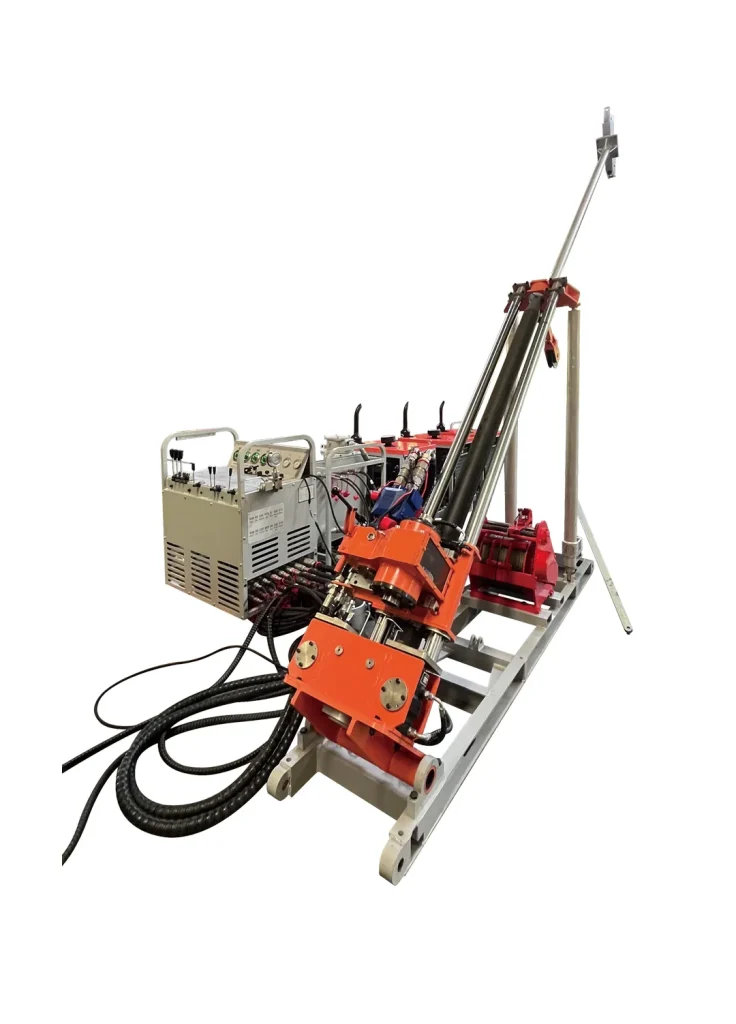
TDS (The Drill Store) serves as a high-performance, reliable supplier of exploration and blasthole drill rigs. With production bases in China and nearly two decades of combined R&D experience, they focus on practical, field-proven equipment. Their surface coring rigs, including the CB1000, combine modern hydraulic technology with rugged designs suited for today’s demanding applications—from geothermal to infrastructure projects. Customers appreciate the balance of capability, mobility, and support that helps projects stay on schedule.
Conclusion
Picking the proper surface coring drilling rig for heat hunts boils down to pairing main features with your true spot setup and job aims. Reach skill, twist, slant ease, fluid steadiness, and move all hold key spots. Gear like the CB1000 shows how smart build, fine parts, useful traits, and firm make deliver output where it hits hard.
The spread of heat and other special bore work means shoppers need sharper leads than before. You take time to check these bits. That skips dear wrong picks and holds runs even.
Set to grab the right setup for your next heat job? Reach the TDS group now. Talk your exact wants. See how the CB1000 or other types can suit your work. The true tool shifts all in output and job money counts.
In the end, good picks pay off big. They speed drills and cut risks. Projects finish strong. Teams stay safe. And costs stay low. That’s the edge in tough fields like geothermal.
FAQs
What depth should I expect from a good surface coring drilling rig in geothermal work?
Most mid-sized rigs like the CB1000 target 800–1000 meters in suitable formations with NQ or HQ wireline. Actual depth varies with rock type, but strong hydraulics help maintain progress as you go deeper.
Why does hydraulic system quality matter so much for surface coring rigs?
Geothermal projects often run long shifts in tough conditions. Premium hydraulic components deliver steady power, run cooler, and need less maintenance, which means fewer breakdowns and better overall productivity.
Can a surface coring drilling rig handle angled holes effectively?
Yes. Models with side-sliding chucks and stable feed systems perform well at angles. This capability is especially useful for geothermal projects that need deviated drilling to reach target zones.
What makes a rig suitable for remote geothermal sites?
Crawler tracks, lightweight aluminum masts, compact design, and remote control features make relocation much easier on rough or narrow terrain. These details save significant time and effort during setup.
How do I choose between different surface coring drilling rig models for my project?
Start with your target depth, site access limitations, and expected ground conditions. Then review torque, feed stroke, and hydraulic specs. Speaking directly with a supplier like TDS helps match the right rig to your needs.
 Arabic
  English
  Portuguese
  Spanish
  Russian
  Italian
  German
  French
  Dutch
Dutch