
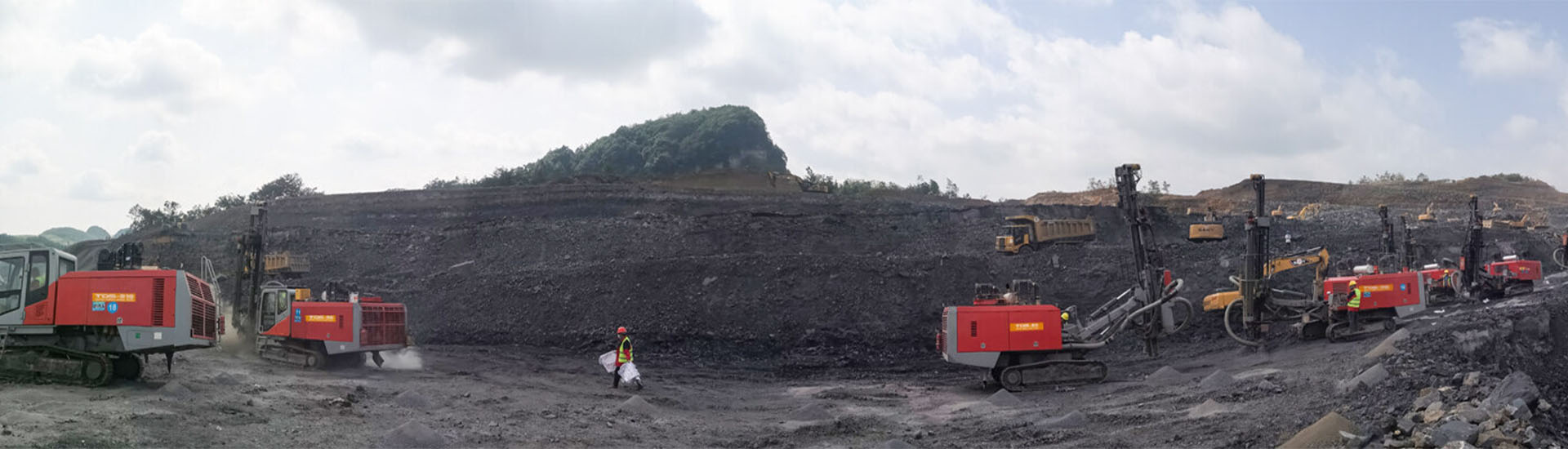
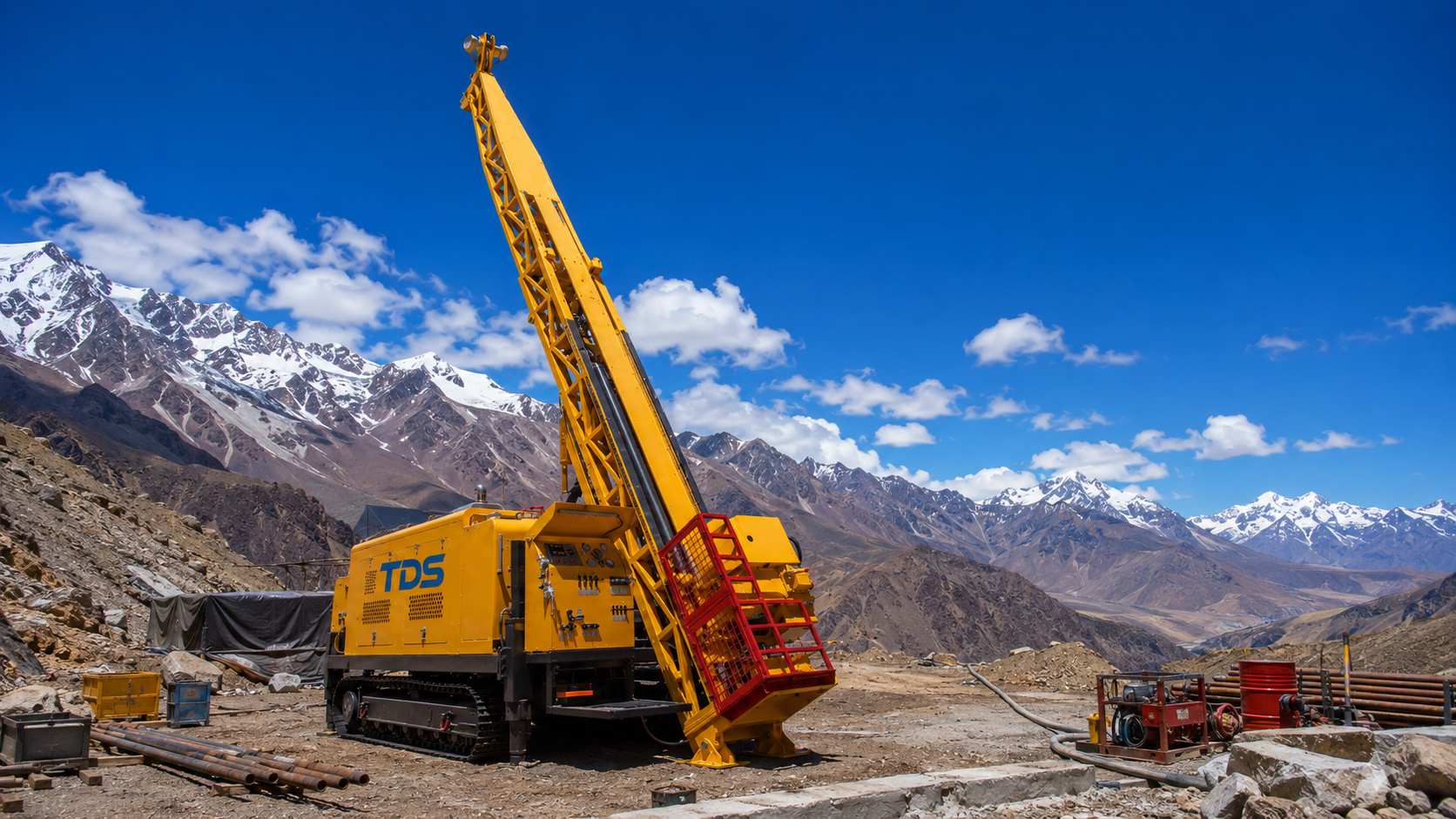
Hydraulic drilling affects hole quality, crew safety, maintenance, delivery time and purchase price for contractors, mine planners, water well teams and site investigation buyers. A hydraulic core drilling rig allows for controlled feed, stable rotation and strong pullback for sampling of rock, drilling of deep holes and production of holes of consistent size. However, the Hydraulic Drilling Rig, Equipment and Applications must also match the conditions at the site, access to the site, the skills of the operator, required documentation and maintenance and service support required.
How does hydraulic drilling solve practical site problems?
Hydraulic drilling uses the power of the fluid for rotation, for feeding, for pullback, for lifting and for movement of the crawlers. This offers a great deal of control but also presents a number of potential maintenance problems with the hoses, the pump, the seals, the filters, the oil and the heat.
What happens during the drilling process?
A typical job starts with site positioning, rig leveling, mast setup, tooling selection, and flushing preparation. The operator controls rotation speed, feed pressure, return flow, and rod handling as the borehole advances. In core drilling, the target is not only to cut rock but also to recover a usable cylindrical sample.
Where does a hydraulic core drilling rig fit?
Hydraulic core drilling rigs are typically used for projects that require core for mineral exploration, geotechnical investigation, slope stability analysis, tunnel design or foundation design. Core drilling is different from DTH drilling which is fast for rock drilling, and water well drilling which centers around large casing and circulation, as opposed to core holes.
Which equipment choices affect performance and jobsite risk?
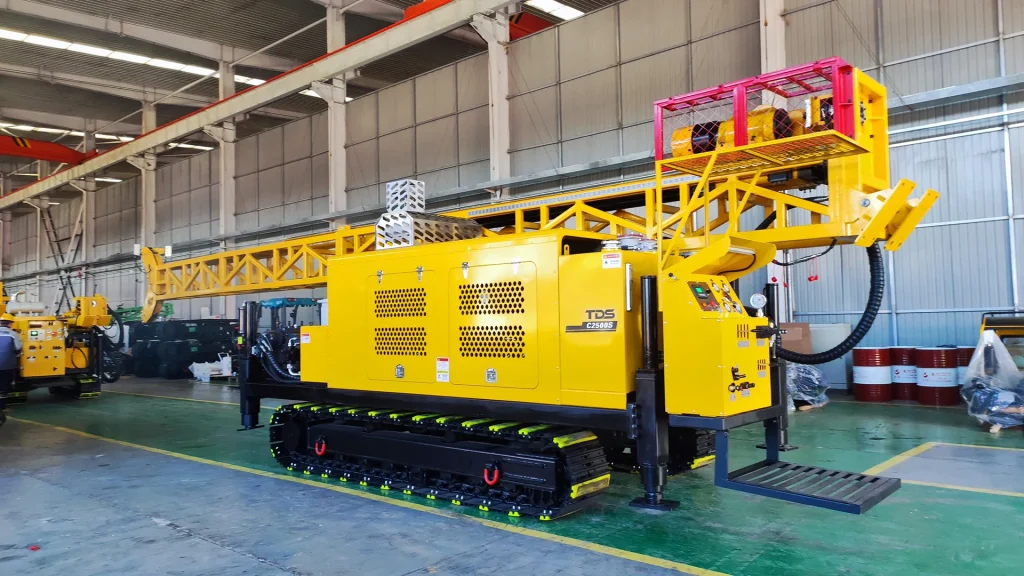
Yes, the rig is important but the results also depend on the rods, bits, core barrels, pumps, compressors, clamps, winches and the stock of spare parts as well as the transport planning. In theory a powerful main machine is sufficient but in practice the downtime caused by a poorly selected “complement” is considerable.
Which specifications should buyers compare first?
When comparing drilling machines, first list the key features, such as drilling depth, hole diameter, torque, drilling speed, feed force, pullback force, mast angle, power unit, footprint and machine weight. Then look at details such as rod compatibility, size of hydraulic pump, control layout, mobility of crawlers, service ability, and availability of spare parts for the buyer’s area.
Before you accept a quotation for drilling a well, it is wise to make a checklist with the main criteria for selecting a supplier for drilling your well. Target depth, expected formations, minimum access width, the slope of the land, a source of water, transport restrictions, the experience of the operators, a plan for spare parts, how equipment will be packed, the manuals for the equipment and how you will be able to contact after sales service. This way you can compare suppliers on more than just price and catalog specifications.
What safety and compliance points need attention?
When making a safety plan for drilling machinery, one should include methods for protection of parts such as guards, and emergency stop methods. In addition, proper rod handling, machine set up for stable operation, proper training for operators, lockout/tagout requirements and a daily check list to ensure all required safety features are in place and functioning properly. OSHA’s 29 CFR 1910.212 general machine guarding rule may be applicable to drilling machinery. There is an international voluntary standard for rock drill rigs and rock reinforcement rigs in mining and earth-moving activities: ISO 18758-2:2018.
Which applications justify a hydraulic drilling rig?
A hydraulic rig can be a very cost effective solution when control, depth, mobility and repeatability are more important than buying for the lowest price. There are times when a crew needs samples, open holes, blasting holes or access to water and a hydraulic rig can be the best choice for each of these situations.
When is hydraulic core drilling the right method?
Core drilling, utilizing hydraulic core drilling, is utilized for both mineral exploration and geotechnical projects as recovered core provides invaluable information regarding the rock’s structure, any present fractures, weathering and material changes etc. Wireline core drilling also allows for a reduction in time spent retrieving core by not having to pull the entire drill string each time. This has great benefits when drilling deep holes.
When should buyers choose another drilling method?
A DTH or top hammer for fast hole for blasting and a water well drilling rig for domestic water, irrigation and geothermal for access. Casing, diameter and circulation requirements are too different for one rig to be cost effective for all these applications.
How should buyers compare cost, maintenance, and supplier support?
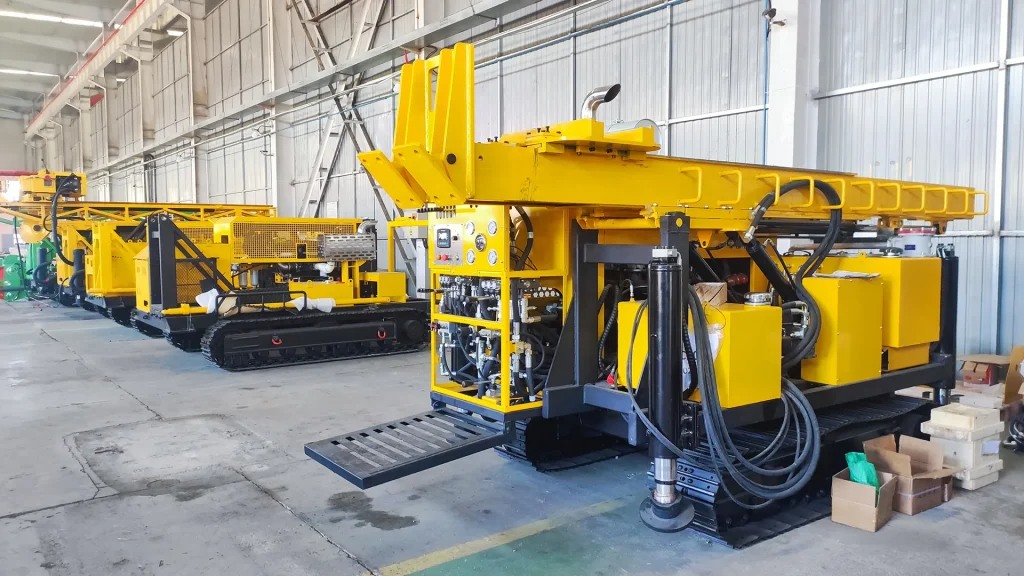
There’s more to owning a hydraulic system than the initial purchase price. Using clean oil, replacing filters, checking hoses for wear and replacing seals as required, servicing the cooling system and generally ensuring that the system is stored in a dry, clean environment are all essential for ensuring optimum performance. Of course, there are also the consumables and the down time to consider in working out a true project budget.
What cost factors are often missed?
Often overlooked costs on a drilling tender are the cost of bits, rods, core barrels, pumps, drilling lubricants and filters, plus freight to site, customs duty where applicable, spare hydraulic parts, operators training and most importantly the cost of idle time to repair a drilling machine to get back on production quickly. A very low initial tender price may end up costing a lot of money in the long run when hard to find drilling consumables are needed, or when a machine is very difficult to repair.
How should a supplier be evaluated?
A practical supplier review should cover product range, technical communication, model selection advice, documentation, inspection photos, packing method, warranty terms, spare parts supply, and response time. Distributors may also need private branding, regional support, training materials, and reorder consistency.
How can TDS support geotechnical drilling equipment buyers?
TDS, The Drill Store, is a supplier of drilling equipment, specializing in core drilling rigs, DTH drilling rigs, water well drilling rigs, top hammer drilling rigs, air compressors, rock tools, kits and consumables. The company supports the mining and water well drilling fields, and geotechnical drilling equipment is one of the product areas they specialize in. For buyers looking at hydraulic core drilling rigs or Hydraulic Drilling Rig, Equipment, and Applications related information, this type of supplier can assist with model selection, tooling selection, consumables and project discussion. As always buyers should compare specifications, documents, pricing, delivery terms, local service and support and availability of spare parts before placing an order.
Conclusion
A hydraulic core drilling rig can be used for controlled drilling, for retrieving samples and for practical soil investigation, provided that the rig is properly matched to the application. Choosing a good hydraulic core drilling rig starts with selecting the right ground conditions, the right target depth, the right amount of access to the site, the right tools and the right maintenance. When choosing a rig, one should compare the hydraulic power, the stability of the rig, the compatibility with cores of different diameters, the safety features, the documentation and the service support from the supplier, and not just the price. Hydraulic drilling can be a good investment if the loss of time, the poor quality of the samples or the use of wrong equipment for drilling core samples would cost more than buying a well specified hydraulic core drilling rig. By selecting the rig carefully before it is delivered to the contractor and the owner can avoid increasing the risk of failure of the project.
FAQs
1. Is a hydraulic core drilling rig suitable for small geotechnical jobs?
Yes. For sites requiring controlled coring, rock core, or limited access drilling, controlled drilling is generally the most cost effective method for holes of shallow to moderate depth. For very shallow and simple holes, a smaller drilling unit or another alternative method may often be cost effective.
2. What equipment should be ordered with a Hydraulic Drilling Rig?
A plan for rods, bits, core barrels, pumps, hoses, filters, clamps, winch parts, lubricants and wear items would be useful to avoid the delay of the first job for want of consumables.
3. Which applications need core recovery most?
Core recovery is often required for mineral exploration, foundation investigation, for excavations such as tunnels, slopes and dams, and for determining rock quality.
4. How often should hydraulic drilling equipment be maintained?
Refer to your manual for proper maintenance however prior to going out for a shift and after returning from a drilling shift make sure to inspect the following items for your components; hoses, leaks, filters, oil level, clamps, fasteners and any moving parts.
5. What should buyers ask before choosing a supplier?
Model fit? Tooling fit? Spare parts availability? Docs? Inspection reports? Packaging? Lead time? Warranty? Training? After sales communications?
 German
  English
  Portuguese
  Spanish
  Russian
  Italian
  French
  Dutch
Dutch  Arabic