
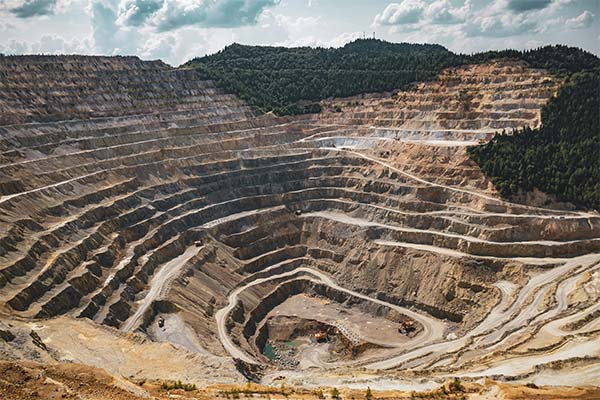
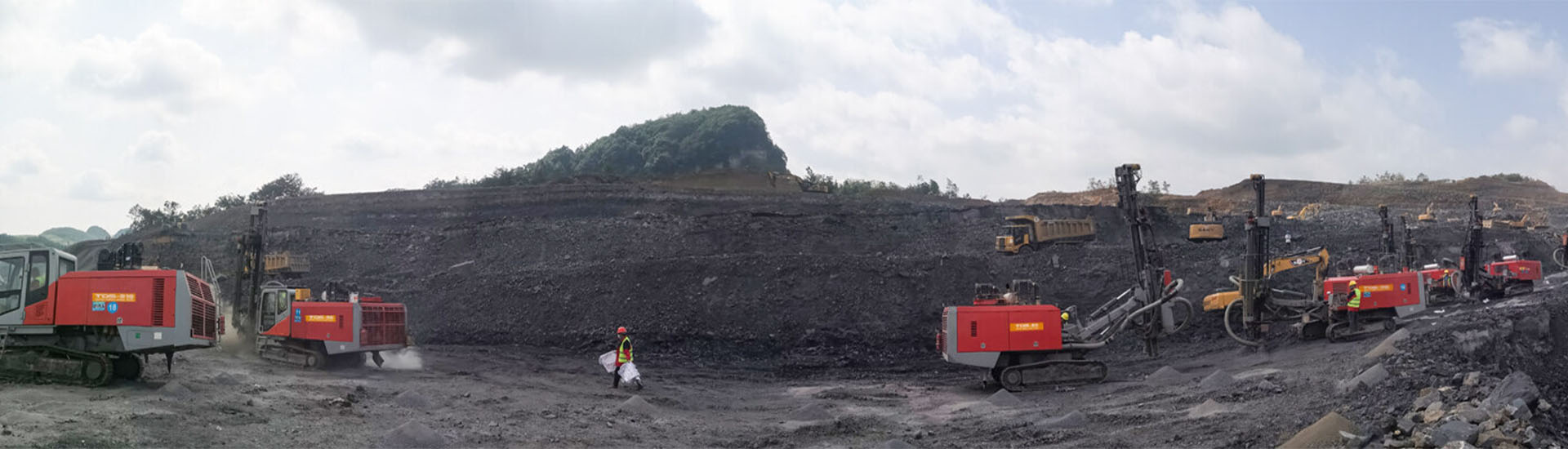
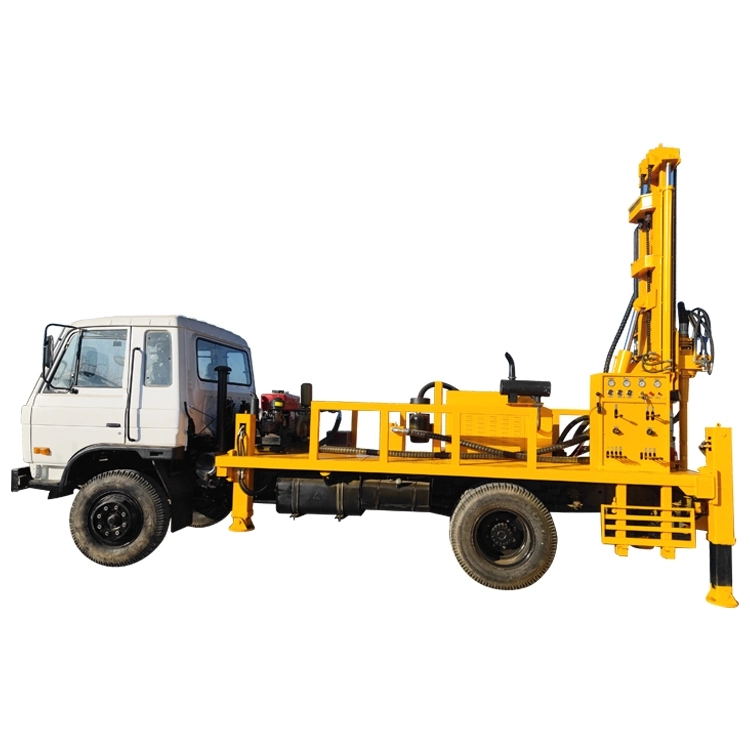
Imagine a crew dragging equipment up a tight, twisting mountain road at 8,000 feet. The ground underneath is pure granite. One bad step and the whole schedule falls apart. Drilling water wells in places like this isn’t just slow. It burns cash fast. Fuel runs out quicker. Bits wear down sooner. Labor hours stack up. Downtime hurts even more. That’s exactly why the right machine changes everything. A TDS Vehicle-mounted water well drilling rig handles those rough spots smoothly. It drives itself in. It cuts through solid rock steadily. And it keeps working where other setups simply stop.
Folks who drill in steep, rocky country already get it. Machines built for soft dirt give up early. Units that need a separate truck often get stuck before they even start. The answer isn’t complicated. It begins with knowing exactly what hard rock really demands from your gear.
The Tough Realities of Mountain Drilling
Mountain sites hit you with three major headaches right away. Access comes first. The so-called roads are barely there. You dodge big loose rocks, fresh mud slides, and steep drops of 20 degrees or more. Trying to tow a drill behind a truck turns a short drive into a full-day battle. One wrong slide and you’re waiting on a tow truck—or worse.
Next is the rock. Granite, basalt, quartzite—they don’t play nice. Drilling speed crashes. What might take an hour in loose soil stretches into half a day or longer. Bits dull fast. You pause often to swap them out. Every stop eats into profits with extra parts and idle crew time.
Then the extra costs creep in quietly. Fuel gets gulped down under heavy load. Overtime pay kicks in. Special permits for heavy hauls add up. Before you know it, a 300-meter well that should cost around $25,000 climbs past $40,000. That isn’t made-up math. It’s the real number crews see again and again on high-country jobs.
Why Hydraulic Power Makes All the Difference
Hydraulic setups really shine in tough ground. They give you smooth, steady torque. No wild jumps that snap drill rods in brittle layers. You tweak speed and pressure right away to match whatever the rock throws at you. Fewer breakdowns happen. Holes go deeper faster.
These rigs also stay cooler even when pushed hard. Thin mountain air makes engines sweat, but hydraulics keep things running even. And because everything rides together—no extra power unit to wrestle uphill—the whole package feels simpler and safer.
Essential Factors to Consider When Selecting Your Drill
Choosing the proper hydraulic water well drill means lining up the specs with the actual job. Ignore the key points and you pay the price later. Here’s what really counts out there:
- All-terrain mobility– The rig has to drive itself to the hole. No trailers. No second truck needed.
- Drilling depth range– Mountain water tables often sit between 400 and 800 meters deep. Anything shorter leaves you high and dry.
- Hole diameter flexibility– You want slim 90 mm exploration holes one day and wide 800 mm production wells the next—all on the same machine.
- Torque and lift capacity– At least 10,000 Nm to grind through tough rock, plus strong winches for quick, safe rod handling.
- Mast height and setup speed– Tall enough for smooth pipe changes but quick to raise, even on uneven ground.
- Engine options– Enough power choices so you match the job without wasting fuel on overbuilt engines.
Here’s a simple side-by-side look at what separates good rigs from great ones in the mountains:
| Feature | Why It Matters in Mountains | Typical Requirement |
| Vehicle-mounted chassis | Self-propelled on steep, rough roads | All-terrain drive system |
| Depth capacity | Reaches deep aquifers without multiple rigs | 600–1000 m |
| Max torque | Powers through hard strata | 10,000–20,000 Nm |
| Hole diameter range | Handles irrigation or domestic wells | 90–800 mm |
| Self-loading capability | Cuts setup time in tight spaces | Integrated winch |
Nail those features and your crew stays busy instead of waiting around.
A Closer Look at the TDS Vehicle-mounted Water Well Drilling Rig
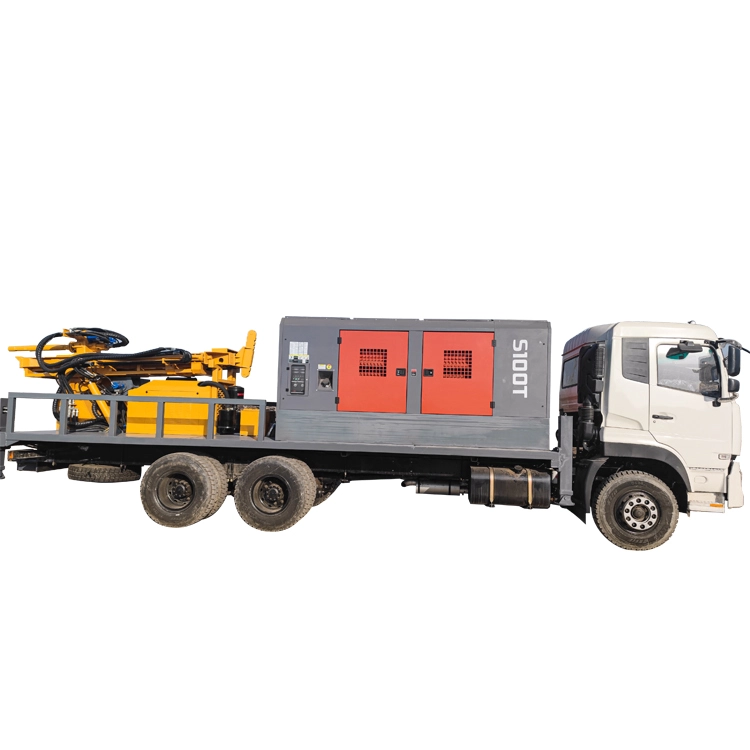
This rig was made for jobs exactly like these. The TDS Vehicle-mounted water well drilling rig rolls right up under its own power—even on trails that scare off regular trucks. Depth goes anywhere from 180 m up to 1000 m, depending on the model: TDS300T, TDS500T, TDS800T, and so on. Hole sizes run from tiny 90 mm test bores all the way to big 800 mm wells. One machine covers test work today and full-scale irrigation tomorrow.
Torque climbs as high as 20,000 Nm. That kind of pull keeps the bit chewing steadily when the rock pushes back hard. Lifting power reaches 52 tons on the bigger units, so rod trips stay quick and safe. Mast heights range between 3.3 m and 6.6 m—tall enough for efficient handling but not so tall it tips on slopes.
The hydraulic heart is what stands out most. Operators dial in pressure and rotation speed exactly as needed. No guesswork involved. The built-in self-loading setup lets one person manage pipe and tools without calling for extra help or cranes. Engine lineup includes Yunnei, Yuchai, or Cummins—power from 55 kW all the way to 264 kW. Fuel use stays reasonable even up high where air gets thin.
Real crews tell the best stories. One group working at high elevation wrapped a 650 m well in just 12 days instead of the usual 18. They drove straight to the spot, set up in less than an hour, and never lost time waiting on transport. Bits held up longer too—the smooth hydraulics cut down vibration a lot. That kind of performance turns tight margins into solid profit.
Tips for Maximizing Efficiency with Your Chosen Rig
Run the rig smart and it pays you back shift after shift. Keep hydraulic fluid clean—mountain dust finds its way in quick. Pick the right bit for the rock: button bits chew hard stuff best, drag bits work well in mixed layers. Swap rods before they’re completely worn instead of after they snap. And always walk the last 100 meters before driving in. Five minutes on foot can save hours of stuck time later.
Why TDS Delivers High-Performance Drilling Solutions
TDS stands as a high-performance, reliable exploration and blasthole drill rigs supplier with manufacturing bases in Hebei and Zhejiang. Backed by nearly two decades of focused R&D experience, the company delivers turnkey solutions that include equipment, tools, and full support. Their water well rigs, like the vehicle-mounted series, carry the same quality DNA that has made TDS a trusted name in mines and exploration projects worldwide.
Conclusion
Mountain drilling stays tough. The rock ignores your schedule. The ground gives no free passes. Still, the right hydraulic water well drill shifts the odds in your favor. It hands you mobility, raw power, and real durability exactly where you need them. Choose a rig built specifically for these brutal conditions and you stop wasting time fighting the job. You start finishing it on time and with money left over. The TDS Vehicle-mounted water well drilling rig shows that clever design beats raw muscle every single day.
FAQs
What makes the TDS Vehicle-mounted water well drilling rig a strong choice for rocky mountain work?
Its all-terrain drive, self-loading system, and torque up to 20,000 Nm let it reach sites and power through hard strata without extra equipment. Depths hit 1000 m, so most mountain aquifers stay within reach.
How deep can the TDS Vehicle-mounted water well drilling rig actually go in hard rock?
Models range from 180 m to 1000 m depending on the formation and bit choice. In granite or basalt, crews regularly push past 600 m with consistent performance.
Does the vehicle-mounted design really save time on mountain jobs?
Absolutely. No separate truck or trailer means you drive straight to the pad, unload with the built-in system, and start drilling the same day. That alone shaves days off many high-country projects.
What hole sizes does the TDS Vehicle-mounted water well drilling rig handle?
From 90 mm test holes all the way to 800 mm production wells. One rig covers everything from domestic water to large irrigation projects.
Is the TDS Vehicle-mounted water well drilling rig built for long-term use in tough conditions?
Yes. The hydraulic system, heavy-duty mast, and proven components are designed for daily rock work. Worldwide operators report years of reliable service with basic maintenance.
 German
  English
  Portuguese
  Spanish
  Russian
  Italian
  French
  Dutch
Dutch  Arabic