
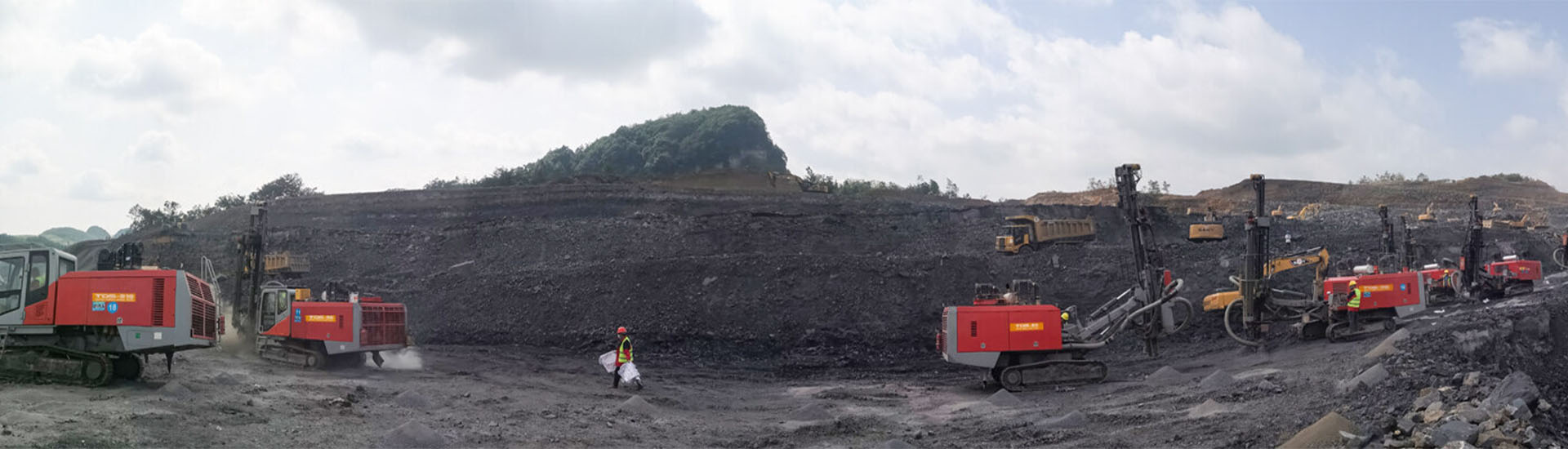
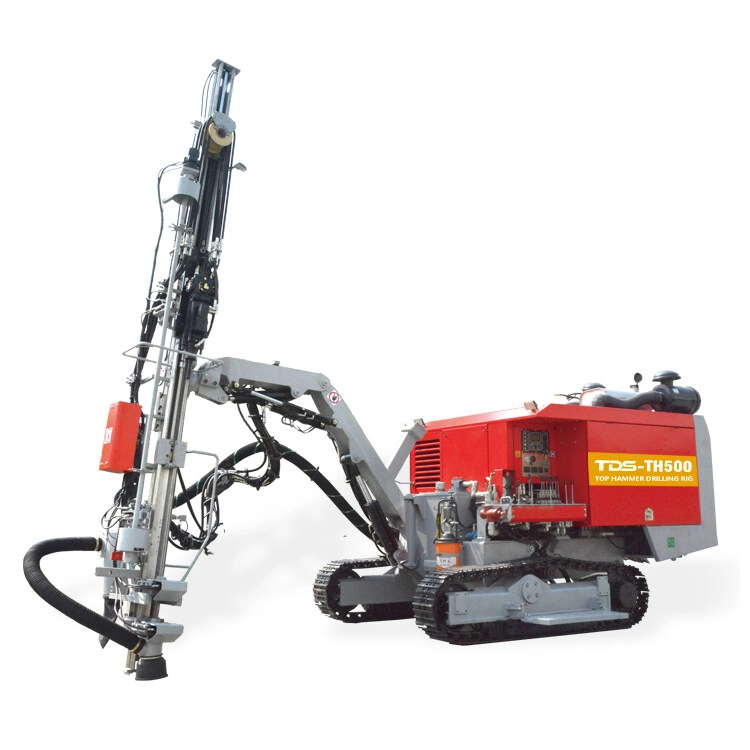
In surface mining, quarrying, and construction work, success with your drilling often depends on the tools you use with the rig. A top hammer drilling rig gives quick penetration in holes of medium depth. Yet its true power shows only when you pair it with the right consumables. Sharp drill bits that last longer, strong rods that resist bending, solid shank adapters that pass energy smoothly, and tight couplings that stay firm under heavy shaking — these parts decide whether your day runs smooth or ends with expensive stops.
Many operators in hard rock areas know the frustration too well. You begin a shift with fresh tools. Then you watch the bit buttons wear flat after just a few hundred meters. Or the threads on the rods suddenly strip. Every extra minute of downtime adds up fast. Your crew waits around. The whole project schedule falls behind. That is exactly why it pays to understand each component and how they work together on a top hammer drilling rig.
What Is Top Hammer Drilling and Why Tools Matter
Top hammer drilling sends percussive force from the rock drill mounted on the rig straight to the bit. The impact travels down the rod string while the bit rotates. This method breaks rock effectively in holes from 60 to 115 mm wide. Depths usually reach up to 30 meters or more, depending on the ground.
The hammer sits at the top of the rig. This setup delivers excellent energy transfer for shorter and medium holes. But the same strong force can wear out poor or mismatched tools very fast. Take a busy open-pit quarry as an example. One rig may need to complete hundreds of blast holes every day. If your bits dull too soon or rods start whipping around, the holes lose straightness. Blasting becomes uneven. Overall output drops sharply.
Good tools keep the rig working at full speed. They absorb shock well. They hold proper alignment. They fight fatigue. As a result, crews spend less time swapping parts and more time actually drilling.
Breaking It Down: Key Top Hammer Drilling Tools
Let’s examine the main components — drill bits, rods, shank adapters, and couplings — and see what really counts in daily operations.
Drill Bits: The Cutting Edge That Takes the Beating
Drill bits receive the hardest punishment. Button bits are the most common choice in top hammer work. Their tungsten carbide inserts handle tough rock much better than older cross or X-bits in many situations.
- Button shape matters a lot. Hemispherical buttons hold up longer in hard and rough rock. Ballistic buttons cut faster in softer or medium ground, yet they wear out sooner.
- Face style also plays a role. Flat-face bits offer steady performance and straighter holes in even rock. Drop-center bits improve flushing when the ground is broken or fractured.
In real use, a 76 mm bit on a top hammer drilling rig can often drill 400 to 600 meters in medium-hard granite before it needs regrinding. The exact distance depends on how rough the rock is and the air pressure you run. Push any bit too far and you risk broken buttons or a cracked body. Then you must pull the string early. Picking bits that suit your rock type and the rig’s impact power saves real money over weeks and months.
Drill Rods: Keeping the Energy Straight
Rods carry both rotation and percussion from the rock drill down to the bit. They usually come in lengths of 3.66 m or 4.27 m. Common thread styles include R32, T38, T45, or T51.
Larger rod diameters and better steel quality help them resist bending and cracking. During a long production shift in a quarry, drilling 89 mm holes, weak rods can start to whip at greater depths. This causes deviation and quick thread damage. Strong rods with well-treated threads keep better hole alignment. That means more accurate blast patterns and less extra work breaking oversized rock later.
Shank Adapters: The Critical Link
The shank adapter joins the rock drill piston to the first rod. It absorbs every single blow, so even tiny flaws here waste energy or cause bigger problems.
A solid shank adapter features precise splines and a hardened shank that fits your rig’s rock drill perfectly. A loose fit wastes impact power and creates extra vibration that shakes the entire string. In demanding spots like high mountain mines with freezing mornings, a quality adapter keeps performance steady without constant tweaks.
Couplings: Holding Everything Together
Couplings connect one rod to the next. They look simple, but a worn or wrong coupling creates slack in the string. This leads to thread damage and lost energy.
Full-bridge couplings give stronger support and last longer than half-bridge ones during heavy work. Many crews notice the difference after several shifts: fewer rod changes and much smoother drilling overall.
Here’s a quick comparison of common tool specifications for a typical 76–89 mm hole range on a top hammer drilling rig:
| Component | Common Sizes | Key Benefit | Typical Wear Issue |
| Drill Bits | 64–102 mm | Fast penetration & straight holes | Button flattening, body cracking |
| Drill Rods | T38, T45, T51 | Energy transmission & rigidity | Thread stripping, bending |
| Shank Adapters | Matches rock drill | Efficient impact transfer | Spline wear, energy loss |
| Couplings | R32–T51 | Strong rod connection | Galling, loosening under vibration |
How Incompatible Tools Create Costly Downtime
Imagine this scene in a limestone quarry. A crew tries cheaper rods from a new supplier. Within just two days, threads start failing after only 200 meters. The operator loses nearly an hour every shift changing rods. Hole deviation increases by almost 2 percent. That leads to uneven rock breakage, higher explosive costs, and extra time for loaders.
Early wear does more than slow you down. It raises the real cost per meter drilled. When every tool matches well with your top hammer drilling rig, you enjoy steadier penetration rates, fewer jams, and longer gaps between part changes.
Getting the Most from Your Tool Investment
Begin by matching tool sizes and thread types exactly to your rig’s rock drill and the hole diameter you plan to drill. For rigs working in the 60–90 mm range, T45 or T51 systems usually offer the best mix of strength and good flushing.
Keep proper lubrication and enough flushing pressure. Clean water or foam carries cuttings away and cools the bit. This simple step can double bit life in rough rock. Check thread condition every shift. Re-grease couplings often.
Experienced crews also keep a small stock of spare bits and one extra rod string on site. That way, a single failure does not stop the entire operation.
Introducing TDS – Your Partner for High-Performance Drilling Solutions
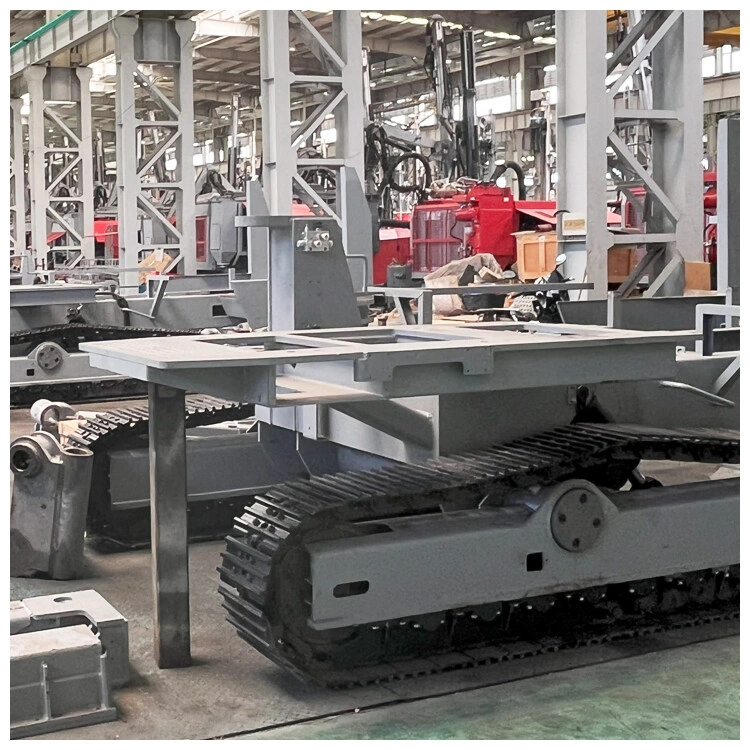
TDS has earned solid trust over nearly twenty years of steady work in drilling equipment. The company focuses on high-performance and reliable exploration and blasthole drill rigs for customers worldwide.
Their full-hydraulic top hammer drilling rigs, including the TDS-TH500 with a 60–90 mm drilling range, are built tough for demanding surface jobs. These rigs work naturally with a full line of rock tools and consumables. Operators get everything they need in one well-matched package. From crawler-mounted rigs that move easily around quarries to the supporting drill bits, rods, and adapters, TDS delivers practical performance that reduces headaches and keeps projects on track.
Conclusion
Picking the right drill bits, rods, shank adapters, and couplings for your top hammer drilling rig goes beyond simply buying parts. It means building a complete system that delivers steady results shift after shift. When the tools match both the rig and the rock, you cut downtime, improve hole quality, and lower the true cost of every meter you drill. For operations that need dependable equipment in mining, quarrying, or construction, teaming up with an experienced supplier changes everything.
FAQs
What is a top hammer drilling rig and when is it the best choice?
Ein top hammer drilling rig uses percussive impact from the drill mounted on the boom to drive the bit through rock. It works especially well for holes between 60 and 115 mm wide and medium depths in quarries, open-pit mines, and construction sites where speed and easy movement matter most.
Which top hammer drilling tools wear out fastest and why?
Drill bits usually wear first because they take the direct impact and scraping from the rock. In very rough ground, buttons can flatten quickly. Rod threads and couplings also suffer when alignment or lubrication is not right. This leads to damage and early replacement.
How do I know if my shank adapter needs replacing on a top hammer drilling rig?
Look for visible spline wear, weaker impact feel at the bit, or extra vibration. A loose or worn adapter wastes energy and can harm the rock drill piston over time. Regular checks while greasing help catch issues early.
Can the same tools work across different top hammer drilling rigs?
They can only if the thread type, rod diameter, and shank size match the rock drill exactly. Using mismatched parts often causes poor energy transfer, faster wear, and drilling troubles. Always confirm compatibility with your specific rig model.
What maintenance keeps top hammer drilling tools lasting longer?
Keep threads clean and well greased. Maintain strong flushing to clear cuttings. Regrind bits before they lose too much gauge. Rotating rods evenly in the string also helps prevent one-sided wear and extends overall life.
 German
  English
  Portuguese
  Spanish
  Russian
  Italian
  French
  Dutch
Dutch  Arabic