
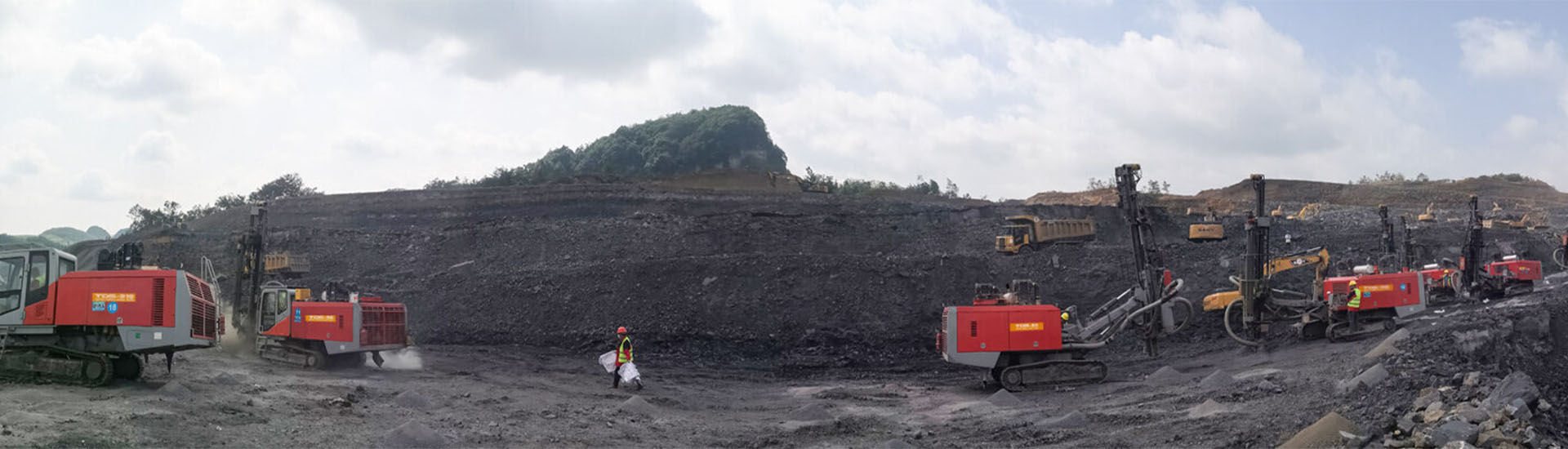
A low-priced DTH drilling rig quotation often conceals costly missing items. A machine built for the correct hole diameter might still show up with the wrong hammer. It could also lack proper air delivery or vital spare wear parts. Quarry and infrastructure buyers face a very practical job. They need to match full drilling packages with the actual holes their teams drill daily. This guide looks at 90–150 mm surface blast holes as a practical example. It translates diameter, depth, rock, and site details into a clear request for quotation (RFQ). Suppliers can then answer this RFQ accurately. The main objective is not just picking the largest rig. Instead, buyers want to buy equipment that completes the required holes reliably.
Which Project Details Should Be Fixed Before Asking for a DTH Rig Price?
Before circulating an RFQ, write down what a normal shift involves. Include the holes drilled most often and the time available to drill them. A quotation based on an occasional large hole may give you a different machine from one chosen for the daily workload.
Record the Working Hole, Not Only the Maximum
Write the usual diameter and largest diameter on separate lines, followed by average depth, angle, bench height, and overdrill allowance. The supplier also needs meters per shift. Include the access width and altitude in a quarry DTH drilling rig enquiry. Where the ground varies, describe the individual zones; otherwise, the quotation may be based on a rock description that applies to only part of the site.
How Do Smaller and Larger DTH Hole Packages Compare?
Moving from one hole size to another can involve replacing more than the bit. The hammer may change, bringing its own air requirement and rod arrangement. Keep those components visible in the comparison, particularly when two offers appear to cover the same diameter range.
Use Reference Models as a Starting Point, Not a Promise
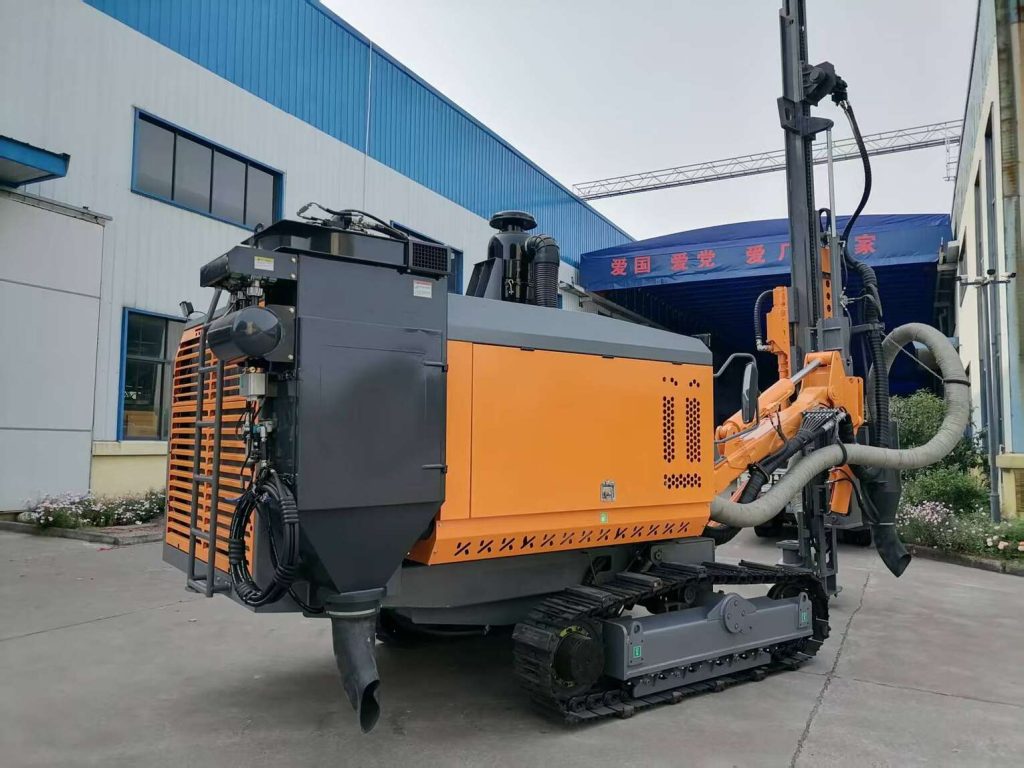
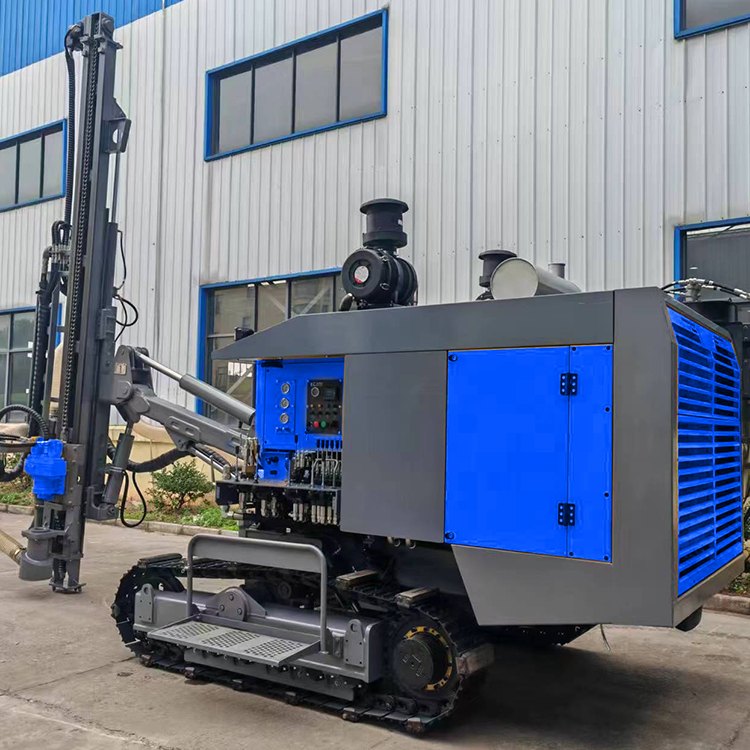
The two KY-series configurations below give a reference for the smaller and larger hole groups. They are included to help frame the enquiry; neither row establishes the specification of a TDS sales model.
|
Industry reference class |
Nominal hole range |
Economic depth |
Nominal reference air package |
|---|---|---|---|
|
KYLC843-class integrated rig (industry reference) |
90–120 mm |
30 m |
12 m³/min; 15 bar |
|
KYLC847-class integrated rig (industry reference) |
115–150 mm |
30 m |
15 m³/min; 20 bar |
Table note: These are industry reference classes, based on KYLC843 and KYLC847 reference sheets. TDS quotations use the current sales sheet for the machine offered. The depth column describes economic drilling depth; the air column gives nominal package ratings. Buyers comparing the TDS 843 Full Hydraulic DTH Drilling Rig and TDS-847 Full Hydraulic DTH Drilling Rig should obtain their current specifications before treating these reference numbers as order requirements.
The hammer belongs in this comparison too. As a rough starting point, 90–120 mm holes commonly fall within 3-inch or 4-inch hammer classes; 115–150 mm holes commonly involve 4-inch or 5-inch classes. There is overlap. The supplier still has to name the hammer and confirm its bit range, shank, and air demand for your chosen diameter.
Check Depth Together With Rod Handling
The word economic matters in the 30 m entry. It describes a working reference, so it cannot be used as proof of the maximum depth. For deeper holes, find out how the extra rods will be handled and whether there is enough air margin. Magazine capacity and rod length are useful details here. Feed stroke, pullback, and the available rotation torque also need checking before accepting the deeper-hole proposal.
What Rock Conditions Could Change the Final Equipment Choice?
The rock description needs more than a hardness label. Broken ground, abrasive bands, and water can occur within the same site. If those conditions are present, put them in the enquiry alongside the hole diameter.
Ask for Drilling Evidence From Similar Ground
Existing drilling records give a supplier something concrete to work with. For a medium hard rock DTH blasting rig enquiry, attach penetration times and bit-consumption records if available. Note where tools have become stuck and identify the bit face and button style used there. Then have the supplier explain the changes proposed for those particular zones. A single configuration should not be assumed suitable throughout the quarry.
Which Compressor, Tooling and Dust-Control Items Belong in the Package?
Compressed air has two jobs in DTH drilling: operating the hammer and clearing the hole. Both have to be covered by the package being quoted. A compressor model number, on its own, leaves the buyer without that confirmation.
Verify the Working Combination, Not Separate Brochure Peaks
In the reference table, 15 bar and 20 bar describe the nominal air packages. Neither figure tells you what pressure will reach the hammer. Start the supply check at the collar, allowing for losses through the hose. Then have the supplier account for the pipe bore, hole dimensions, depth, and site altitude. The answer you need is the air output available at the working pressure of the actual hammer offered.
Look at the air compressors together with the DTH drilling tools. The quotation should identify the connections and hoses between them, plus lubrication and the initial spares. Include the dust collector in this check. It is also worth finding out how the crew will reach filters and other items that need daily attention.
What Should a Comparable DTH Drilling Rig RFQ Include?
Check the equipment list before the price. Is the compressor included? What about the dust collector and rods? Until these questions have answers, a package price and a bare-rig price tell you very little about which offer costs less to put into work.
Request an Itemized Package and Clearly Mark Exclusions
Use a line for each quoted component: rig, hammer, bit, rods, and compressor. Against these, record the hole range and intended depth, feed stroke and torque, and air output at the stated working pressure. Transport dimensions and shipping weight belong in the offer as well. Hoses, couplings, filters, and wear parts need either a price or an explicit statement that they are included.
Leave space for the commercial details that often sit outside the equipment table. These include commissioning and training, warranty conditions, delivery, and arrangements for repairs. Any optional service should be marked accordingly. The quarry DTH rig selection guide covers the site and drilling conditions that feed into this quotation.
Where Can Buyers Source a Matched Hydraulic DTH Rig Package?
For buyers approaching Beijing The Drill Store Machinery Equipment Co., Ltd. (TDS), the full hydraulic DTH drilling rig range provides the model pages to start from. TDS also lists air compressors and rock-drilling tools. Send the drilling summary with the enquiry so that the response can address the rig and its supporting equipment together. Request the current sales sheet for whichever configuration is offered.
Conclusion
The useful comparison is between packages that can carry out the same drilling work. Begin with the routine holes, allow for the difficult zones, and keep the hammer and air specification in view. The order should refer to the offered machine’s sales sheet, with a clear record of what the quoted price includes.
FAQs
1. Is a 90–120 mm rig suitable for every 120 mm blast hole?
The diameter fits the advertised range, but that is only the first check. The depth and formation still have to be considered with the hammer, feed and pullback capability, and available air. Put those conditions to the supplier before accepting the quoted configuration.
2. Can a deeper-rated DTH rig always drill faster?
No. Time spent changing rods and moving between holes affects shift output, as do the ground and hammer performance. A deeper rating gives no drilling-speed comparison unless those working conditions are also specified.
3. What is the minimum information needed for an accurate DTH rig quotation?
Give the supplier the routine hole size, largest hole, target depths, angles, and rock description. Add altitude and the daily drilling requirement. If a compressor is already on site, include its details; if the access route limits transport, describe that restriction too. Those details allow a much more specific response than a request for a rig price alone.
 French
 English
 Portuguese
 Spanish
 Russian
 Italian
 German
 Dutch
 Arabic