
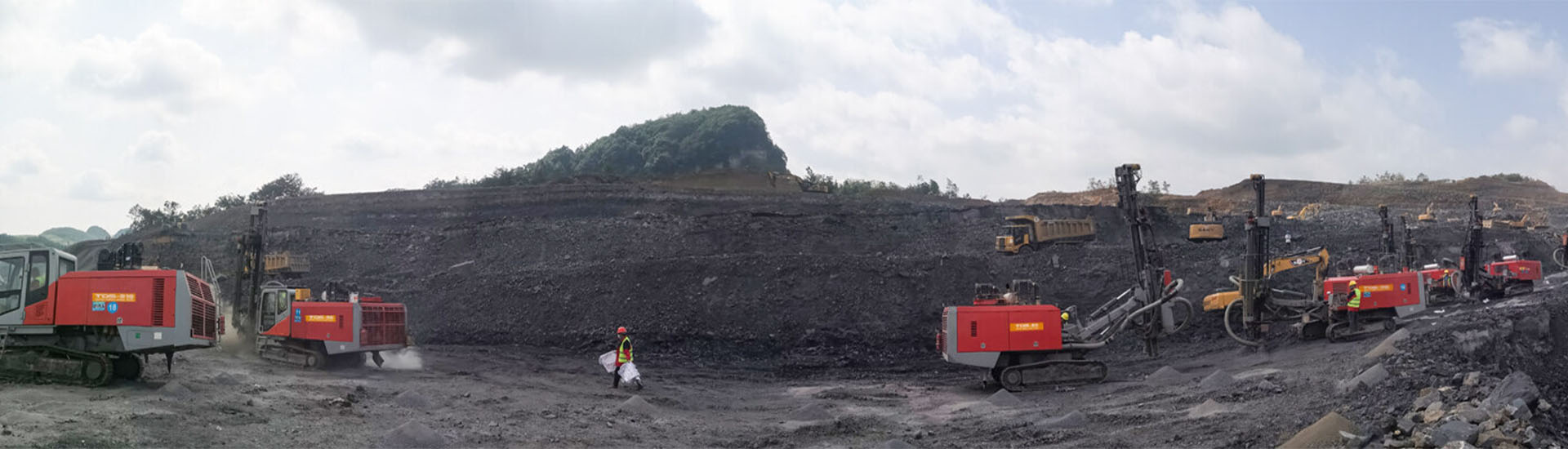
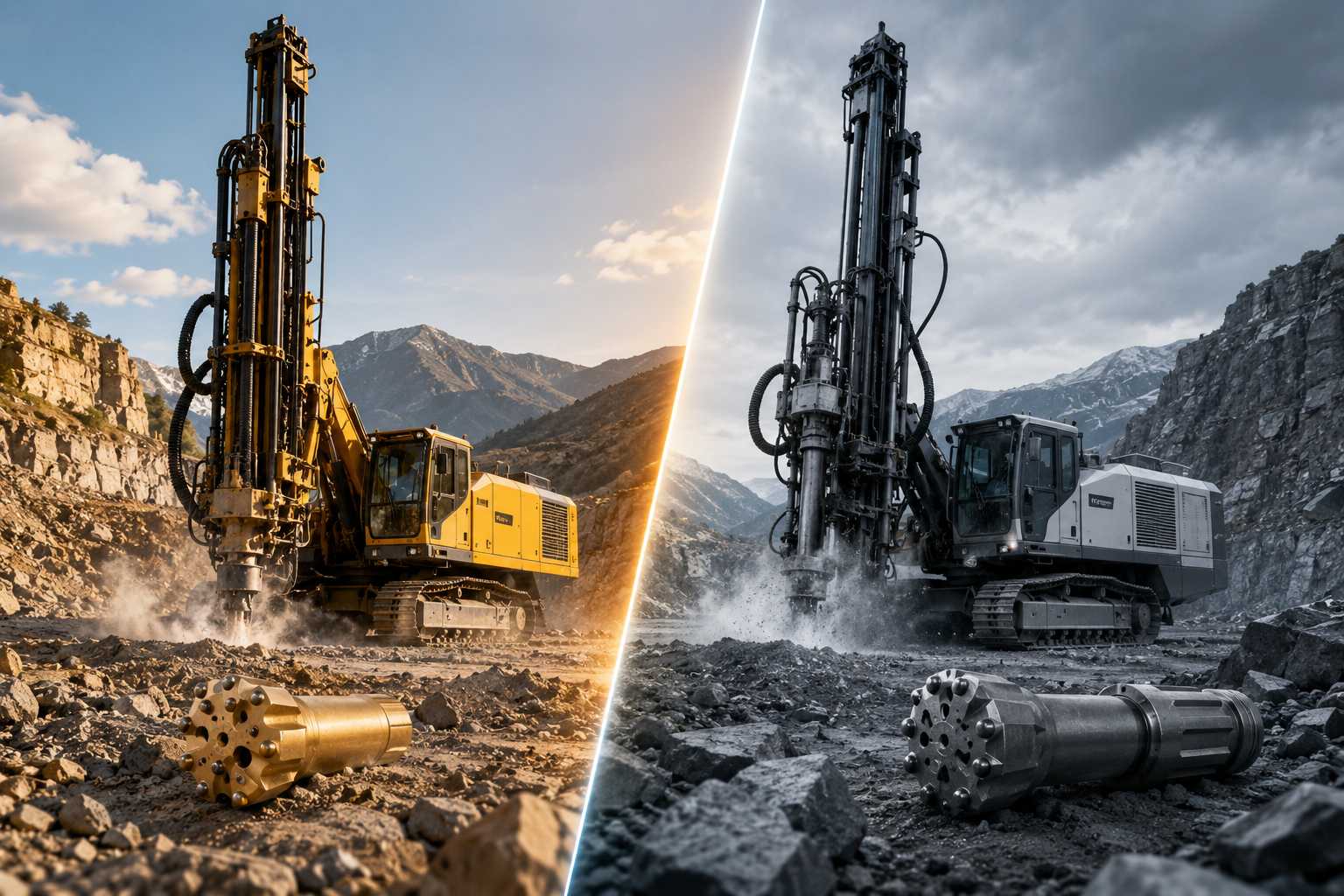
Whether DTH or top hammer drilling is better for mining contractors, quarry operators, geotechnical investigation companies and those purchasing drilling equipment for large scale drilling operations, depends on a number of parameters such as hole quality, fuel consumption, air demand, tool life, operator skills, maintenance as well as costs in general. A dth drilling rig and a top hammer drilling rig can both offer optimal results, provided they are used in the right context and under the right conditions. In view of the afore-mentioned criteria the choice between DTH and top hammer drilling depends on several parameters, which together define a given drilling jobsite. For 2026, therefore, the choice of a suitable drilling method should be evaluated on the basis of a comparison of different jobsites, as opposed to comparison based on type of drilling equipment.
How do DTH and top hammer drilling work differently?
Pneumatic breakers and hammer bits both utilize percussive action to break rock but each tool has an impact point and energy path that is distinct from the other and in turn dictates the application where each tool will be most productive.
What happens in a DTH drilling rig?
DTH stands for “down-the-hole”. The hammer is positioned close to the bit at the bottom of the hole. The impact force is thus exerted very close to the breaking point of the rock. This is particularly advantageous for straight holes, for very deep holes or for large diameter holes.
Sandvik lists down-the-hole drilling tools including hammers, bits, pipes, and related components for challenging drilling applications. For buyers, the key checks are compressor capacity, hammer size, bit design, air consumption, water or dust conditions, and service access.
What happens in top hammer drilling?
Top hammer drilling places the rock drill on the rig, and impact energy travels through rods to the bit. This method is often valued for mobility, fast setup, and smaller to medium hole ranges.
The Sandvik top hammer tool range comprises threaded button bits, ranging from 28 mm to 152 mm in diameter. In addition to offering a variety of buttons and skirts to tackle specific rock types, the buyer should check performance criteria such as rod life, coupling wear, hole straightness, flushing and drilling depth when considering this method.
Which method fits real jobsite scenarios better?
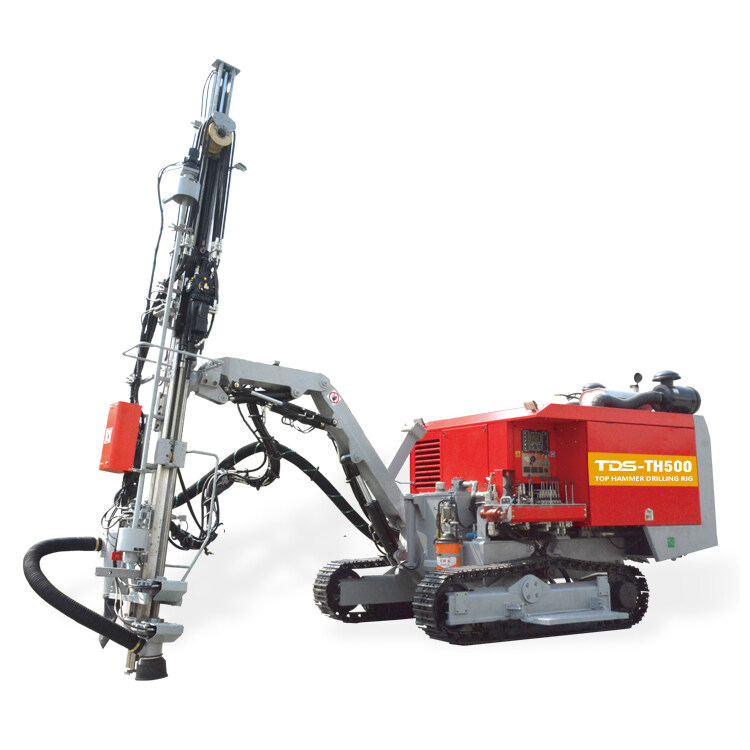
The best method for drilling will depend on the work location for the rig for the day. For example, drilling on a quarry bench face, on the cut of a road, and for geotechnical drilling all require different trade-offs.
When does DTH drilling usually make sense?
DTH drilling can be an option for harder rock, deeper holes, bigger hole diameter, water well drilling, some blasthole work and projects where hole straightness is important. A practical example of this type of drilling is a hard-rock quarry that is drilling deeper blast holes and requires control of deviation and penetration.
Air demand. DTH systems require a properly matched compressor, an air hose layout, a hammer maintenance plan, and a stock of spare bits. If the air system is too small then performance will be affected and so too cost control.
When does top hammer drilling usually make sense?
Top hammer drilling is appropriate for smaller holes, shorter holes, construction drilling, quarry production, road work and many other applications where the rig will be moving frequently around the site. A common use case for Top hammer drilling would be to have a contractor drilling many shallow blast holes cross-holling between different benches and thus needing to be able to set up the drill quickly and be able to move off to another location as required.
As depth is increased, energy is lost through the drill string. Care must be taken to monitor Rod wear, and the condition of the couplings and hole deviation while drilling deeper formations or harder formations.
How should buyers compare performance and cost?
Low price for drilling equipment does not necessarily translate into low job cost. Compare the full drilling system and not only the rig.
Which technical factors affect performance?
Important factors include hole diameter, hole depth, rock hardness, abrasiveness, groundwater, bench height, rig mobility, compressor matching, flushing method, and operator skill. Sandvik’s surface drill rig categories include surface top hammer drill rigs and surface down-the-hole drill rigs, which reflects the need to match rig type to surface mining applications.
| Buyer factor | DTH drilling rig | Top hammer drilling rig |
|---|---|---|
| Strong fit | Deeper, larger, harder-rock holes | Smaller, shorter, mobile drilling |
| Key support system | Compressor and air delivery | Rods, couplings, rock drill |
| Main cost risk | Air use, hammer and bit wear | Rod wear, deviation, coupling wear |
| Common use scene | Hard-rock quarry, water well, deep blasthole | Construction, quarry, bench drilling |
What cost items should be included?
Rig cost plus compressor plus fuel plus rods and drill bits and hammers and drill collars and drill couplings plus maintenance labor plus down time plus moving people and parts around plus training people to use the rig. Then compare meters drilled per shift ONLY AFTER you have determined the rock conditions and hole size requirements.
A top hammer solution might look like the most cost-effective for short holes. However, as hole depth and hole straightness become more critical, the DTH solution becomes more practical. What is the best answer for a given project?
What risks should buyers check before choosing equipment?
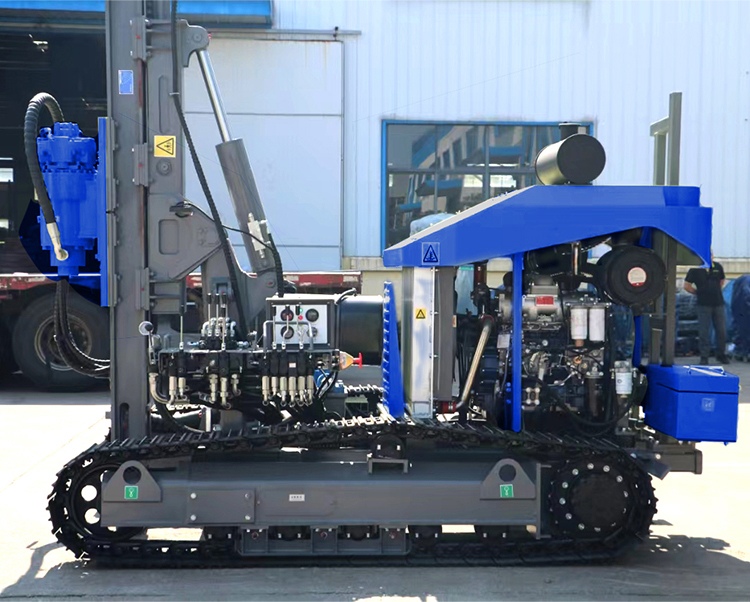
The problems with performance of drilled holes mostly are due to wrong matching and not the drilling method itself. In order to get adequate quotations for a job, buyers should prepare the job data prior to requesting quotes from possible suppliers.
What should be checked before purchase?
A practical checklist may include:
- Hole diameter, depth, and angle
- Rock hardness, abrasiveness, and fractures
- Air pressure and compressor flow
- Bench height, road access, and rig mobility
- Rod, bit, hammer, and coupling availability
- Operator training and maintenance support
- Required manuals, drawings, and spare parts plan
By describing the real operating needs of geotechnical drilling procurement teams can compare various types of geotechnical drilling equipment.
What safety and maintenance points matter?
There are many hazards in drilling such as rotating parts, high pressure air, big rigs, hot pieces of equipment, un-level ground, and big, heavy tools. Drill operation training provided by MSHA covers such hazards as being struck by an object, equipment in motion, high pressure and hot systems, hot lines, falling objects, and securing of tools prior to movement.
Some things to consider for a schedule of routine checks for maintenance personnel on your rig: hoses, drilling rods, couplings, hammers, bits, tracks, mast, lubrication points, guards and emergency stops. A rig that is difficult to maintain will result in down time for repairs, regardless of the drillings performance as advertised in brochures.
Who can support buyers comparing DTH and top hammer drilling equipment?
TDS (The Drill Store) web site describes The Drill Store as a supplier of geotechnical drilling equipment, including core drilling, DTH drilling, water well drilling, top hammer drilling, air compressors, rock tools, drilling kits & consumables. Products are described with applications for exploration, blasthole drilling, water well drilling & other drilling applications. TDS can help match your drilling equipment requirements, supply drilling equipment training, provide drilling equipment technical support and other services to meet your drilling project requirements. TDS may be able to provide assistance to buyers comparing DTH vs top hammer drilling in 2026 by being able to discuss drilling rig requirements, drilling compressor requirements, drilling rock tools, drilling equipment spare parts, and drilling applications but all too often the buyer still has to compare specifications, view supporting documents, review price, delivery terms and services offered and then visit the stores jobsites to compare the stores actual drilling equipment offerings.
Conclusion
Both DTH and top hammer drilling can be very successful in the correct application. DTH drilling is typically used for deeper, larger diameter holes in very hard rock where straightness and down hole impact are critical. Top hammer drilling is generally more practical for the smaller, shallower and more mobile type of drilling application. The buyer should compare the requirements of the holes, compressor size and requirements, tool wear, maintenance requirements, safety and total project cost to determine which method will best meet the requirements of the project. The best method is the one that best suits the rock, site and support plan.
FAQs
1. Is DTH drilling better than top hammer drilling?
No. DTH drilling is suited for deeper or larger hard-rock holes, whereas top hammer drilling is better suited for shorter, smaller more mobile type of drilling.
2. Which method is cheaper?
Total cost to drill a hole depends on several factors including hole size and depth, rock type, required air, tool life, fuel cost, labor and down time. Buyer should compare total drilling cost and not just the cost of the rig.
3. What is a dth drilling rig used for?
A DTH drilling rig is typically used for Hard Rock Drilling, Water Wells, Quarry Drilling, Blastholes and any other application where downhole impact is required and hole straightness is critical.
4. What is a top hammer drilling rig used for?
A top hammer drilling rig is commonly used for quarry work, construction drilling, road work, small diameter holes and job sites that are frequently moved.
5. What should buyers prepare before asking for a quote?
They should provide hole diameter, depth, rock type, site access, compressor needs, drilling angle, expected production, spare parts needs, and service requirements.
 French
  English
  Portuguese
  Spanish
  Russian
  Italian
  German
  Dutch
Dutch  Arabic