
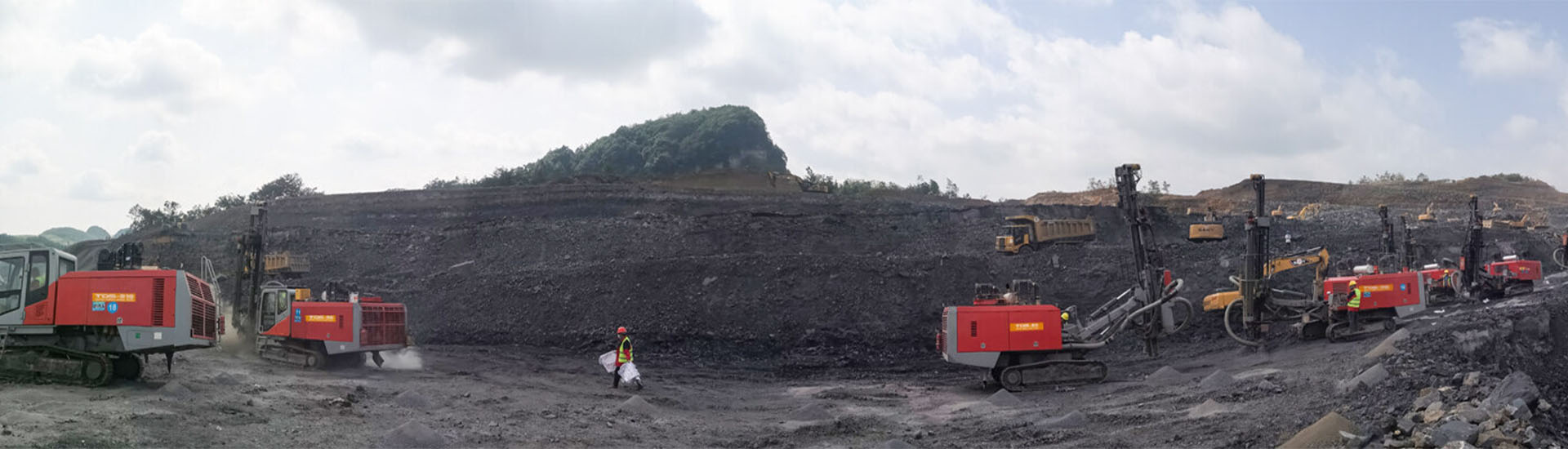

For drilling contractors and purchasers of drilling equipment, premature wear of DTH drill bits can disrupt drilling schedules, increase costs, and make project performance harder to assess. Although many buyers focus first on bit price, experienced contractors also consider rock hardness, drilling process, air compressor matching, flushing ability, and maintenance, because the service life of a DTH drill bit depends not only on the bit itself, but also on the condition of the hammer, air supply system, drill rods, drilling technology, and ground conditions.
Why does DTH drill bit wear happen faster than expected?
DTH drill bit wear is usually caused by several factors working together rather than one single problem. Finding the actual cause requires checking the drilling environment and operating conditions.
How do rock conditions affect drill bit life?
Rock composition is one of the most influential elements that affects wear. Tough and abrasive rock compositions cause wear of carbide buttons and bit faces much quicker than soft rock formations.
The frequent error that people make is choosing a bit based on diameter or machine fit alone. The same DTH drill bit will behave differently in granite, limestone, fractured rock, and composite rock conditions.
Before choosing a bit, contractors usually consider:
- Rock hardness;
- Abrasiveness;
- Fracture conditions;
- Drilling depth;
- Hole diameter requirements.
A bit designed for one geological condition may not provide the expected service life in another.
Can incorrect drilling parameters shorten bit life?
Yes. Rotation rate, feed pressure, impact energy, and flushing all influence wear rates.
Excessive pressures might overload carbide inserts and contribute to their rapid destruction. Insufficient pressures can lead to ineffective hole formation and excessive impact loads on the bit face.
It is usually crucial to find a proper balance rather than increasing drilling load.
Which drilling conditions affect DTH bit performance the most?
A DTH drill bit does not work independently. The drilling system needs to be properly matched.
How does air pressure and compressor capacity influence wear?
Compressed air performs several functions in down-the-hole drilling. It powers the hammer and helps remove cuttings from the hole.
When the compressor cannot provide suitable air volume or pressure, poor flushing may occur. Rock particles may remain around the bit, increasing repeated contact between the cutting surface and abrasive material.
Before purchasing drilling equipment, contractors should check:
| Item | Why It Matters |
| Air pressure | Affects hammer operation |
| Air volume | Influences flushing performance |
| Compressor capacity | Determines system matching |
| Hole depth | Affects cleaning efficiency |
The correct compressor setup depends on the drilling system and project conditions.
Why does flushing efficiency matter for drill bit life?
Cuttings left at the bottom of the hole can reduce drilling efficiency and increase wear. Good flushing helps remove broken rock particles during operation.
In deep-hole drilling, flushing becomes even more important because removing debris becomes more difficult as the hole length increases.
How can operators reduce premature DTH drill bit wear?
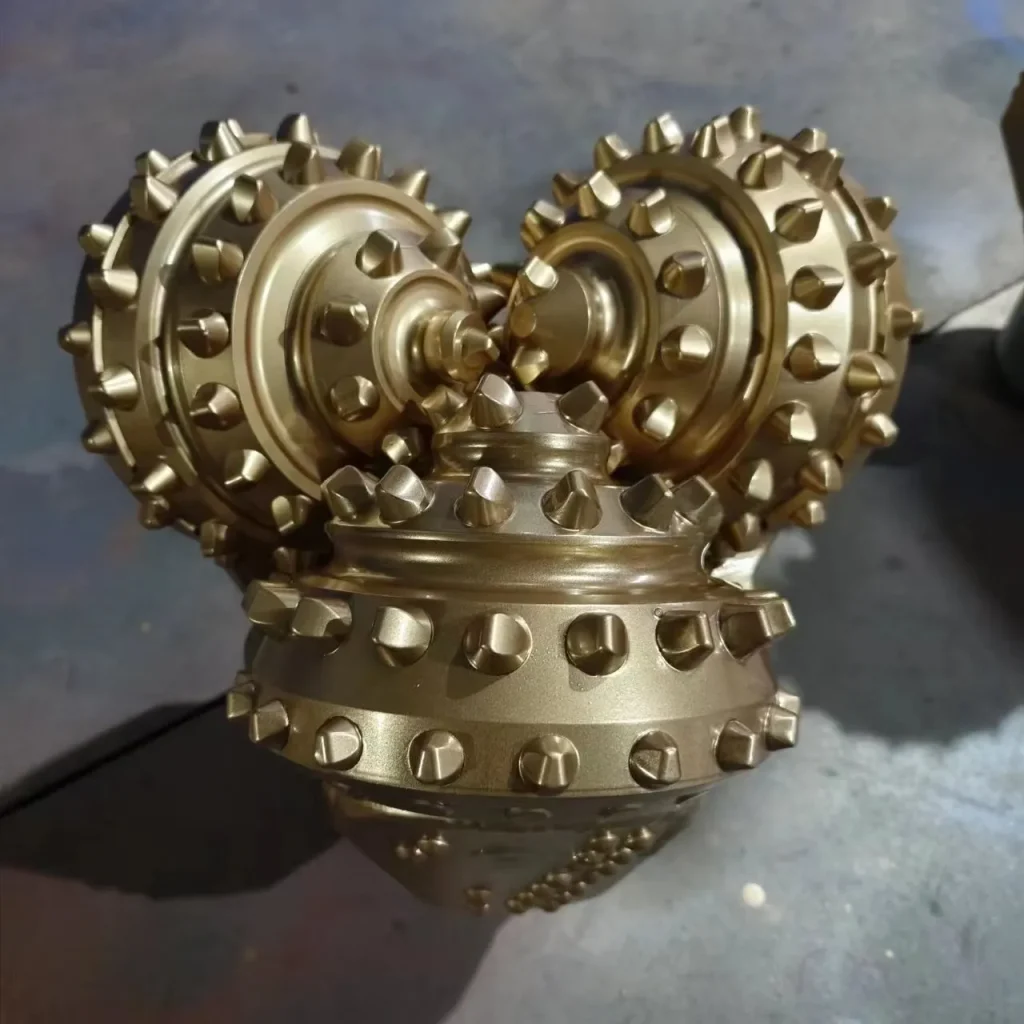
Extending drill bit life is not only about buying a stronger product. Daily operation and maintenance decisions have a direct effect.
What drilling habits can damage a DTH bit?
Several operating habits may accelerate wear:
- Excessive rotation speed;
- Incorrect feed pressure;
- Continuing to drill with damaged buttons;
- Poor alignment between drilling components;
- Running equipment outside recommended conditions.
Operators who monitor drilling feedback can often identify problems earlier. Changes in penetration speed, vibration, or unusual drilling sounds may indicate that the bit or system requires attention.
How does regular DTH bit maintenance help?
DTH bit maintenance includes more than cleaning the tool after use.
Before reuse, operators can check:
- Carbide button condition;
- Cracks on the bit body;
- Uneven wear patterns;
- Damage around the threads;
- Overall cutting performance.
A damaged bit may not only reduce drilling efficiency but also affect other components in the drilling system.
What should buyers consider when selecting a DTH drill bit?
Choosing a drill bit supplier requires looking beyond product appearance and price.
Which specifications should match the drilling project?
Before ordering, buyers usually review:
- Bit diameter;
- Thread connection;
- Button design;
- Rock application;
- Hammer compatibility;
- Expected drilling conditions.
Different projects may require different button layouts, face designs, and bit structures.
A contractor working in hard abrasive rock may have different requirements from one drilling softer formations.
Why does supplier experience matter?
A supplier that understands drilling applications can provide more useful recommendations than one that only provides standard products.
Technical communication before purchase can help confirm whether the selected bit matches the hammer, rig, compressor, and ground conditions.
How do cost and maintenance decisions influence drill bit selection?
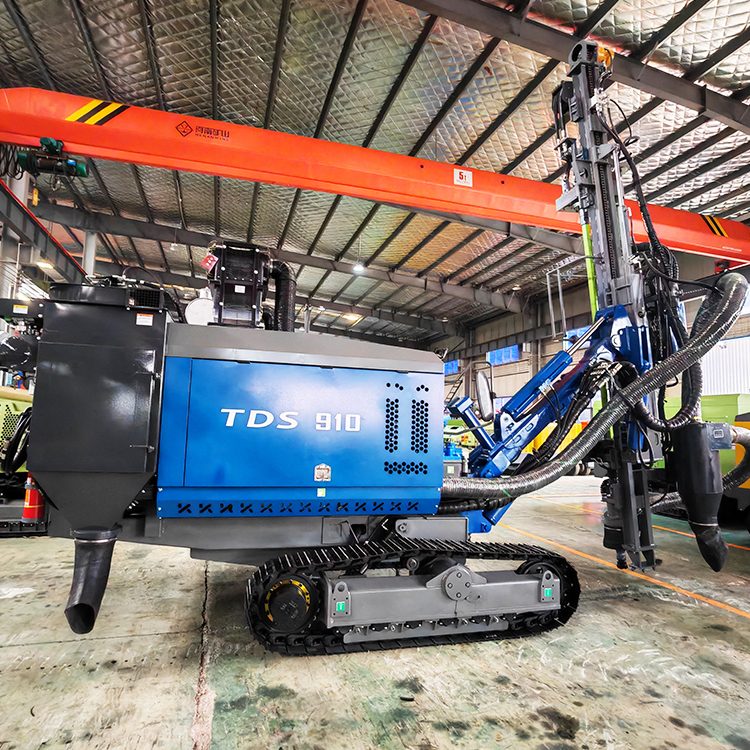
The lowest purchase price does not always represent the lowest operating cost.
Should buyers focus only on drill bit price?
A cheaper bit may become more expensive if it needs frequent replacement or causes lower drilling productivity.
Many contractors evaluate total usage cost, including:
- Replacement frequency;
- Drilling efficiency;
- Downtime;
- Compatibility with existing equipment.
A suitable DTH drill bit should match the working environment rather than simply meet the lowest price requirement.
How can contractors improve drill bit life management?
A practical approach includes recording drilling conditions and replacement reasons.
Useful information may include:
- Rock type;
- Drilling depth;
- Operating pressure;
- Hours of use;
- Wear pattern.
These records help identify whether wear comes from product selection, operating conditions, or equipment matching.
How does TDS support geotechnical drilling equipment needs?
TDS (The Drill Store) is a provider of geotechnical drilling equipment and DTH drilling equipment for construction contractors and drilling engineers. TDS will help its clients in equipment selection, product data, and drilling needs depending on the project conditions. Clients using DTH drill bits need to look into the factors of the drilling applications, machine compatibility, working environment, and maintenance before making the purchase decision. Nonetheless, comparisons are still important in supplier selection based on specification, product data, price, delivery, and services.
Conclusion
The wear of DTH drill bits involves various factors, including rock conditions, drilling conditions, air supply, flushing efficiency, and maintenance activities. An increase in the longevity of drill bits involves choosing the correct drill bit according to the real drilling conditions instead of just considering its cost. Through inspection and good handling of the equipment, the problem of wear can be minimized. Choosing the appropriate supplier of the equipment is an important factor in achieving continuous drilling efficiency.
FAQs
1. Why does my DTH drill bit wear out quickly?
Common causes include unsuitable bit selection, abrasive rock conditions, incorrect drilling parameters, poor flushing, and insufficient maintenance.
2. How can I extend DTH drill bit life?
Operators can improve drill bit life by matching the bit to the rock type, adjusting drilling parameters, maintaining proper air supply, and checking wear regularly.
3. How does rock type affect DTH drill bit selection?
Different rock formations create different wear conditions. Hard and abrasive rocks usually require bit designs suitable for higher wear resistance.
4. When should a DTH drill bit be replaced?
A bit may need replacement when carbide buttons are heavily worn, drilling performance decreases, or visible damage affects operation.
5. What should buyers ask before purchasing DTH drill bits?
Buyers should confirm bit specifications, hammer compatibility, drilling conditions, supplier support, delivery terms, and product information before ordering.
 French
  English
  Portuguese
  Spanish
  Russian
  Italian
  German
  Dutch
Dutch  Arabic