
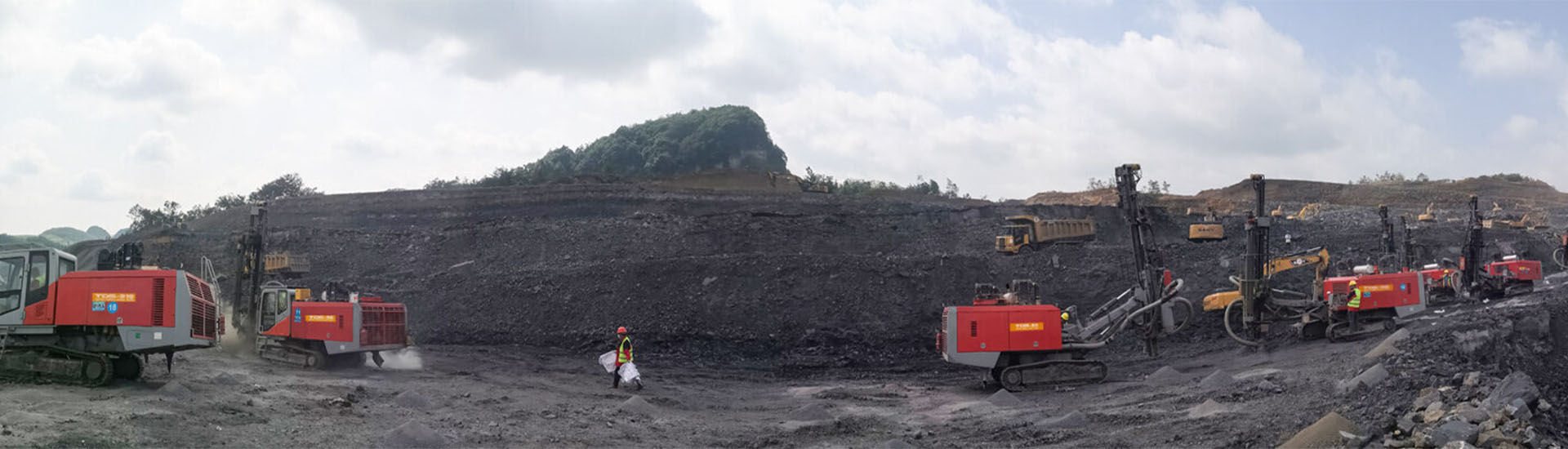
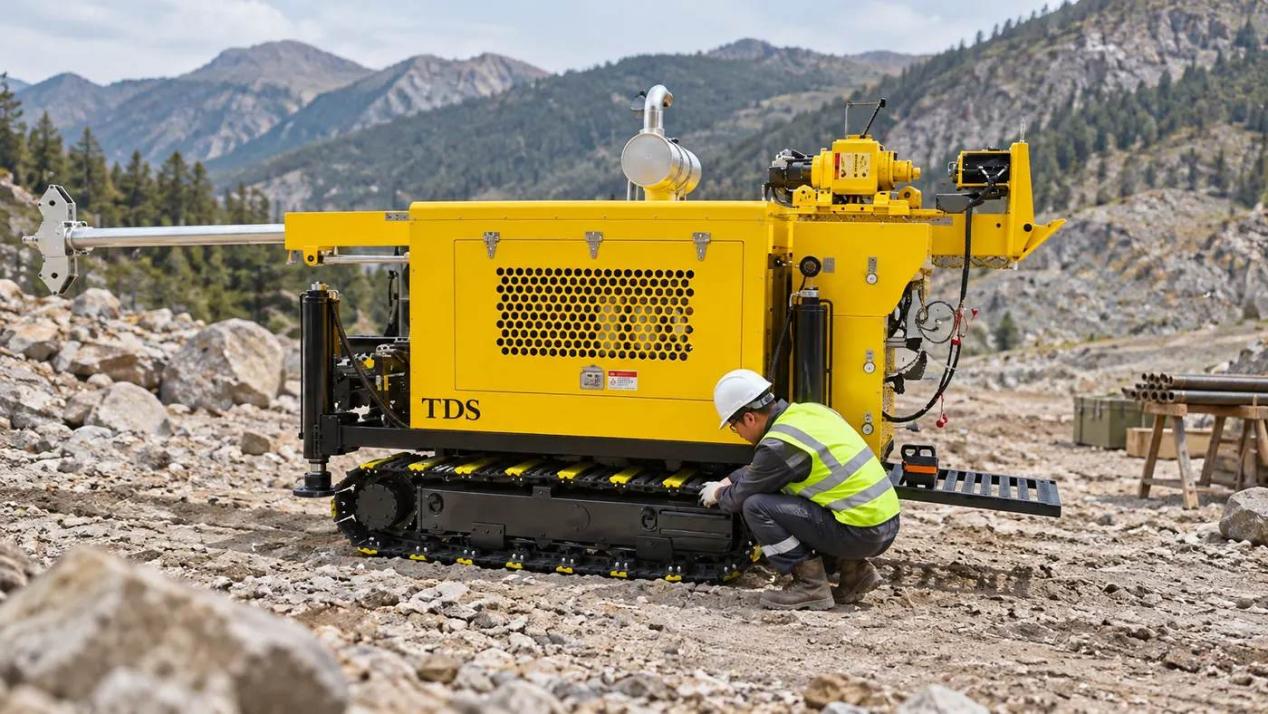
Refitting the track may leave the fault. Sag, fresh rubbing, trapped soil, and the last turn can each matter. Ground loading may expose an undercarriage weakness, so consider both together.
What Evidence Changes During Recovery?
Lifting and handling move the rail; cleanup can erase where support was lost. Look first.
Begin with a machine that cannot move
Stop travel and place the mast or attachments in the safe position specified for the machine. Isolate the controls and follow its lockout and support instructions. A crawler raised without the correct support can move unexpectedly. The grease tensioning system may also remain pressurized after shutdown, so only trained personnel should release a fitting or work beside the supported rig.
With the machine secure, compare both sides. Photograph where the rail left a guide or rode a sprocket tooth. Note packed mud, a displaced guard, wet grease, or fresh contact. Mark the machine side on each image.
Reconstruct what the operator noticed first
Place the first change in the actual maneuver: perhaps the rig was pivoting, backing up, crossing a slope, or climbing a step. Note the uphill crawler. Had the rig begun to pull before the rail moved, and what was under that track? Preserve the location of removed mud or cuttings.
Earlier drift or recent work suggests a developing issue; normal travel until an obstacle was struck points elsewhere. Tension and the running path still need checking.
How Much Can a Sag Reading Explain?
Sag describes one condition; after derailment, the rail may no longer be seated normally.
Take comparable readings, not a convenient one
The rig’s own procedure defines its position, direction of prior travel, measuring span, and permitted range. Measure while only the required points are clear. Once the path is clean, take the same measurement again. If the result moves, material around the links may have influenced the initial value. Compare sides under matching conditions.
A loose rail has less engagement available as it travels around the running gear. Tightening past the specified range creates a different problem by adding drag and load. The specified range guides adjustment but does not prove the cause.
Check whether the setting remains stable
If the sag soon changes again, the previous adjustment did not settle the question. Look for grease leaving the system, trouble within the tensioner, or an idler that hangs instead of sliding freely. More grease may hide the symptom until the rail starts travelling.
After authorized repair, measure again and move slowly on controlled ground. Stop if the rail climbs or sag changes again. The change during movement matters because a parked dimension can look correct while the underlying fault remains.
Where Did the Track Begin Running Sideways?
Some damage occurs while the rail is coming off. Alignment is better judged from a trail of related contact than from the deepest individual scar.
Trace contact from sprocket to idler
On the cleaned undercarriage, trace the contact from the sprocket toward the front idler, passing each roller and guide in sequence. Polishing along the same side of several components supports lateral tracking. Resistance at one roller or in the idler slide may redirect the rail only when the crawler carries weight, leaving the parked geometry looking ordinary.
Weight on the crawler may also open movement that is not obvious while the rig is supported. A shifted bolt, cracked weld or mount, bent guard, or worn joint can therefore matter without looking dramatic. Compare the other crawler. One scar made during recovery is weak evidence.
Verify geometry and component compatibility
If contact suggests an offset, use the maker’s dimensional method and a straight reference. Rollers and idler should guide the rail toward the sprocket without a sideways step.
Match fitted items to the serial number. Wrong link pitch or a fresh sprocket against a heavily worn chain can disturb engagement despite acceptable sag. If the same side comes off again, component fit and the contact trail deserve attention before the grease gun does.
How Much Blame Belongs to the Route?
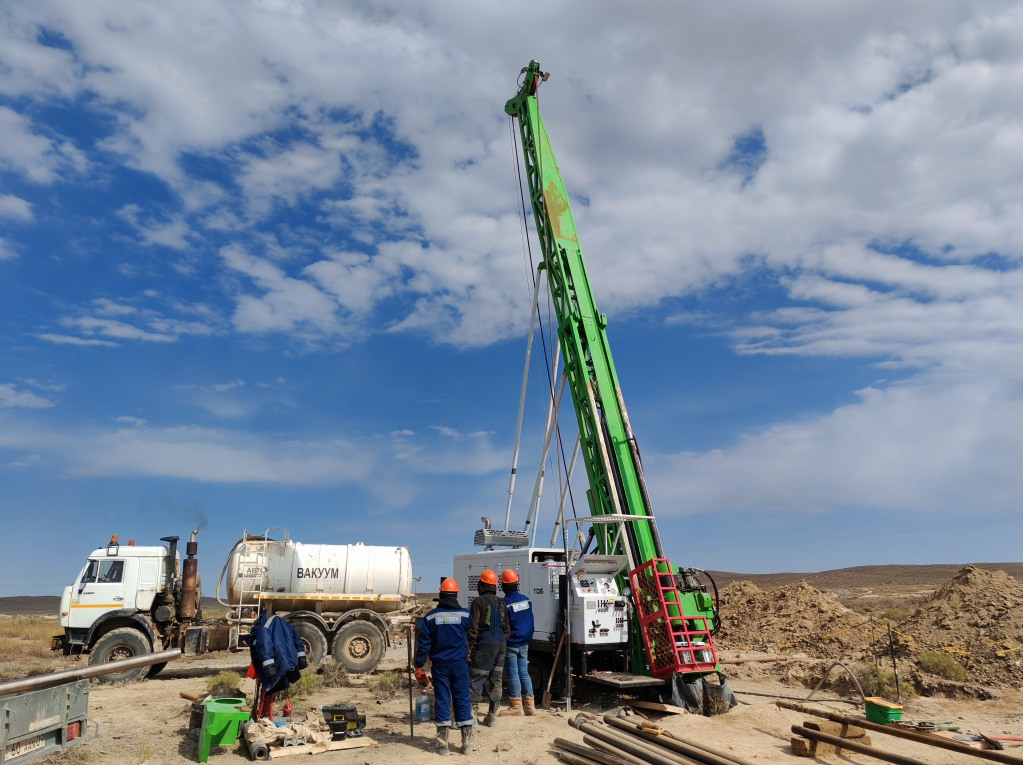
The timing of the first track movement helps separate those possibilities. A specific loss of support strengthens the terrain explanation; earlier pulling on level ground weakens it.
Inspect the route for a specific loading event
A failing shoulder may lower one crawler, while a rock or step lifts the rail during steering. Sideways load also develops when the rig turns across a slope or carries a wedge of material around only one side. That load can start the rail climbing; whether it returns to its path also depends on tension and alignment.
Driving through the same unsafe move again may create damage rather than useful evidence. After the undercarriage is found serviceable, check it at low speed on firm ground, with a spotter when the machine procedure requires one. Support both tracks and respect the stated travel limits.
Separate travel behavior from an assumed hydraulic fault
Run the observation on level ground and include a careful reversal. A slower answer from one crawler may contribute to side loading, but that response alone does not identify the faulty part. Pressure, flow, brake release, and drive-motor testing must follow the machine’s service method with the intended instruments. Before those tests, “hesitation” is the finding; “hydraulic failure” is only a guess.
What Must the Repaired Rig Demonstrate?
A reinstalled track is an incomplete result if the same explanation still fits the machine. Low-speed travel should show whether the symptom changed.
Close the work with a controlled check
Keep the first photographs and readings with the corrected setting, alignment findings, part numbers, and travel result. Confirm idler movement, roller rotation, absence of renewed leakage, and stable seating. If uncertainty remains, inspect sooner. Do not return the rig to travel while a crack, seized roller, unstable setting, unresolved alignment, or component mismatch remains.
Describe the access route when buying the rig
For a new rig, describe slopes, the surface between pads, travel distance, packing, and service access. Request its manual, tension procedure, undercarriage parts information, and recovery guidance. This is more useful than a general rough-ground claim.
Matching the Crawler Rig and Its Access Road
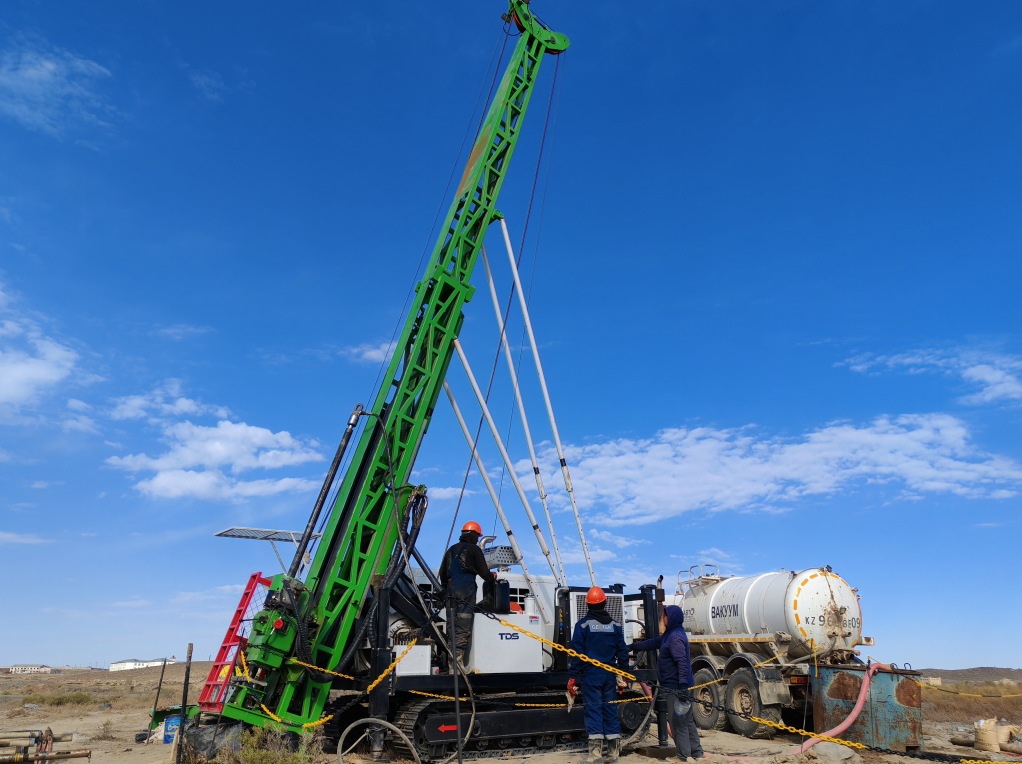
The Drill Store supplies mining, exploration, and water-well drilling equipment. The C1000 surface core rig combines hydraulic crawler travel, remote operation, and a compact layout for narrow, steep roads. Service limits and repair methods still come from the documentation for the machine supplied. Buyers can submit site and support requirements for configuration review.
Conclusion
A useful derailment investigation does not begin by choosing between tension and terrain. It starts where the rail moved, tests sag under defined conditions, and follows sideways contact. The route shows how the machine was loaded. Treat an explanation as probable only when these pieces agree.
FAQs
1. Does low tension prove why a track came off?
No. It reduces engagement, but alignment, wear, packing, part fit, or side load may decide the outcome. Measure sag before changing it.
2. Could a track be set too tight?
Yes. It raises friction and component load. Use the allowable range and measuring conditions specified for the machine rather than eliminating all visible sag.
3. Why might one crawler derail again after adjustment?
Sag may be returning, or something in the running path may be steering the rail aside. A binding idler, dragging roller, guide damage, incompatible parts, and the repeated route condition should be checked against the actual marks.
4. Which route facts matter before equipment is selected?
Give its slope and surface, the distance and frequency of rig travel, likely locations for mud or broken rock to pack, and any narrow point. The supplier can use those details to identify inspection guidance, suitable wear parts, and the correct recovery information.
 Portuguese
 English
 Spanish
 Russian
 Italian
 German
 French
 Dutch
 Arabic