
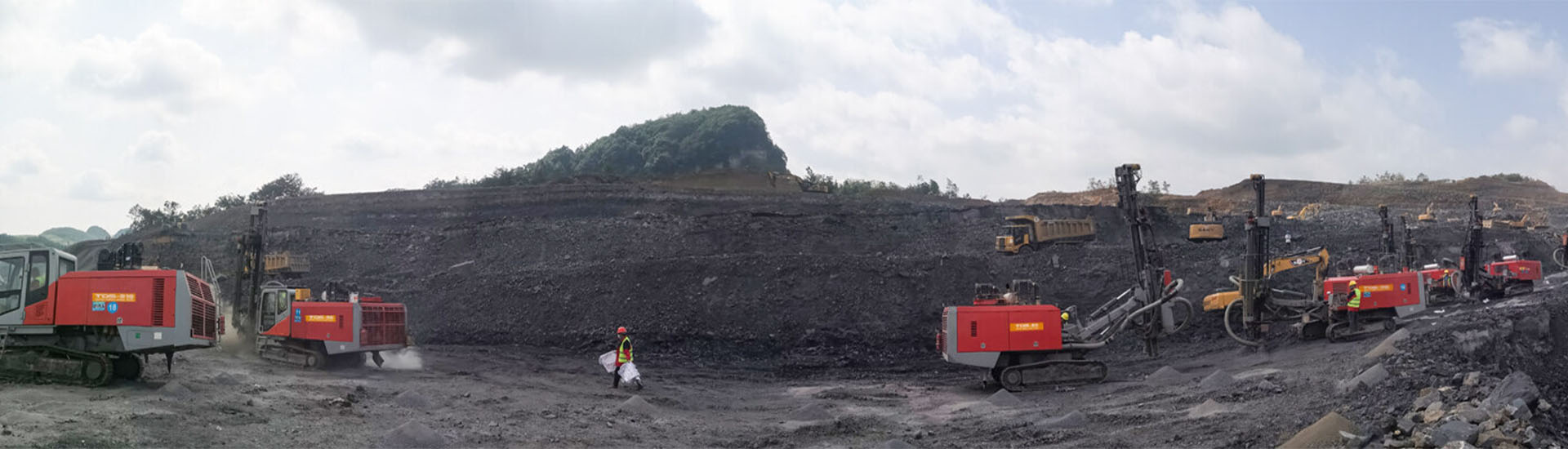

Access to a reliable supply of clean water is the backbone of modern agriculture and for farmers who rely on irrigation to grow their crops a constant supply of clean groundwater from a well is crucial to their ability to maintain production levels. Water well drilling rigs for agriculture are a vital piece of equipment that allow farmers to develop their own sources of water by drilling wells to extract water from underground aquifers. When selecting the most suitable drilling rig for irrigation use on a farm there are a number of factors that need to be taken into account, including the make up of the soil on the farm, the expected depth of the well and the local hydrogeology. The type of rig selected will have a direct impact on both the efficiency of the drilling process and the long-term sustainability of the irrigation system.
What Factors Should Be Considered When Choosing a Water Well Drilling Rig for Agriculture?
Selecting the right water well drilling rig depends on a number of site specific factors as well as operational objectives.
Evaluating Geological and Soil Conditions
A drill rig has to meet specific requirements with regard to technical characteristics, depending on the geological profile of farmland. On soils with low firmness such as clay or sand, light-weight drill rigs of the type rotary drill rigs are often sufficient for drilling farmland wells. On rocky soils, on the other hand, increased torque is required and drill rigs of the type percussion drill rigs are used. The planned depth of and the diameter of the well are also crucial. For deeper wells, more powerful drill rigs are required which have a higher pull-down force and more rotational force. The quality and pressure of the groundwater also play a role when choosing the appropriate drilling method. For this purpose, there are three different types of drillings, i.e. air rotary drilling, mud rotary drilling and down-the-hole drilling (DTH-drilling). All types of drillings are used for efficient well drilling in farmland, in order to prevent contamination of groundwater.
Assessing Power Source and Mobility Requirements
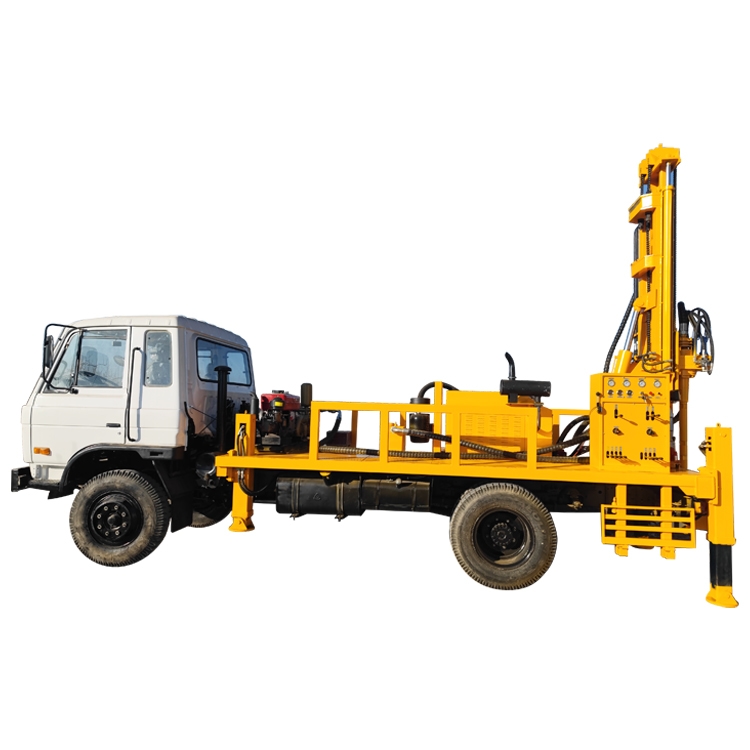
Power system and mobility of the rig also have to be taken into account. Hydraulic systems are very controllable, and for that reason they are widely used for agricultural applications. They can work well on uneven ground, which is important for many applications. Pneumatic systems are powerful as well, but they require more energy than hydraulic systems, especially in rocky applications. A mechanical system could be used for a small operation where no automation is required. In terms of mobility, a truck mounted rig offers the most flexibility between fields, whereas a trailer mounted unit is more suitable for stationary or restricted access applications. The energy efficiency and fuel consumption of the different options has to be assessed in order to get the best possible solution for long term cost of ownership, for a farm with limited budget.
How Does Drilling Capacity Affect Agricultural Irrigation Efficiency?
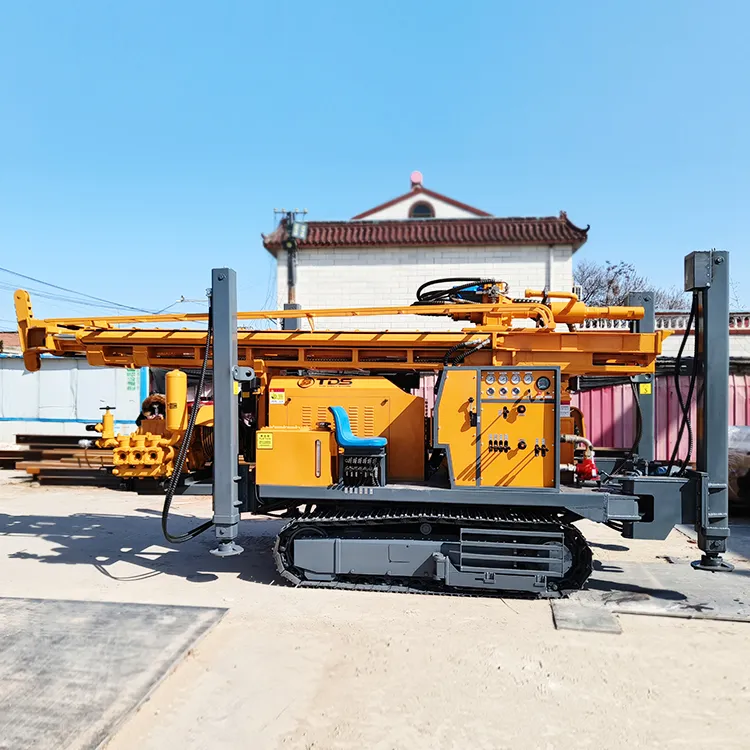
The drilling capacity not only determines the depth of a borehole, but it also determines how good the drilling will be support the irrigation system in the long run.
The Relationship Between Borehole Depth and Irrigation Demand
Deeper wells often tap into more stable aquifers that maintain consistent flow rates throughout seasonal fluctuations. However, achieving such depths requires robust rigs with adequate torque and pullback strength to handle increased resistance. Balancing well depth with irrigation demand prevents over-extraction that could deplete groundwater reserves or cause pump inefficiencies. Similarly, selecting an optimal borehole diameter ensures compatibility with submersible pumps used in agricultural irrigation systems—too narrow a bore limits flow rate, while excessive width increases drilling costs unnecessarily.
Selecting the Right Drilling Method for Desired Output
The use of different drilling techniques for different objectives. For general application in various soils Rotary Drilling is the fastest method. In very hard rock situations like in agricultural development projects with large areas Percussion Drilling is most effective. However this type of drilling requires more maintenance than other types as the wearing parts are subject to mechanical stress. Down-the-hole hammers are very fast and precise in deep aquifer drilling. The choice of a suitable drilling method not only influences the duration of a project but also the life time of the used drilling rigs. Using the wrong drilling method causes an excessive wear of the components of the drilling rigs.
What Technical Specifications Should Experts Focus On?
Technical parameters of a rig describe its actual capabilities and the area of application, especially in agriculture.
Key Performance Metrics in Rig Selection
Critical performance parameters of a drilling rig are its torque, pull-down force, rotational speed and hoisting capacity. These parameters will determine how well the drilling system will penetrate through various rock formations while maintaining the stability of the well bore. The structural parameters of the frame work of the rig must also be designed to withstand the vibration during continuous operation of the rig. A number of farms are now equipped with automated monitoring systems. These monitoring systems are now connected to the drilling rig to monitor in real time the performance data of the various drilling parameters to enable precise bore hole creation.
Material Quality and Durability Considerations
The durability of a structure can be largely attributed to the choice of materials and the structural design. A strong frame, made from a high strength steel, will resist excessive deformation under heavy load. Additionally, a corrosion resistant coating will assist in preventing damage from moisture, common in agricultural applications. Other components, such as drill rods, bits and hydraulic lines, must also withstand abrasive soils and be designed for long life to avoid frequent replacement on farms in remote locations where there is limited access to maintenance resources.
How Important Are After-Sales Support and Maintenance Services?
After the initial purchase of a water well drilling rig for agriculture, after-sales service support has a large impact on the long term reliability of the product.
Evaluating Supplier Reliability Through Service Capabilities
A supplier with whom to build a reliable relationship has to offer a complete service including a supply of spare parts, the training of operators and on-site service for breakdowns and for the calibration of equipment. In order to prevent unnecessary downtimes during the periods with highest irrigation pressure a scheduling of preventive maintenance has to be offered. A longer warranty period is an indicator for the high quality of the products and for the manufacturers confidence in them. A longer warranty period is usually accompanied by a good customer service which is able to solve all problems that may occur with the operator.
Why Choose TDS (The Drill Store) as a Partner for Agricultural Water Well Projects?
TDS (The Drill Store) is a well established global supplier of water well drilling equipment of the highest quality for Agricultural use. We have many years of experience in the design and manufacture of Drilling Rigs of the highest performance. Our Rigs are capable of being used in a variety of geological situations and are supplied with the Farmers and Irrigators world-wide in the drilling of shallow farm wells as well as deeper irrigation wells. As well as manufacturing Drilling Rigs of the highest quality, TDS also supplies a full service to its customers. This can include Drilling Rigs being configured to customers’ exact specification using site data. We also supply Operator Training on the safe use of the Drilling Rig, Service Contracts to ensure the longest possible life from the Drilling Rig and a rapid parts service to return the Drilling Rig to work as quickly as possible.
Conclusion
When selecting a suitable water well drilling rig for agricultural use, consideration must be made for the local geological conditions, the required technical parameters, available energy sources and the specific demands of the farming operation. It is also important that the rig is robust and compatible with automation, allowing for optimal production while minimizing the need for manual intervention over extended periods. Long-term maintenance must also be planned, in order to operate at peak levels throughout the year, particularly during the peak of the irrigation season. Finding the right equipment supplier, such as TDS, who can not only supply quality groundwater development equipment for farms but also provide after sales technical support, is key to any successful project.
FAQs
What is the typical lifespan of a water well drilling rig used in agriculture?
Well maintained rigs are designed to operate efficiently for a minimum of 10–15 years and beyond in appropriate operating conditions, depending upon frequency of use, soils encountered and adherence to routine scheduled maintenance.
How can I determine the right drilling depth for my farm’s irrigation system?
The optimal depth of a borehole is determined from local hydrogeological studies and takes account of the position of groundwater, the yield of the aquifer and fluctuation in water levels due to seasonality.
Are automated or semi-autonomous rigs suitable for agricultural applications?
The use of automated rigs can increase precision and save on human labor while providing greater safety during the drilling process. Irrigation for large agricultural projects requires a consistent performance at all individual locations.
 Portuguese
  English
  Spanish
  Russian
  Italian
  German
  French
  Dutch
Dutch  Arabic