
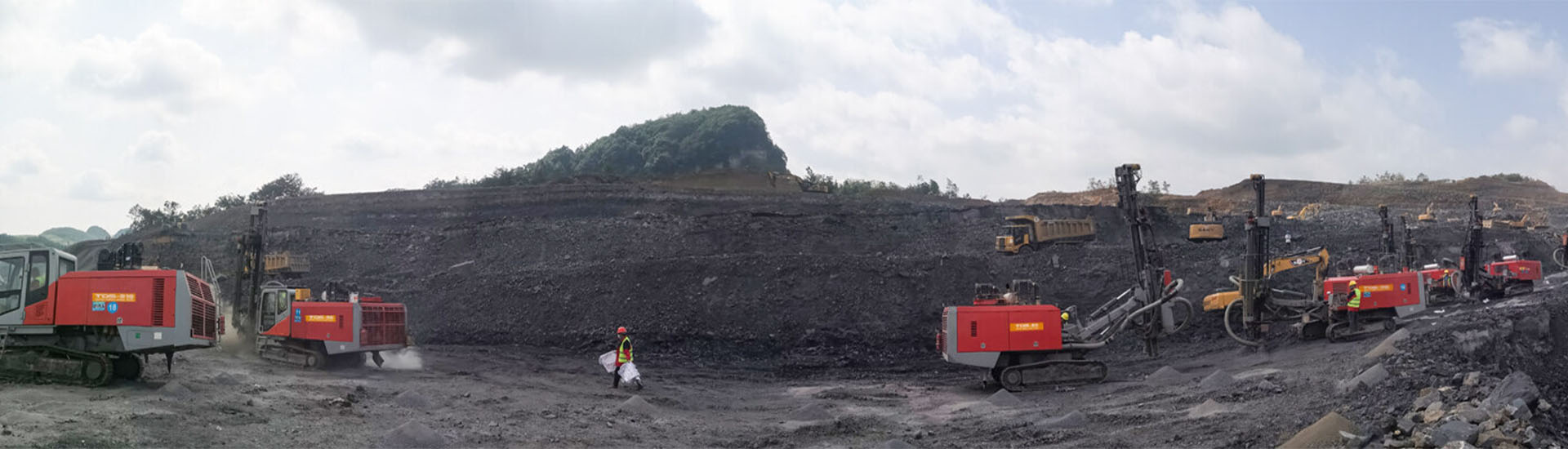
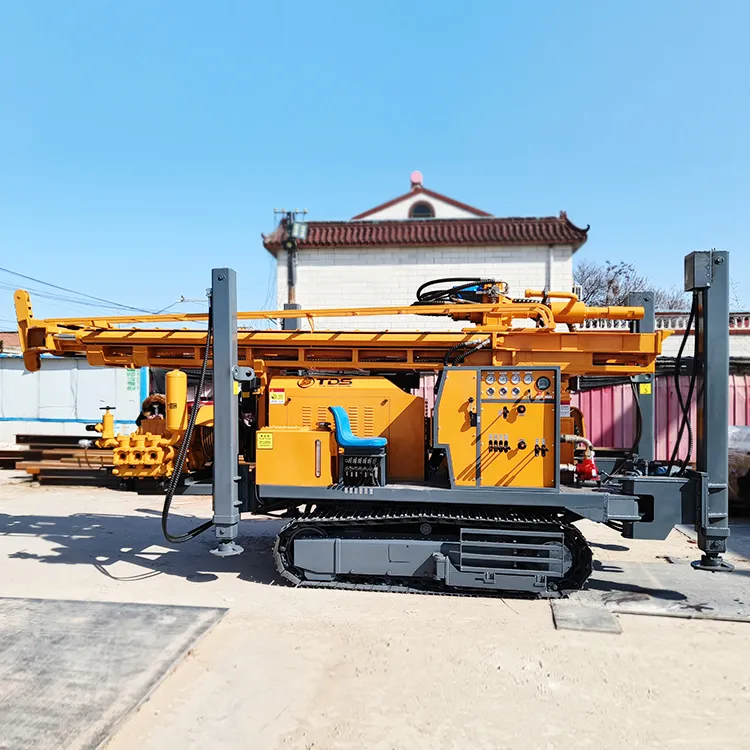
When your drilling business starts picking up steam—maybe you’re landing more farm irrigation jobs in arid spots or picking up fresh city water supply contracts—adding rigs to the lineup makes perfect sense. Rush into it blindly, though, and you wind up with machines that gather dust, chew through repair budgets, or just can’t handle the rougher jobs. Guys who’ve grown their fleets the smart way know one thing: the gap between a solid move and a costly headache usually boils down to a few down-to-earth decisions about picking the right water well drilling rig.
This piece lays out the real do’s and don’ts that actually count when you’re gearing up to grow. We’re talking about the depths you’ll hit, the ground you’ll face, how green your crew is, the dollars over the long haul, and how the proper rig keeps jobs rolling smoothly instead of grinding to a halt.
Why Fleet Expansion Demands a Careful Look at Water Well Drilling Rigs
Growing isn’t simply about buying extra equipment. It’s about fitting the machine’s abilities to the work you’re really after. Picture this: a crew used to knocking out 100–200 m household wells suddenly scores a run of 400 m irrigation projects. The older rig that breezed through shallow holes now fights for torque, struggles with pullback, and wobbles on deeper runs.
Here’s a true story. Last year a decent-sized outfit in a dry region doubled their fleet. They brought in two rigs built for 300–500 m depths after they kept losing out on bigger municipal bids—their old 180 m rigs simply couldn’t compete. Six months later those new machines had already paid for themselves. Higher-paying contracts rolled in, and they stopped handing work off to subcontractors.
Lesson learned? Figure out your real target depths and job types before you shop. Don’t guess. Sketch out the bids and projects you expect over the next year or two.
Do: Match Rig Specs to Your Actual Job Pipeline
Start with drilling depth. But don’t quit there.
- Depth and hole size range— Grab rigs that reach past your deepest expected jobs with a little cushion. If your bids include wells down to 400 m, look at models good for 500 m or beyond. TDS rigs stretch from tight 180 m units all the way up to beefy 1000 m machines. That spread lets you stay flexible as work grows.
- Pulling power and twisting force— Deeper holes demand strong lift (20–50 tons is pretty standard on mid-to-big rigs) plus solid torque (10,000–20,000 Nm range) so you can muscle through stuck pipe or hard rock without stalling.
- Engine choice— Diesel powerplants from trusted names (Yuchai, Cummins, and the like) give steady muscle. Stay away from underpowered motors that overheat during long days.
Here’s a quick side-by-side look at the classes most fleet owners consider when they scale up:
| Rig Class | Max Depth (m) | Max Lifting Force (tons) | Max Torque (Nm) | Typical Use Case | Approx. Machine Weight (tons) |
| Compact/Entry | 180-300 | 12-20 | 4,000-10,000 | Domestic, shallow irrigation | 2.8-8 |
| Mid-Range | 300-600 | 25-35 | 10,000-15,000 | Agricultural, municipal wells | 8-13 |
| Heavy-Duty | 600-1000 | 40-52 | 15,000-20,000 | Deep industrial, geothermal | 14-17.5 |
Pick the class that lines up with where your money will come from—not just the lowest price tag that “could” get by.
Don’t: Overlook Mobility and Setup Time
Not every drill site sits right off a paved road. Plenty of rural water jobs mean tight trails, muddy ground, or steep slopes.
Focus on these points:
- Truck-mounted or crawler tracks for rough country.
- Fast mast raising—some rigs stand ready in less than an hour with a small team.
- Smaller shipping size to dodge extra permits and headaches.
Don’t grab a giant stationary beast if most of your work happens in remote corners. One owner found out the hard way. He bought a high-capacity rig that needed big cranes and wide access roads. Then he spent weeks waiting on approvals while other crews drilled and left. Painful lesson.
Do: Factor in Crew Skill Level and Training
A strong rig means nothing if your operators can’t run it smoothly.
- Fresh crews usually handle simpler controls and good dealer backup better.
- Spend time on proper training—lots of suppliers throw that in with the deal.
- Hunt for rigs with easy-to-reach service spots (filters you can swap quickly, grease points in plain sight) so repairs don’t drag on.
Quick crew-fit checklist:
- Straightforward cabin setup
- Clear readouts and warning lights
- Local parts and fast service nearby
- Parts you can swap out without tearing everything apart
Don’t: Ignore Total Cost of Ownership
The price on the tag is just the beginning.
Plenty of quiet expenses eat profits:
- Thirsty engines that burn fuel fast
- Breakdowns from cheap hydraulics
- Waiting forever for replacement parts if the supplier isn’t worldwide
- Low resale—better rigs keep their value longer
Do the math. A rig that costs 15% more up front but trims fuel use by 20% and shaves two days of downtime per job usually pays itself back quick. Chat with other owners who’ve run the same model for a couple years. They’ll tell you the real story.
Do: Build Around Reliability and After-Sales Backup
When the rig quits in the middle of a hole, you lose more than drilling time. You risk losing the customer.
Put weight on suppliers who:
- Keep spare parts on hand
- Answer tech calls fast
- Hand over clear manuals and hands-on training
- Have a history of standing behind their machines
In competitive areas, the rigs that stay on their feet make the difference between steady work and scrambling.
Introducing TDS: Your Partner for High-Performance, Reliable Drilling Solutions
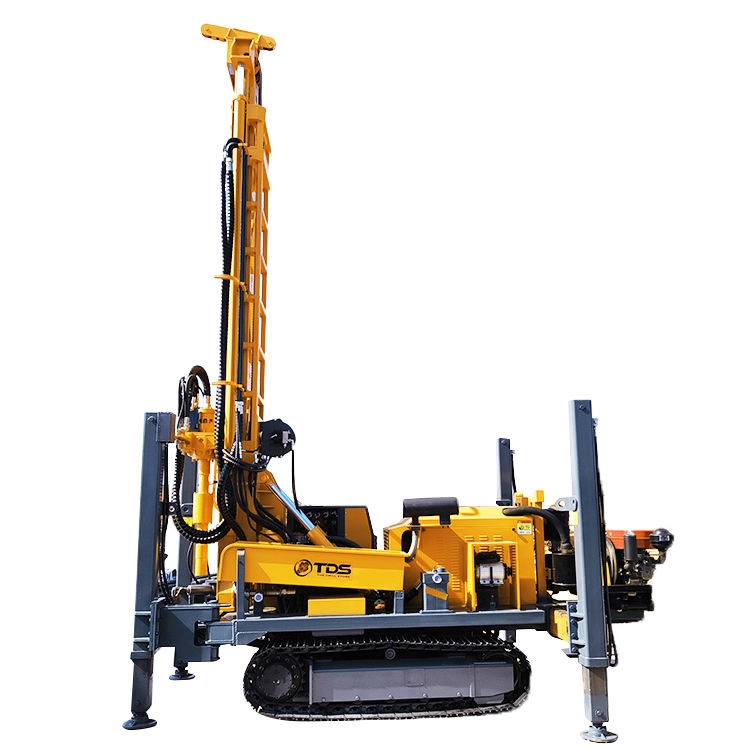
TDS (The Drill Store) has earned a strong name as a trusted supplier of tough, high-performing exploration and blasthole drill rigs. That same quality carries straight over into water well work. Since 2018, with factories in China and customers spread worldwide, TDS ships complete drilling setups—rigs, mud pumps, drill bits, air compressors—built to last and work hard.
What really stands out is their deep experience in drilling design, strict build checks, and serious after-sales help. Their water well drilling rigs cover a broad spread (180 m up to 1000 m depths, hole sizes from 90 mm to 800 mm). You get high-torque heads, powerful winches, and engine choices that tackle everything from quick shallow wells to deep farm or commercial holes. TDS keeps prices fair without skimping on construction. Plus they offer worldwide service so your rigs stay busy no matter where the next contract takes you.
Conclusion
Growing your drilling fleet with the right water well drilling rig isn’t about snagging the biggest or the cheapest machine out there. It’s about lining up the gear with the jobs you actually chase, the skill your crew brings, the ground you’ll hit, and the profits you want to keep year after year. Get those pieces right, and expansion turns into real growth instead of a headache. Take the time to map your upcoming work. Talk specs with operators who’ve been there. Pick a supplier that stands behind what they sell. Do it properly, and those new rigs will keep paying off for a long time.
FAQs
What depth range should I target when adding a water well drilling rig to my fleet?
Shoot for rigs that go 20–30% deeper than your current and near-future jobs. Bidding on 400 m wells? Grab models rated 500–600 m or more. That extra reach handles harder rock layers without forcing you to upgrade again soon.
How important is torque and lifting force in a water well drilling rig for expansion?
Pretty darn important. Deeper holes need strong torque (10,000 Nm and up) to spin through tough ground plus good lifting power (25 tons or higher) to yank free stuck pipe. Cut corners here and you’ll deal with constant stalls or risky situations on bigger jobs.
Should I buy compact or heavy-duty water well drilling rigs when growing operations?
Depends on your mix of work. If most jobs stay under 300 m and access is tight, compact rigs save time on moving and setup. If you’re stepping up to deeper farm or city contracts, heavy-duty models (600 m+) open doors to bigger bids and more flexibility.
What role does after-sales support play in choosing a water well drilling rig supplier?
It’s huge. Every day the rig sits costs you serious money. Pick suppliers with quick parts delivery, fast tech help on the phone or in the field, and solid training. Good backup keeps machines running and customers satisfied.
Can one water well drilling rig handle both shallow and deep wells effectively?
Sure can—if you pick a flexible model. Look for adjustable tower lengths, different pipe sizes, and wide depth ratings. Plenty of mid-to-large rigs cover 200–800 m ranges nicely. That lets you chase a bigger variety of jobs without owning a whole separate set of specialized machines.
 Spanish
  English
  Portuguese
  Russian
  Italian
  German
  French
  Dutch
Dutch  Arabic