
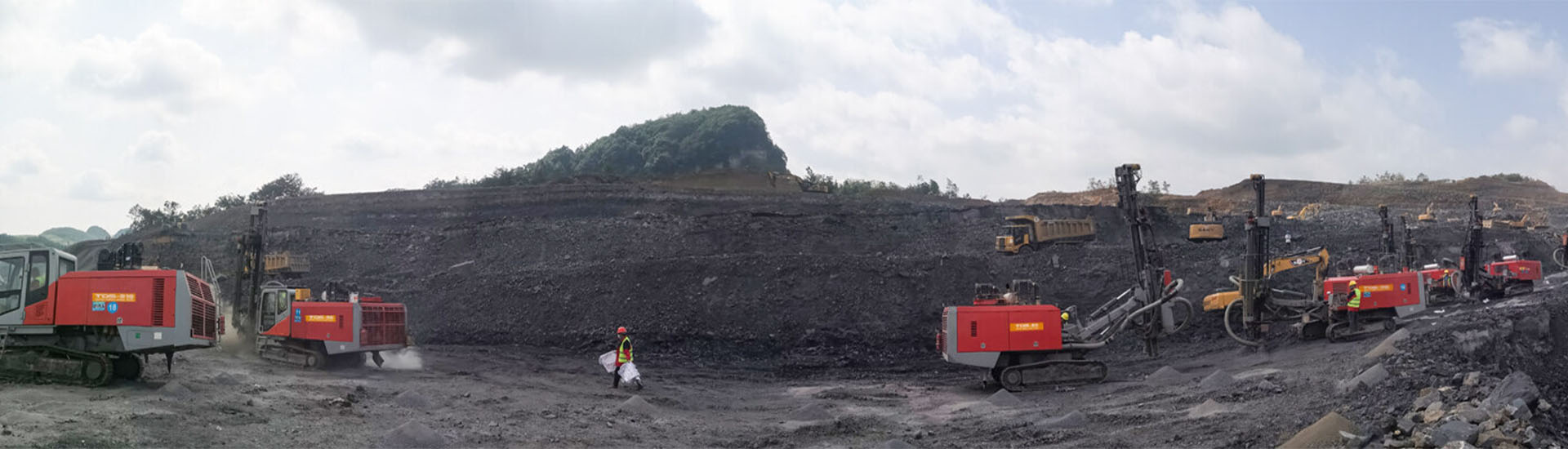
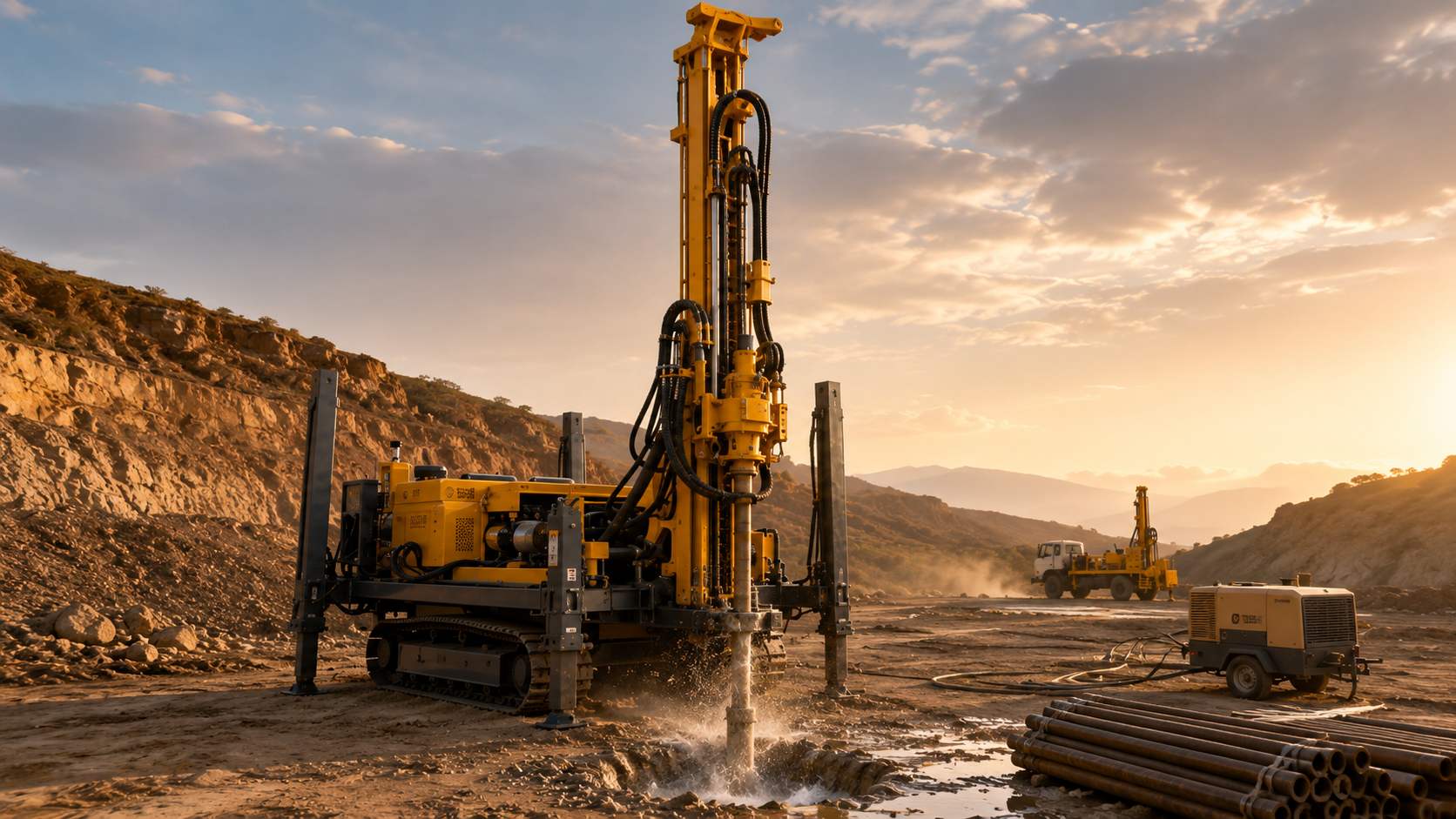
When choosing a deep water well drilling rig, it is not necessary to choose the one that can drill the deepest. Contractors and buyers must consider the designed depth of the well, the final diameter of the hole, the program of casing, geology, and drilling method. In addition, it is vital to check if a compressor or mud system will support such a design. It is irrelevant how good the rig may look on paper; if the diameter is too big for practical deep drilling, the percentage of pullback will be low, and the air package will not clean the well. The best option to buy a drilling rig is to plan the well and then look for the complete package for drilling.
How Much Drilling Depth Should a Deep-Well Rig Really Have?
Depth is the first criterion by which a potential buyer will judge your equipment, but it should be regarded as a working requirement, not a limitation. A 500 m. project does not necessarily require a machine marked “500 m.” because the depth is dependent upon the size of drill-pipe used, the diameter of the hole, casing, geology and method of drilling.
Separate Planned Depth From Routine Working Depth
Start by listing the normal hole depth and the deepest expected hole. If most contracts are around 300–350 m and only a few reach 500 m, the selection logic is different from a fleet expected to drill close to 500 m every week. Routine work near the upper end of a machine’s range deserves more reserve for rod weight, borehole friction, casing, and recovery.
When comparing a water well drilling rig category, ask suppliers to state the depth rating together with drill-pipe diameter, drilling method, and the hole diameter assumed for that rating. That single request prevents a broad maximum-depth figure from being mistaken for everyday capacity.
How Does Hole Diameter Change the Rig and Tooling Requirements?
Hole diameter has a significant effect on the choice of drill bits. A change in hole diameter has an effect on removal of cuttings, annular space, casing program, flushing demand, and torque needed to maintain drilling operations.
Work Backward From the Finished Well Design
Begin with the casing and screen dimensions required by the finished well, then establish the bore diameter needed around them. Deep wells often use more than one diameter because the upper section may need larger casing while the lower production zone can be drilled smaller. A useful overview of drilling structure and diameter changes explains that borehole design includes diameter changes, casing layers, pipe dimensions, and change depths. (thedrillstore.com)
This is why maximum hole diameter should never be compared by itself. A rig may be capable of a large opening diameter but not maintain that diameter economically to maximum depth. Buyers should ask what diameter is practical at the target depth, with which drill pipe, and under which drilling method.
How Should Compressor Capacity Be Matched to Deep DTH Water Well Drilling?
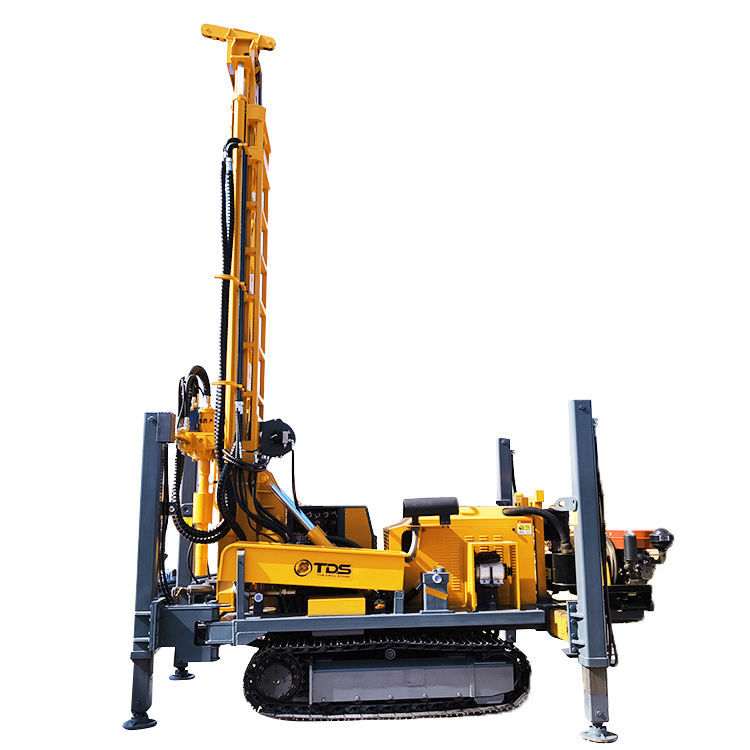
For DTH drilling, the compressor is part of the drilling system, not an accessory added after the rig has been chosen. It has two jobs: supplying the hammer with the pressure and airflow it requires and moving cuttings back to the surface through the annular space.
Match the Hammer First, Then Check the Hole
Begin with the hammer manufacturer’s required operating pressure and air consumption, then check bit diameter, hole depth, drill-pipe diameter, altitude, hose length, and expected groundwater conditions. The separate guide to air compressor selection for DTH drilling also treats pressure, airflow, and depth as linked selection factors rather than independent specifications. (thedrillstore.com)
An undersized compressor may run the hammer yet still clean the hole poorly as depth and diameter increase. Oversizing also adds purchase cost, fuel demand, transport weight, and service needs. Procurement teams should ask for the proposed hammer model, compressor pressure, rated airflow, and the basis used to match them.
Which Specifications Should Buyers Compare Before Shortlisting a Rig?
Once the well design and drilling method are clear, buyers can compare rigs on a common basis. A useful specification sheet shows how depth, torque, pullback, drill pipe, mast, and flushing equipment work together for the intended job.
Compare the Complete Operating Package
The table below can be used when reviewing supplier quotations.
| Parametri | What to Confirm | Why It Matters |
|---|---|---|
| Rated drilling depth | Drill-pipe size and drilling method | Shows whether the depth figure matches the project |
| Hole diameter range | Practical diameter at target depth | Avoids relying on a theoretical maximum |
| Maximum torque | Torque with usable rotation range | Important for larger tools and difficult ground |
| Pullback / lifting force | Margin for drill string and recovery | Becomes more important as depth increases |
| Drill-pipe size and length | Supported pipe and handling method | Affects depth, airflow, and rod-changing time |
| Compressor or mud pump | Pressure, airflow, or pump output | Determines flushing and tool compatibility |
| Machine weight and dimensions | Transport and pad requirements | Affects mobilization and site access |
Specifications should also be checked together. Torque without rotation speed is incomplete, just as compressor pressure without airflow is incomplete. A quotation should explain the configuration behind its maximum figures.
What Should Contractors Confirm Before Ordering a Deep-Well Drilling Package?
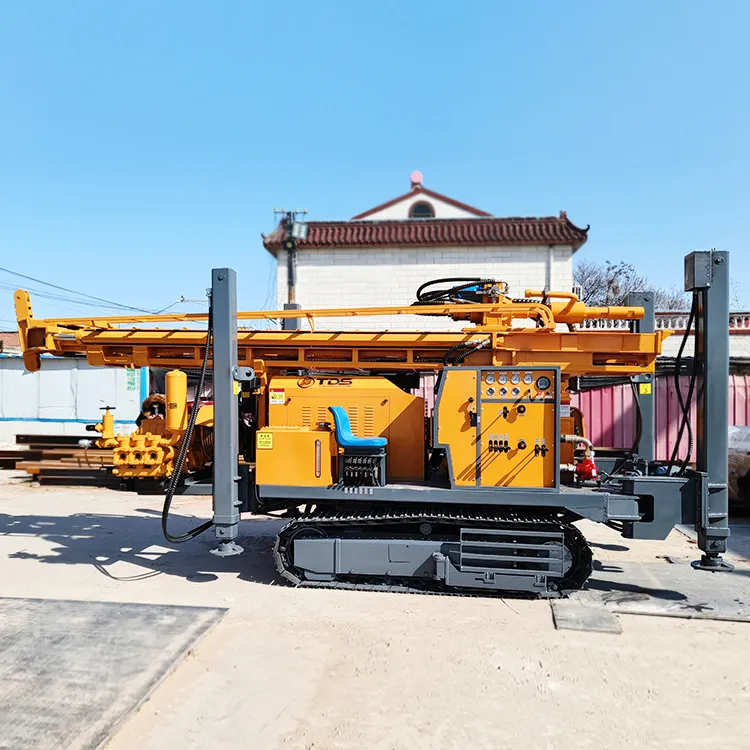
A suitable rig can still cause delays if the purchase order omits tools, hoses, casing equipment, filters, or spares. Before ordering, convert the planned borehole into a short technical data sheet and ask the supplier to respond to every line.
Use a Pre-Purchase Checklist
Confirm expected and maximum depth, finished bore diameter, casing program, geology, and which of the DTH, mud rotary, or a combination will be used. Then check drill-pipe size and lengths, hammer or bit sizes, compressor or mud-pump capacities, transportation dimensions, machine weights, and the space required to set up the equipment.
The quotation should state clearly what is and is not included. Air-hose reels, drill-pipe, hammers, bits, casing tools, filters, lubricants, seals, or spares spares may need to be purchased additionally. Where access is difficult, the guide to water well drilling in mountainous terrain can help buyers add mobility and transport questions to the same checklist.
How Can TDS Support Deep Water Well Rig Selection?
Beijing The Drill Store Machinery Equipment Co., Ltd. (TDS) supplies drilling rigs, compressors, tools, and supporting equipment for water-well, mining, exploration, and construction projects. For contractors working on deep water wells, TDS mainly recommends its crawler-mounted water well drilling rig range, which includes models from TDS180mini and TDS180R/S through TDS1000S. Throughout the catalog, the drills have a range of depths from 180 to 1000 m, diameters from 90 to 800 mm, torque from 4000 to 20000 Nm, lift from 12 to 52 t, and drill-pipe sizes of 76, 89, 102, and 114 mm. These are general specifications, and it is essential to pay particular attention to the choice of a crawler rig that would deliver the best performance in terms of depth, diameter, geology, drilling system, compressors, and pumps.
Conclusion
A deep water well drilling rig should be selected from the finished well backward. Define the normal and maximum depth establish the bore and casing diameters select the drilling method and then check that the rig drill string compressor or mud pump and support equipment form a workable package. Comparing complete configurations instead of headline ratings helps avoid undersized equipment and unnecessary capacity. The next step is to send suppliers a one-page borehole data sheet and request an exact machine configuration, tooling list, flushing package, spare-parts recommendation, and exclusions.
FAQs
1. How Much Extra Depth Capacity Should a Deep Water Well Rig Have?
There is no universal percentage. The required margin depends on drill-pipe size, bore diameter, geology, casing, hole condition, and how often the machine will work close to the project’s maximum depth.
2. Does a Larger Bore Diameter Always Require a Larger Rig?
Not always, but larger diameters generally increase torque, flushing, tooling, and casing demands. Buyers should confirm the practical diameter at the planned depth rather than comparing maximum diameter alone.
3. How Should Compressor Capacity Be Chosen for DTH Water Well Drilling?
Start with the hammer manufacturer’s pressure and airflow requirements, then account for bit diameter, hole depth, drill pipe, altitude, air-line losses, and expected groundwater conditions.
4. Can One Rig Be Used for Both DTH and Mud Rotary Drilling?
Some hydraulic water well rigs can support both methods when equipped with the correct compressor, mud pump, tooling, and controls. Compatibility should be confirmed for the exact configuration before purchase.
5. What Information Should Be Sent to a Supplier Before Requesting a Quote?
Provide normal and maximum depth, bore and casing diameters, geology, drilling method, site elevation, access conditions, preferred drill-pipe size, number of wells, and available support equipment. Ask the supplier to return the exact rig configuration and a clear list of included and excluded items.
 Italian
  English
  Portuguese
  Spanish
  Russian
  German
  French
  Dutch
Dutch  Arabic