
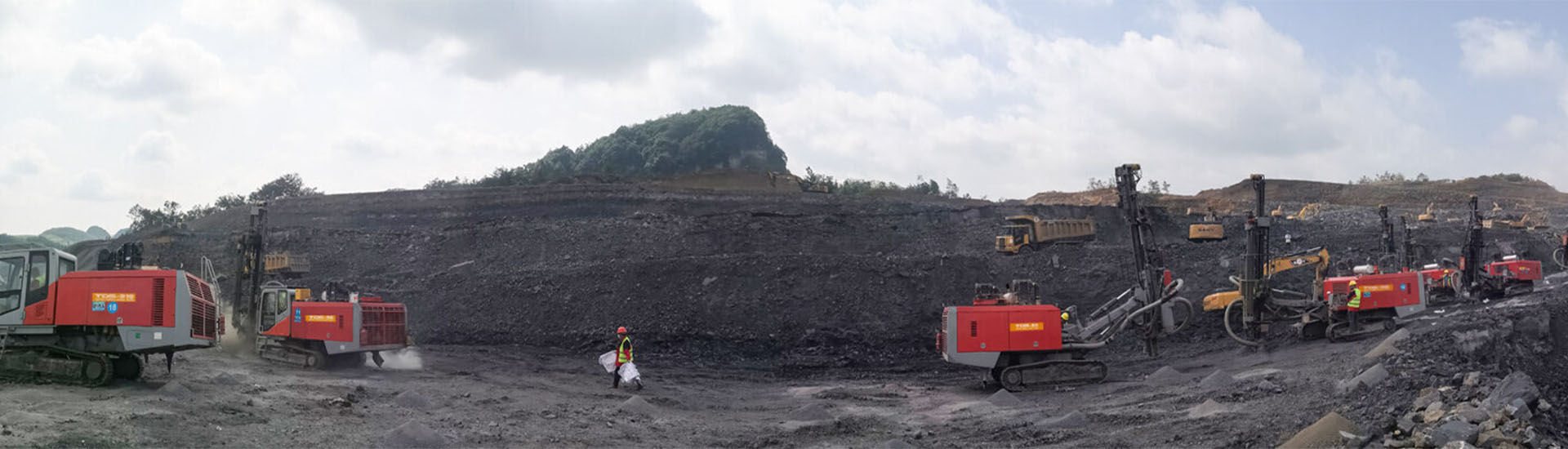
Picking a water well drilling rig begins with the well plan. It does not start with a single catalogue number. Target depth and final hole diameter matter greatly. Casing work, site access, and moving frequency also play big roles. All these factors decide if a machine works well on your site.
This guide shows how to narrow down the TDS rig range. It helps you compare published specifications and write a clear enquiry. Contractors and buyers will find this useful. It helps them match one delivered rig configuration to a specific water well programme.
What Are the Requirements of the Well Programme?
You must pick a rig based on your work programme. Daily drilling patterns directly change a machine’s practical capacity. A rural water contractor uses the same water well drilling rig differently than an irrigation contractor. A geothermal contractor will have yet another approach.
Match the rig to the normal workload
A rural water contractor might drill several medium-depth wells. They often move the rig every day. An irrigation contractor usually stays longer at each site. Meanwhile, a geothermal programme focuses heavily on depth and repeated lifting. You should look at the wells that fill most of your schedule. Do not focus only on one highly difficult hole.
Record your normal depth and your maximum planned depth separately. Next, note the final diameter and any enlarged intervals. Include the casing plan, expected ground formation, drilling angle, and total hole count. The number of site moves is also crucial. A machine might spend hours travelling between collars. Therefore, you must judge it by its entire work cycle.
Check the access route before shortlisting
You need to measure road width and turning space. Check overhead clearance, ground support, and the setup area. The machine has to reach the collar safely. It must stand securely and leave easily after finishing the hole. The water well drilling rig category shows the general equipment family. However, your final quotation must clearly name the exact individual machine.
How Must Depth Influence the Model Selection List?
Depth acts as a helpful first filter. Still, a broad family range cannot define the true performance of every delivered configuration. You must look at the model, diameter, and ground formation together.
Use depth bands for the first discussion
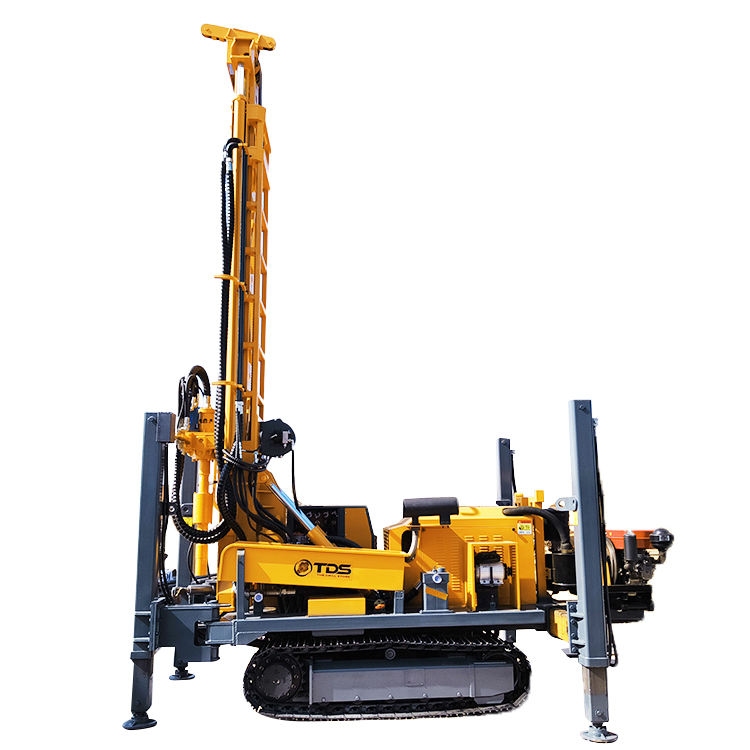
TDS offers models from the TDS180mini to the TDS1000S. The lineup includes the TDS200R/S, TDS260R/S, TDS280S, and other setups in between. For your early talks, group your programme into depth bands. Use 180–300 m, 300–600 m, and 600–1000 m categories.
These bands simply describe your workload. They never replace the actual specification of a single machine. Suppose your programme mostly features 250 m wells. The quote should target that normal workload. This remains true even if one hole goes much deeper. A contractor who drills deep wells every week requires a totally different capacity balance.
Ask for the rating behind the number
Always ask for specific details when requesting a quote. Get the exact model and its rated depth. Confirm the planned diameter and the ground formation tied to that rating. The phrase “180–1000 m” merely outlines a family range. It completely fails to confirm what one specific machine can achieve at a set diameter.
What Is the Change in Final Diameter?
The final diameter links directly to the well design and completion plan. You should review it alongside depth and casing requirements. The sequence of drilling stages is equally important.
Separate regular sections from enlarged intervals
TDS advertises a 90–800 mm drilling diameter range. A short enlarged section creates totally different demands compared to drilling the whole well at maximum size. You must list every planned section in your enquiry. This allows the supplier to properly check torque and lifting force. They can also evaluate motor load and overall cycle time.
Compare the published figures with the quotation
Il TDS Water Well Drilling Rig page offers a handy starting table:
| Comparison point | Published TDS information | Point to verify in the quotation |
| Model family | TDS180mini to TDS1000S, including R/S and S configurations | Exact model and final delivered configuration |
| Profondità di foratura | 180–1000 m | Rated depth for the needed diameter and ground formation |
| Drilling diameter | 90–800 mm | Check if the model handles every planned hole section |
| Motor | 55–264 kW; Yunnei, Yuchai, and Cummins brand options | Chosen engine, local service coverage, and spare parts plan |
| Maximum lifting force | 12–52 tons | Match with casing weight and pipe handling sequence |
| Maximum torque | 4000–20000 Nm | Available torque for your proposed drilling programme |
| Tower height | 3.3, 4.5, or 6.6 m | Overhead clearance at the actual setup point |
| Machine weight | 2.8–17.5 tons | Transport route limits, ground bearing capacity, and unloading plan |
This table helps guide your purchase discussion. However, it does not act as a complete combination chart for every single model and option.
When Is It Sensible to Use a Vehicle-Mounted Rig?
A vehicle-mounted rig makes sense for specific jobs. It is ideal when your programme involves regular road travel. It also suits scattered sites or tough terrain. The best choice depends heavily on your travel route. The number of site moves matters just as much as raw drilling capacity.
Review route and relocation time
Il TDS Vehicle-mounted Water Well Drilling Rig works well in mountainous and rocky areas. It features all-terrain movement. It also supports self-loading and unloading. The available models range from the TDS180T to the TDS1000T.
You must check road gradients and path widths. Look at bridge weight limits and turning areas. Note the travel distance between wells. A programme with constant moves gains huge benefits from faster relocation times. This speed often beats having unused extra capacity.
Prepare a site record
Take photos of the travel route for a crawler or other self-contained setup. Measure the main working surface carefully. Next, sketch the exact path to the collar. This provides the supplier with highly practical information. They can then discuss the chassis and site setup conditions accurately.
How Should Power and Lifting Figures Be Compared?
You must read motor power, torque, and lifting force as a complete set. The largest number is not always the best choice. It might not fit a medium-depth programme well.
Balance capacity with daily use
TDS shows motor options ranging from 55 to 264 kW. They offer maximum torque from 4000 to 20000 Nm. The maximum lifting force spans from 12 to 52 tons. You need to explain your mix of wells clearly. This helps the supplier balance deep-hole capacity against your normal daily use.
Confirm engine support
Always verify the chosen engine brand. Check the local service coverage in your area. Make sure maintenance parts and delivery support exist in the region where the rig operates.
What Should the Supplier Confirm Before the Order?
A detailed enquiry lowers the risk of comparing incomplete quotations. Your message must describe the well programme clearly. It also needs to state the physical limits at the site.
Send the project information once
Provide your normal and maximum depth targets. State the final diameter and any enlarged intervals. Detail the ground formation and access route. Include the drilling angle, casing plan, and expected site moves. Mention your chassis preference and available overhead height. Finally, list transport limits and local service needs.
Request one delivered configuration
Ask the supplier for the exact model and engine type. Request the rated depth and diameter. Demand clear numbers for torque, lifting force, tower height, and total machine weight. Check the list of included equipment and the quotation validity period. The Drill Store supplies detailed company information. Meanwhile, their product pages help you build an initial model shortlist.
Final Thoughts
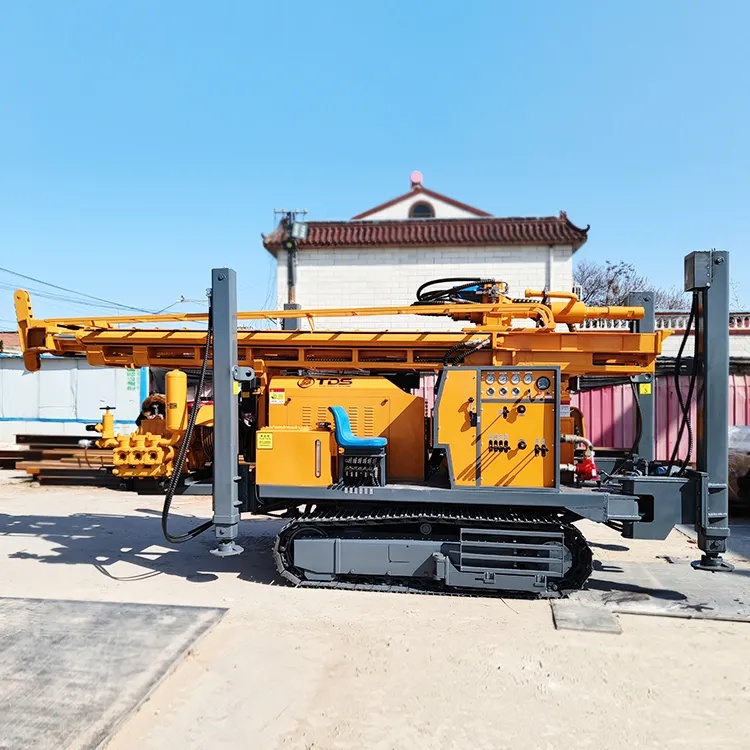
Pick a water well drilling rig based on its repeated daily work. First, check the required depth, diameter, site access, and relocation needs. After that, compare motor power, torque, and lifting force. Look at tower height and machine weight too. TDS shows broad ranges from 180–1000 m and 90–800 mm. However, your final quotation must identify one specific configuration tailored for your actual well programme.
FAQs
Which Depth Range Is Covered by the TDS Water Well Rig Family?
The advertised family range spans from 180 to 1000 m. You must confirm the selected model rating. Ensure it matches your planned diameter and ground formation.
Which Range of Drilling Diameters Is Provided?
TDS lists diameters from 90 to 800 mm. You should ask the supplier a direct question. Find out which model can hit your required diameter at the target depth.
When Should a Vehicle-Mounted Water Well Rig Be Considered?
Think about this option for repeated road moves. It works perfectly for scattered sites. It also handles mountainous and rocky access paths well. Always confirm your travel route before ordering. Check the setup space and transport limits carefully.
 Italian
 English
 Portuguese
 Spanish
 Russian
 German
 French
 Dutch
 Arabic