
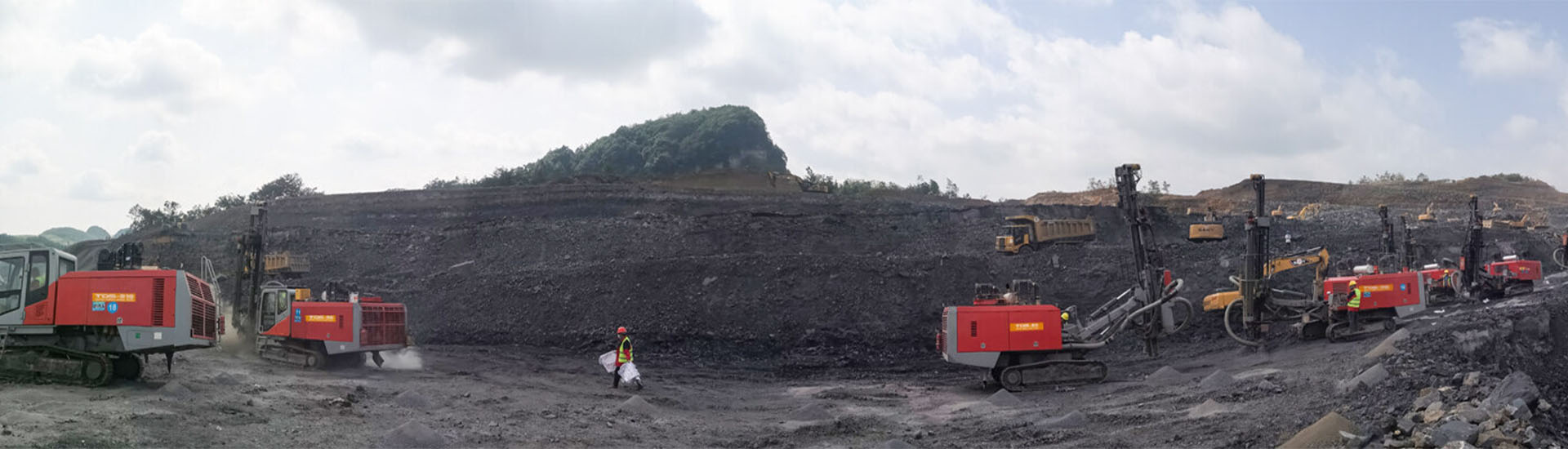
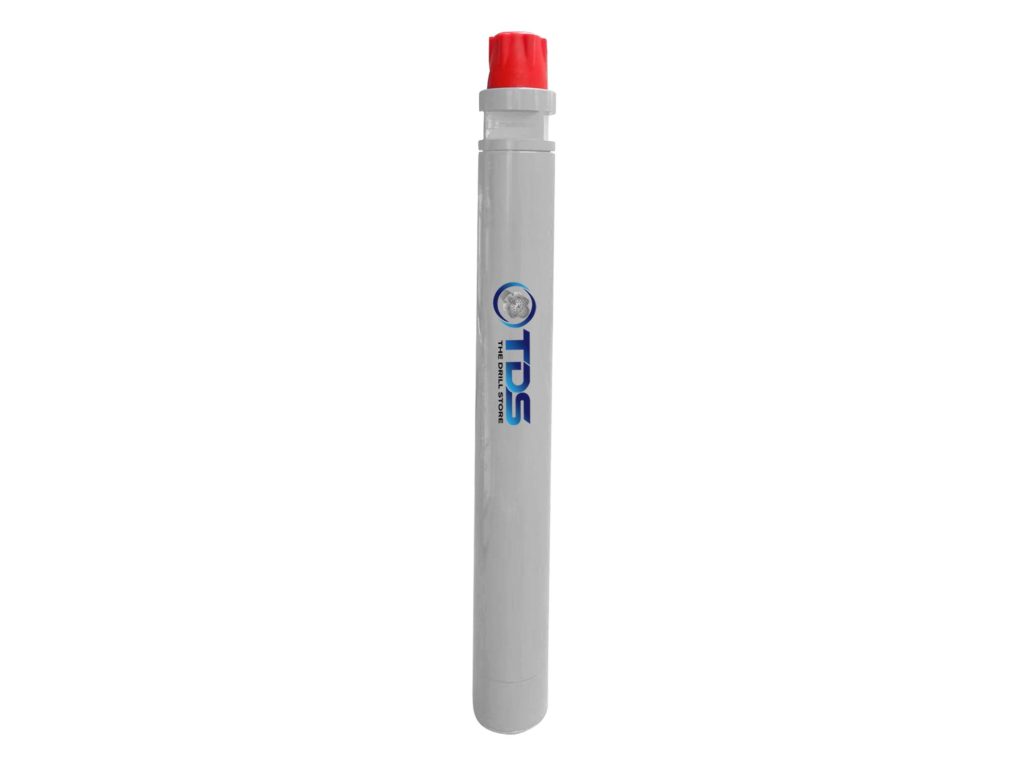
Picking the right DTH hammer is one of the the quickest ways to cut your drilling cost per meter. This works well in mining and water well operations. Many buyers still only focus on the initial price. They pick the lowest priced option. Then they run into more downtime. They face too much air use. Bits need changing more often. And they deal with surprise maintenance costs.
The number that really counts is not the sticker price. It is the total cost to drill each meter over the hammer’s entire working life. If you get this wrong, even a low priced DTH hammer can slowly push up your budget. You might not notice it right away.
This DTH hammer selection guide lays out the four key performance metrics. Experienced procurement teams use them to figure out the true ROI. It is practical. You can plug your own numbers straight into the formulas. Real field examples show exactly where the differences show up.
Why Upfront Price Misleads Most Buyers
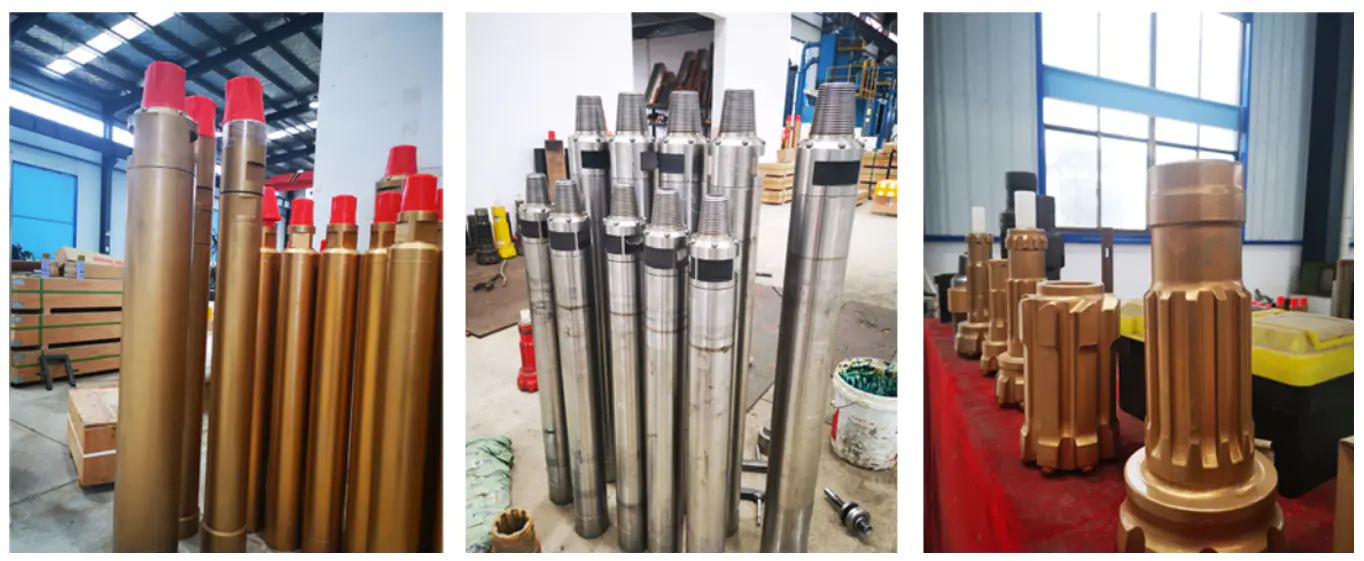
Two hammers can look almost the same on paper. One costs about 15% less. So it wins the bid. Six weeks later the crew starts complaining. Progress slows in medium hard limestone. The compressor runs overtime. Bits need swapping every 80 hours instead of 120. That initial saving disappears fast.
Job site experience proves the same lesson every time. The purchase price usually makes up less than 20% of the total cost per drilled meter. The rest comes from fuel, man hours, bit changes, unplanned stops, and routine upkeep. If you only chase the lowest tag, you miss the hidden losses. These losses pile up quickly when the rig runs day after day.
Common Pitfalls in DTH Hammer Selection
Even experienced buyers make several common mistakes when they choose a DTH hammer. One frequent error is ignoring compressor compatibility. They select a model that demands more air volume than the rig can reliably deliver. This causes overheating. It shortens service life. Another mistake is overlooking bit shank compatibility. The options include COP, DHD, SD, QL, or MISSION series. This limits replacement options. It drives up long term bit costs. Some buyers also underestimate ease of maintenance. This is especially true on remote sites. Every hour of downtime is expensive there. Finally, assuming all hammers perform the same no matter the rock type often leads to poor energy transfer. It results in disappointing penetration rates. By evaluating the four key metrics against your actual geology, compressor specs, and operating conditions, you avoid these pitfalls. You secure measurable cost savings.
Metric 1: Penetration Rate (Meters per Hour)
Penetration rate tells you how quickly the hammer cuts through the rock. In tough ground, a well built DTH hammer keeps a steady pace. This happens because impact energy transfers directly to the bit at the bottom of the hole.
In medium hard rock with compressive strength around 150 to 200 MPa, solid numbers usually fall between 25 and 40 meters per hour. This is when air pressure is right.
Slower speeds often signal weak energy transfer. Or the piston does not match the job. In one granite blasthole project, switching to a hammer with smoother internal airflow raised average speed from 18 m/h to 32 m/h. The crew finished the pattern two days early. They immediately saw lower fuel burn.
Quick check: Time a test hole over 10 meters. Divide by pure drilling time. Skip rod changes. Track results across the different rock types on your sites.
Metric 2: Air Consumption (Cubic Meters per Minute)
Air is not free. Your compressor burns diesel or pulls electricity to produce it. Hammers that waste air drive those costs higher.
Look for designs that deliver strong impact. They should sip less airflow at the same time. Valveless systems reduce internal restrictions. More energy reaches the bit instead of turning into heat.
The difference shows up fast in the field. A hammer running on 12 to 15 m³/min versus one consuming 18 to 22 m³/min can cut compressor fuel use by 15 to 25% over a long shift. On a site drilling 500 meters a day, those savings add up quickly.
Tip: Always match the hammer to what your compressor actually delivers. Running it at the limit creates extra heat. It shortens life.
Metric 3: Service Life and Maintenance Interval (Hours or Meters Drilled)
A solid DTH hammer keeps performing shift after shift. It has fewer headaches. Simple piston designs with fewer internal parts usually last longer. They disassemble more easily during service.
High quality alloy steel with hardening on critical surfaces resists abrasive rock. It handles constant pounding. Under typical conditions, you can expect 1,200 to 2,500 plus meters of drilled life before a major rebuild. Rock hardness and lubrication discipline affect this number a lot.
Maintenance matters as much as the build. Designs that open quickly reduce teardown time from hours to under 30 minutes. Crews that follow the schedule see better results. They do daily lubrication checks. They do piston and cylinder inspections every 200 to 300 hours. Often they double the real working life.
Metric 4: Cost per Meter (The Bottom-Line Number)
This metric ties everything together. Procurement teams use a straightforward formula:
Cost per Meter = (Hammer Purchase Price + Total Maintenance + Bit Costs + Fuel and Labor Tied to the Hammer) ÷ Total Meters Drilled Over Lifetime
Here’s a real example from a mid-size operation:
- Hammer cost: $4,800
- Estimated lifetime: 2,000 meters
- Bits: 4 changes at $650 each = $2,600
- Extra fuel from higher air use: $1,200
- Labor for maintenance: $800
Total cost = $4,800 + $2,600 + $1,200 + $800 = $9,400 Cost per meter = $9,400 ÷ 2,000 m = $4.70 per meter
Now run the same math on a DTH hammer that reaches 2,800 meters. It has lower air consumption and fewer bit changes. Even if it costs $600 more upfront, the cost per meter might drop to $3.85. Over 10,000 meters, you save more than $8,500.
Track this number every month. It quickly reveals which hammers actually deliver value on your sites.
DTH Hammer Selection Criteria for B2B Buyers
When you evaluate options, run through this checklist:
- Rock formation match: Harder or more abrasive ground needs strong energy delivery and wear-resistant materials.
- Compressor compatibility: Verify that air pressure (usually 1.0–2.5 MPa) and volume match the hammer’s requirements.
- Bit shank compatibility:Seek wide support for series like COP, DHD, SD, QL, or MISSION so you keep replacement options open.
- Ease of service: Can your crew disassemble and reassemble it quickly on site?
- Lubrication needs:Lower oil consumption cuts both cost and mess.
- Overall build: Hardened alloy steel parts plus smooth internal flow reduce breakdowns.
Don’t fall for the absolute cheapest option. A hammer that fails mid-shift on a remote site creates far bigger problems than paying a bit more upfront.
How TDS Delivers High-Performance Drilling Solutions
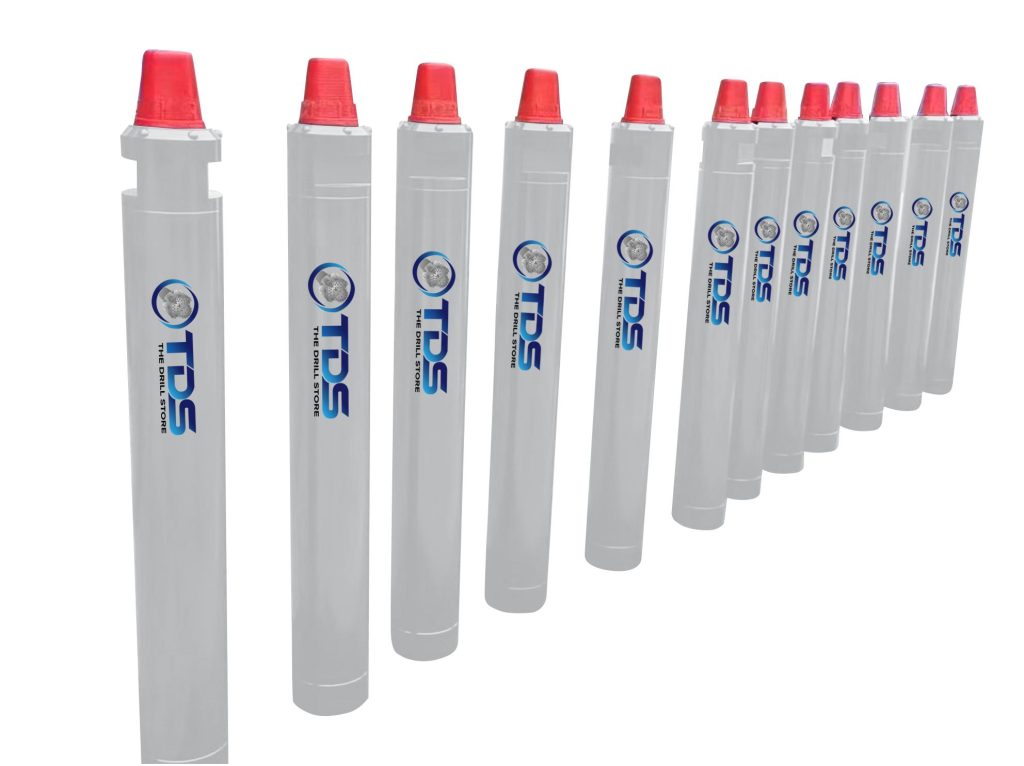
ТДС has built a reputation supplying tough, high-performance exploration and blasthole drill rigs plus the tools that keep them productive. With manufacturing focused on tight quality control and nearly twenty years of combined R&D experience, the team truly understands the daily demands of surface mining and water well projects.
Their DTH hammers feature a clean piston layout. It directs more energy straight to the bit. It keeps the internal design simple. The result is faster drilling speeds. It has noticeably lower air and oil consumption. It also has longer intervals between services in everyday conditions. Hardened alloy steel construction and emphasis on quick maintenance keep rigs running. They avoid sitting idle for repairs. For procurement teams seeking consistent results without constant surprises, TDS offers practical, field tested choices. They are backed by solid support .
Conclusion
Picking a DTH hammer based only on the listed price is like judging a truck by its window sticker alone. You miss the real cost of keeping it running day after day. When you focus on penetration rate, air consumption, service life, and especially cost per meter, you finally see the complete picture of actual ROI.
Run the numbers against your own projects. Test different hammers under your typical conditions when possible. The difference between an average hammer and one built for steady efficiency usually appears in the first few thousand meters. It keeps delivering savings for the rest of its working life.
Ready to bring your drilling costs per meter down? Reach out to the TDS team today. Share your rock types, compressor specifications, common hole depths, and site specific conditions with them. Our experts can help match you with the perfect DTH hammer solution tailored to your operations. It delivers stronger output, lower costs, and better returns on every job.
FAQs
How do I figure the real cost per meter for a DTH hammer on my own site?
Add up all ownership costs—purchase price, bits, fuel, and maintenance. Then divide by the total meters you actually drill. Keep good records for at least 500 to 1,000 meters so the averages feel solid. Adjust for how hard your rock runs and how many hours you push each day.
What air pressure range usually works best for DTH hammers in blasthole drilling?
Medium to high pressure, around 1.4 to 2.5 MPa, often delivers the strongest hits and quickest penetration in hard rock. Match it closely to what your compressor can put out. Too low slows everything down. Too high wears parts out faster.
Does a more expensive DTH hammer always deliver better ROI?
Not every single time. But ones with better energy use, lower air draw, and longer life usually do once you run the full numbers. The trick is matching the tool to your geology and rig setup.
How often should crews service a DTH hammer to get the most life out of it?
Check lubrication every single day. Do a full inspection every 200 to 300 drilling hours. Simple designs that come apart easily make this routine quicker. They also lower the chance of small problems turning into big failures later.
Can one DTH hammer handle both exploration drilling and regular blasthole production work?
Many flexible models handle both jobs pretty well, especially when paired with the right bits. Focus on hammers built with tough hardened parts and efficient airflow. They adapt better to the changing depths and formations you run into in mixed operations.
 Russian
  English
  Portuguese
  Spanish
  Italian
  German
  French
  Dutch
Dutch  Arabic