
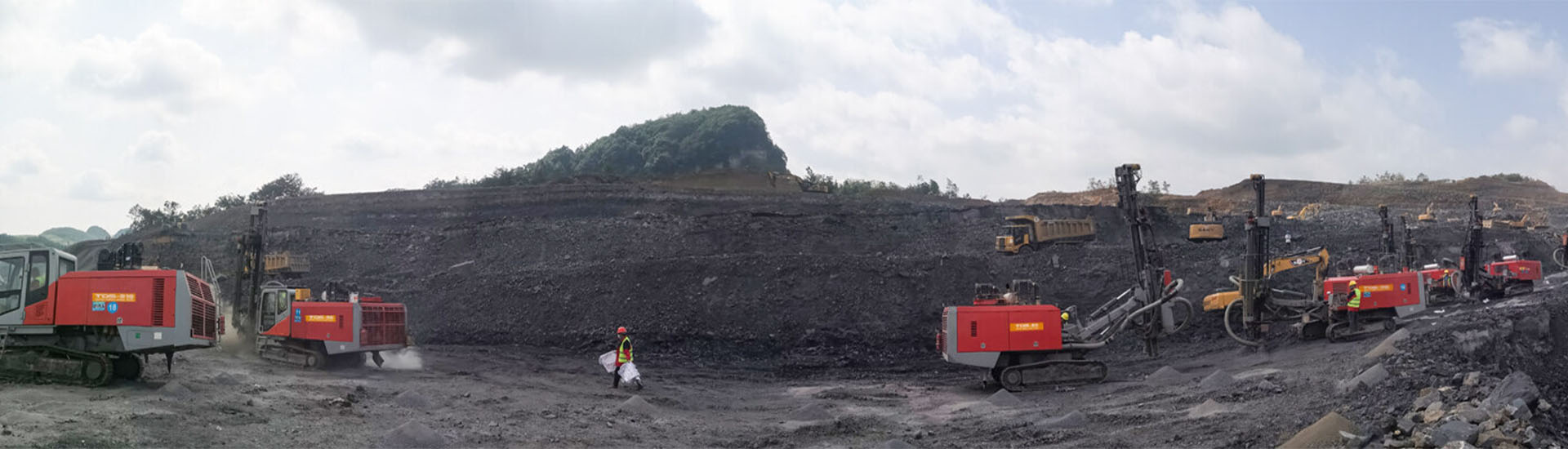
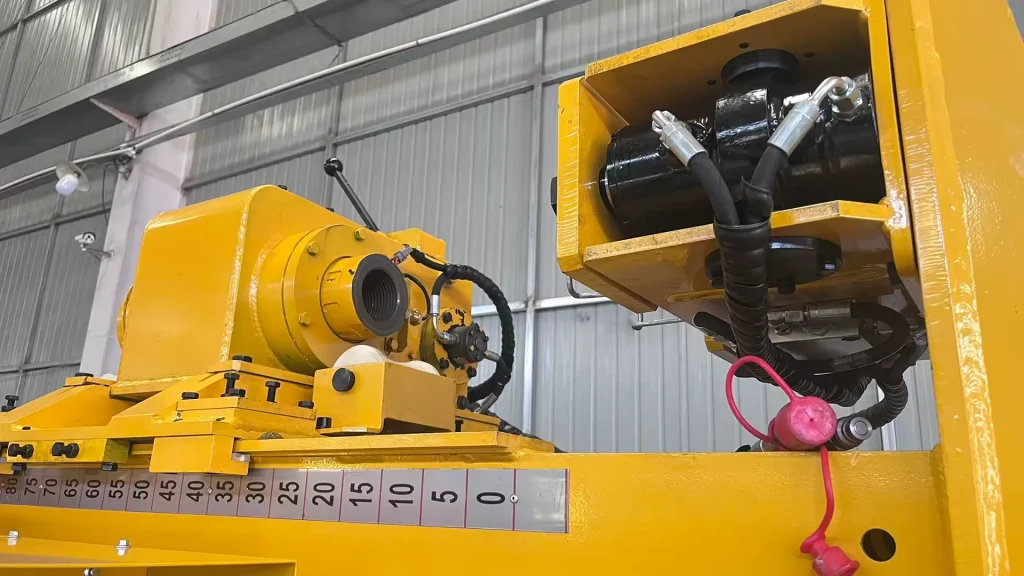
Selecting the proper surface core drilling rig can determine the success of your exploration effort. If you invest too little at the start, you could deal with frequent failures in tough landscapes. On the other hand, if you opt for extra capabilities you do not require, your expenses will rise quickly.
For teams in mineral exploration at isolated locations, the choice often hinges on three main aspects. These include basic output in the field, overall expense that covers extended ownership, and the speed of obtaining components and assistance when issues arise.
Models like the C1000 and others in the TDS surface core drilling rig series offer users a solid choice. This balance comes in power, dependability, and worth. It avoids the high cost that certain major brands demand.
What Matters Most When Selecting a Surface Core Drilling Rig
Surface core drilling requires gear that manages various materials, from loose topsoil to solid stone layers. At the same time, it must produce clear, precise core samples. Factors such as depth potential, turning force, push strength, and simple handling all contribute.
In actual use, operators frequently test rigs to depths of 800–1200 meters or deeper, based on the resource. A machine that keeps steady spinning and lifting without much shaking helps achieve high core retrieval rates. These can exceed 95% in stable formations. Interruptions from fluid system problems or pipe management troubles reduce the daily progress in drilling. They also delay overall schedules.
Experienced workers check these elements right away:
- Drilling depth and core size range— Most surface efforts require rigs that work well beyond 1000m with PQ, HQ, and NQ tools.
- Power and torque delivery— Robust fuel engines and fluid setups that avoid slowing in difficult conditions.
- Mobility and setup time— Tracked units that shift fast between spots on rough surfaces.
- Operator comfort and safety— Controls that ease tiredness over extended periods.
- Maintenance access— Parts that you can service without dismantling much of the equipment.
Performance Breakdown in Real Conditions
A dependable surface core drilling rig must provide steady drilling speeds. It also needs to safeguard the core material. Take the TDS C1000, for instance. It handles depths up to 1000 meters. Moreover, it manages various hole sizes with good efficiency.
During site trials on varied rock types, machines in this category typically reach 8–15 meters per hour in fairly hard stone. This happens when they are configured correctly. The secret lies in even energy flow from the motor to the turning head. Excess jolts can lead to damaged cores or jammed pipes.
TDS units employ tested fluid designs. These allow fine adjustments to push pressure and spin rate. As a result, operators can keep holes straight. This holds true even if the ground shifts abruptly. Crews value this feature when examining deep objectives.
Fuel savings matter too. A properly adjusted machine can operate through complete shifts. It does so with moderate diesel use. Thus, it keeps daily running costs steady. This suits tight budgets in exploration work.
Price vs. Total Cost of Ownership
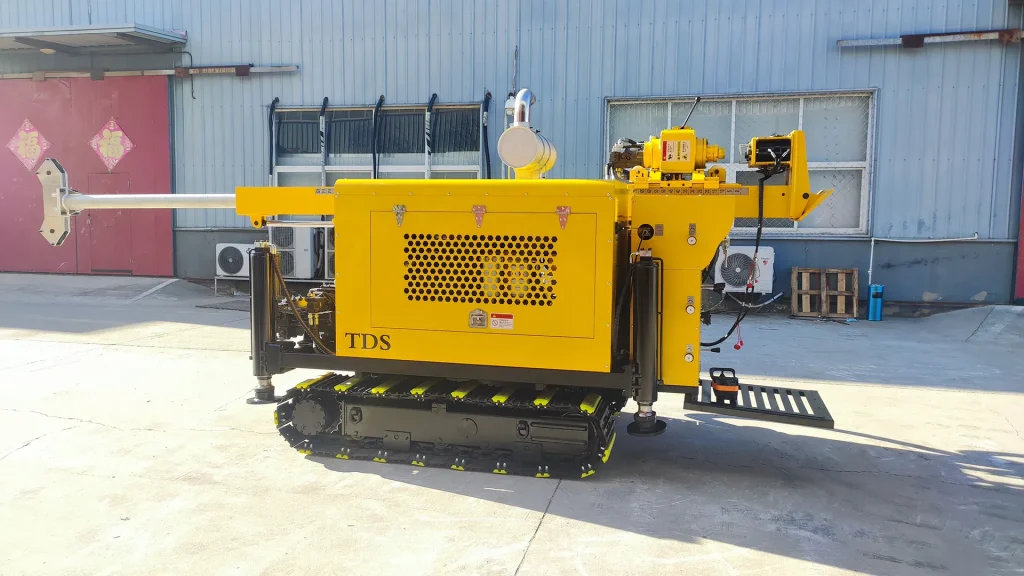
The upfront cost is just one piece of the puzzle. Certain machines seem affordable initially. However, they may consume parts rapidly or remain inactive due to service delays.
Think about these points:
- Starting investment
- Availability and expense of replacement parts
- Projected lifespan under regular operation
- Fuel and upkeep costs per meter drilled
- Value upon resale after 5–7 years
Plenty of users discover that average-level machines with reliable nearby help end up cheaper over a 5-year job. This is true compared to elite versions that face delays in getting supplies. A unit that operates effectively 90% of the time often recovers its cost sooner. It does so faster than a more advanced one that experiences frequent stops.
After-Sales Support and Long-Term Reliability
Few things harm output more than waiting weeks for an essential fluid pump or turning seal. Projects around the world demand providers who deliver supplies fast. Or they need experts who know the device thoroughly.
TDS constructs its rigs with ease of access in focus. Everyday wear parts are made for simple swaps. The firm also runs a consistent worldwide service network. This includes skill-building sessions for on-site groups.
Teams in distant mining areas note that prompt fixes save days. In some cases, they save weeks. This contrasts with delays from international deliveries by bigger producers.
TDS Surface Core Drilling Rigs at a Glance
The TDS range features the C1000, C1300, C1800, C2200, C2500, and CB1000 units. Each one aims at varying depth and strength needs. Yet they all share fundamental build advantages:
- Sturdy tracked base for challenging ground
- High-turning heads fitted for diamond core work
- Improved fluid systems for exact handling
- Flexible parts that ease moving and assembly
These machines are crafted for mineral exploration. In such work, securing trustworthy core samples swiftly is crucial.
Quick Comparison Table for Surface Core Drilling Rig Selection
| Factor | Key Consideration | Typical Benefit for Operators |
| Depth Capability | 800–1200+ meters | Covers most exploration targets in one setup |
| Core Recovery | 90–98% in competent rock | Better geological data, fewer redrills |
| Daily Meters Drilled | 80–150+ meters depending on ground | Faster project completion |
| Maintenance Interval | Accessible components, standard parts | Lower downtime and labor costs |
| Total Ownership Cost | Balanced initial price + support | Strong ROI over 3–5 year projects |
Brief Introduction to TDS
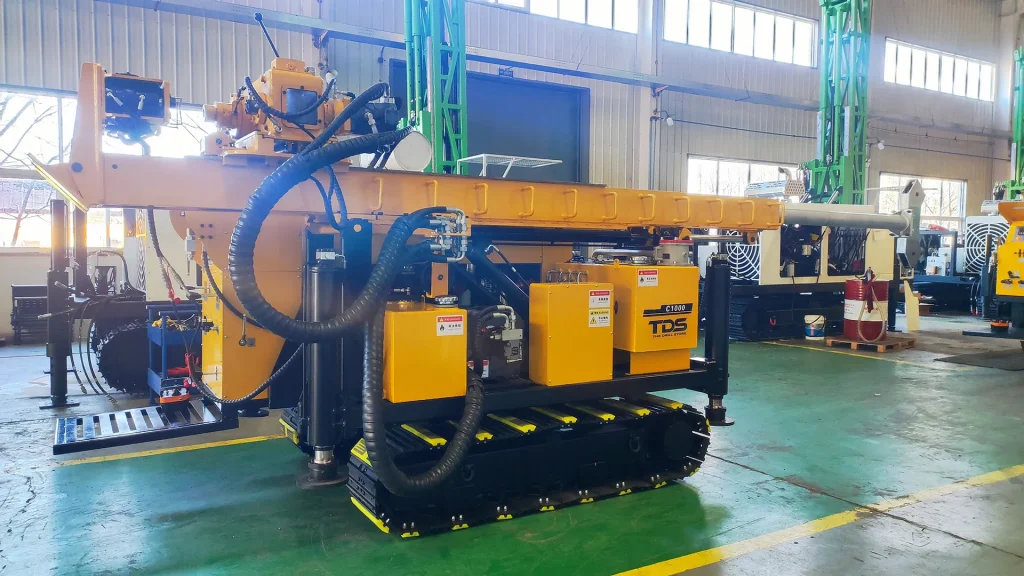
The Drill Store (TDS) supplies high-output, trustworthy exploration and blast hole drill rigs. It started in 2018. Production sites are in Hebei and Zhejiang, China. The company relies on close to twenty years of development know-how in earth and mining tools. TDS focuses on surface core drilling rigs, blast hole drills, water well units, and linked accessories. They provide complete packages. These blend solid gear with supplies to aid builders in cutting planning issues and managing expenses. TDS stresses useful output and worldwide aid. Its equipment is made to yield steady outcomes in harsh site settings on several landmasses.
Conclusion
Picking the correct surface core drilling rig really comes down to aligning the tool’s strengths with your exact task. Consider depth goals, stone varieties, funds, and aid demands. The TDS C-series units deliver an appealing blend of strength, toughness, and affordability. Many exploration groups see that this mix performs well in everyday scenarios. It does so without draining resources.
If you are assessing choices for a coming mineral exploration initiative, spend time reviewing full output and ongoing expenses. Do this instead of focusing only on main specs.
Prepared to locate the ideal match for your upcoming drilling effort? Reach out to the staff at The Drill Store now. Discuss your task needs and obtain full details on the C1000 or other surface core drilling rigs. Our experts can assist in pairing the suitable model to your rock setup and schedule. This way, you begin solidly and remain effective.
FAQs
What depth can a typical surface core drilling rig like the C1000 reach?
The C1000 is built for surface core drilling up to 1000 meters. This makes it fitting for most mineral exploration programs. Those programs require dependable core samples from notable depths.
How important is after-sales support when buying a surface core drilling rig?
It is very important. Fast access to parts and expert guidance keeps your rig active. It prevents it from idling at the site. This directly impacts the monthly drilling progress. It also affects your total task expenses.
Does a higher-priced surface core drilling rig always deliver better performance?
Not always. Plenty of operators learn that units with solid turning force, decent core retrieval, and firm local aid offer superior worth. They lead to lower full ownership expenses than the priciest options.
What features should I look for in a surface core drilling rig for remote sites?
Prioritize tracked movement, simple upkeep entry, fuel savings, and accurate fluid handling. These aid groups in shifting between spots swiftly. They also sustain strong output in demanding landscapes.
Can TDS surface core drilling rigs handle both exploration and some production drilling?
Yes. The C-series models are mainly for exploration core drilling. However, they have the strength and flexibility that many groups use well for earth tech and limited output tasks.
 Arabic
  English
  Portuguese
  Spanish
  Russian
  Italian
  German
  French
  Dutch
Dutch