
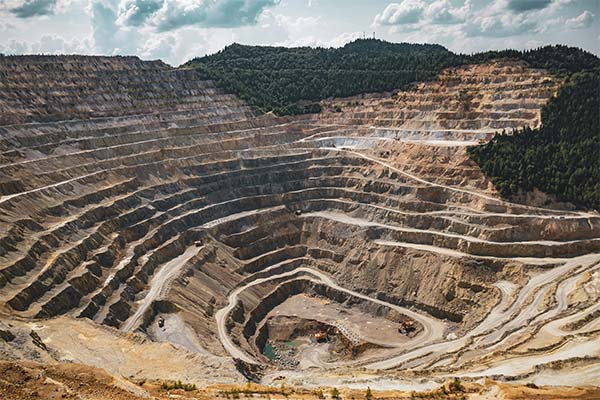
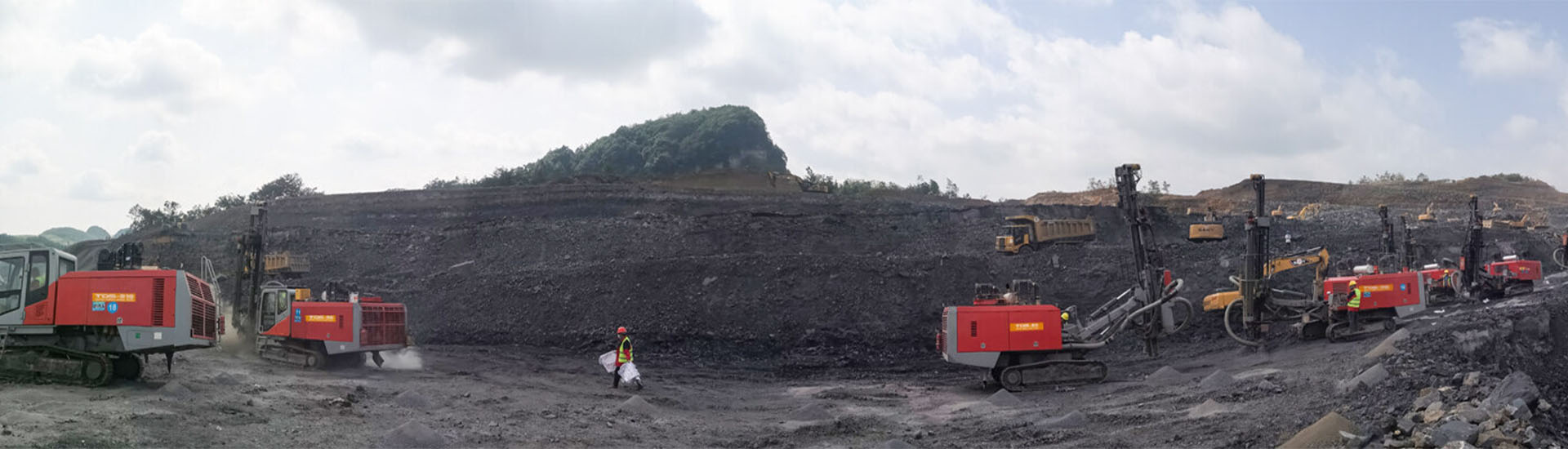
Hey, if you run a business that’s pushing hard to get more water access—like drilling wells for big farms, factories, or whole neighborhoods—you already know one bad choice can mess everything up. Water well drilling rigs aren’t simple machines. They carry your whole project on their back. Pick the right one, and you drill deeper, quicker, and with way fewer headaches. In this post we walk through what really counts: strong output that matches heavy workloads, tough build that stands up to rough days, and smart money sense that keeps costs down over time. Let’s get into it and sort out how to find the best fit for your growing needs.
Understanding the Demands of High-Volume Projects
High-volume commercial drilling feels nothing like putting in a small home well. You face dozens of holes over many months. The ground changes too—from hard rock to loose sand or sticky mud. Picture a decent-sized farm in the Midwest that needs steady water for hundreds of acres of crops. They simply cannot sit idle when the fields start drying out.
Assessing Scale and Terrain Challenges
Start by looking at the real size of your job. How many wells do you plan each week? What’s the usual depth? For busy commercial operations, the drilling rig must be capable of drilling stably at different depths. We have different models of machines, which can reach depths ranging from tens of meters to 1,200 meters. The land itself throws curveballs. Wet fields? Steep hillsides? A solid rig with good tracks and strong outriggers helps a lot. Those hydraulic cylinders lock everything steady. I’ve watched crews in Texas lose whole days because the rig tipped sideways on uneven dirt. Choose models with telescopic beams and pitch cylinders. They let you tilt and adjust angles fast without much fuss.
Matching Rig Types to Your Operations
Not every water well drilling rig works the same way. Rotary types do great on deep, straight holes in softer ground. Down-the-hole setups bite better into solid rock. For serious commercial volume, pick rigs that mix air power with strong hydraulics. These machines drill quicker—sometimes 30m an hour when conditions line up—and they switch between mud and air without trouble. Numbers from field reports show that rigs with solid power heads (think hydraulic motors plus gearboxes) lift efficiency by around 30% when jobs pile up.
Key Factors in Performance
Performance isn’t just speed; it’s about consistent output under pressure. You want a rig that powers through long shifts without flinching.
Engine and Hydraulic Systems
The heart of any rig is its engine and hydraulics. A diesel engine with at least 100 horsepower, paired with a robust hydraulic pump, keeps things moving. Look for systems with multiple pumps—say, three-pump confluence setups—that let you lift and propel at top speeds. In one case I recall from a California water project, a rig with efficient hydraulic valves cut drilling time by 20% because it handled fast lifts without straining the motor.
Power Head and Drilling Mechanisms
The power head, or rotary head, is where the magic happens. It includes gears, bearings, and seals that transfer torque to the drill bit. For high-volume jobs, opt for ones with spline connections for smooth power transfer and air seal rings to prevent leaks. These components reduce wear and keep drilling steady. Plus, features like chain-driven winches and sliders ensure precise control, even at depths over 300 feet.
Here’s a quick comparison of performance features:
| Feature | Benefit for High-Volume Projects | Example Impact |
| Hydraulic Motor | Delivers high torque for faster penetration | Reduces drilling time by 25% |
| Gearbox with Bearings | Ensures smooth operation in varied soils | Minimizes vibrations and breakdowns |
| Chain and Winch System | Allows quick rod changes and lifting | Speeds up setup between wells |
Ensuring Durability in Tough Environments
Durability decides whether your rig lasts through seasons or quits early. Commercial jobs eat machines alive, so build quality really shows.
Frame and Structural Components
Start with the frame: welded steel with reinforcements like support rods and limiters. Wheels or tracks should be rugged, with hydraulic cylinders for outriggers to lock in place on shaky ground. In harsh weather—think Arizona heat or Midwest winters—rigs with sealed hydraulic tanks and condensers (water-cooled or mixed) prevent overheating. One quarry operation I know swapped to a durable rig and cut repair calls by half.
Wear Parts and Maintenance
Every rig has pieces that eventually wear. Air seal rings, bearings, nylon sliders—the usual suspects. Smart designs let you swap them fast. Power heads with bolted joints and strong adhesive seals hold longer. Stick to regular checks. Change hydraulic oil every 200 hours or so, following basic rules. Skip that step and you end up with stuck valves from built-up junk, just like stories field techs tell.
- Daily Checks: Glance at air filters and dust outlets so nothing clogs.
- Weekly Maintenance: Grease outriggers, winches, and gearboxes.
- Monthly Replacements: Swap fine air filter elements to keep the engine breathing easy.
Strong durability means higher uptime. People in the trade say rigs built this way reach 80% running time even on rough projects.
Achieving Cost-Efficiency Without Cutting Corners
No one wants a bargain rig that ends up costing double in fixes. Real cost-efficiency comes from wise spending—lower fuel burn, simple part swaps, and solid savings year after year.
Initial Investment vs. Long-Term Savings
A top-end rig might run $50,000 to $150,000. But count the output. A high-efficiency model finishes more wells daily. It pays itself back quicker. Fuel stays reasonable—maybe 5 to 10 gallons per hour. Add easy-to-reach parts and quick repairs, and operating costs can drop 15-20% across five years.
Operational Efficiencies
Hunt for rigs with clear controls. Pressure gauges show what’s happening. Control cabinets with ammeters help spot issues fast. That shortens training and cuts mistakes. On one Florida commercial job, a crew switched rigs. Better hydraulic circuits trimmed labor costs by 10%. Workers simply got more done with less effort.
Use this short list when you weigh costs:
- Fuel burn rates pulled from engine specs.
- Easy access to spares like seals and filters.
- Warranty that actually covers pumps and motors.
Features That Make a Difference in Commercial Drilling
Beyond the basics, certain extras lift your work. Mud pumps handle wet holes. Foam pumps help on very deep ones. Oil injectors keep impactors slick and extend tool life. Safety matters too—level gauges, clear warning labels, stable carriages cut accident risks.
In everyday use, a rig with three-way valves for pump confluence switches tasks smoothly. Move from drilling to pulling rods without delay. That saves serious time when crews bounce between sites.
Why TDS Stands Out as Your Go-To Supplier
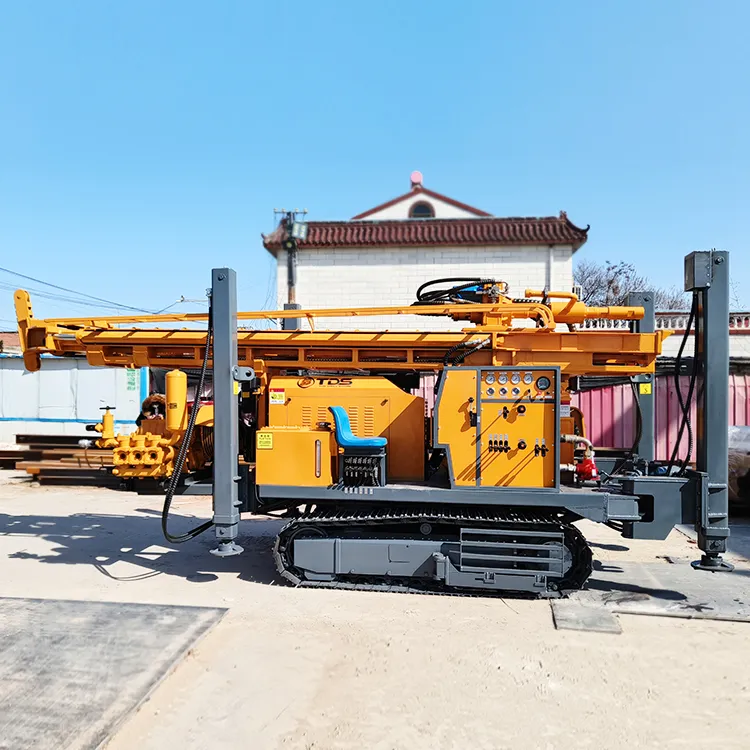
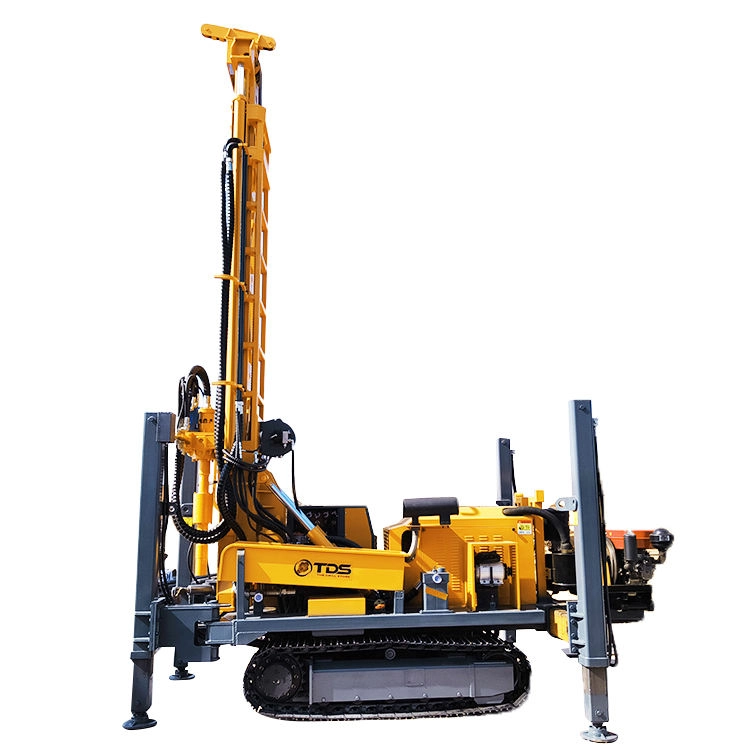
When you need a water well drilling rig that truly delivers, TDS (The Drill Store) has earned trust as a supplier of high-performance, reliable exploration and water well drill rigs. They specialize in water well drilling equipment. They provide global clients with high-performance, reliable water well drill rigs, backed by nearly two decades of R&D experience. Browse their selection for setups built to match growing demands.
Conclusion
To sum things up, picking the right water well drilling rig comes down to three big pieces: solid performance, real toughness, and smart cost control. Get those right for your high-volume work, and you grow water access operations smoothly. You drill more holes with far less trouble. Whether you supply farms or industrial sites, the correct rig changes tough jobs into steady wins. Time to check specs and find your match.
FAQs
What makes a water well drilling rig suitable for high-volume commercial projects?
A good rig needs strong output from solid hydraulic systems and tough parts like reinforced frames and long-lasting power heads. It should tackle depths past 300m without slowing much. Look for low fuel use and simple upkeep too. Those features keep costs down and limit expensive downtime.
How do I evaluate the durability of a water well drilling rig?
Check the frame first—thick welded steel with good outriggers and sealed tanks. See how wear items like bearings and seals hold up. Real toughness appears in high running time. Aim for rigs that need oil changes every 200 hours and fix common issues like stuck valves quickly. Field stories prove they last in rocky or muddy spots.
What’s the role of cost-efficiency in selecting a water well drilling rig?
Cost-efficiency balances the sticker price with money saved later. Choose rigs that burn less fuel—around 5-10 gallons an hour—and let crews fix things fast. Over years that can cut operating expenses by 15-20%. It matters most when you scale up wells for farms or factories.
Are there specific maintenance tips for a water well drilling rig in commercial use?
Yes, follow a clear schedule. Change hydraulic oil and filters every 200-250 hours. Grease moving parts once a week. Look over air filters daily. On the power head, watch seals and bearings closely—they wear quickest. Doing this stops most common problems like pressure drops from dirty lines.
How does performance impact the success of high-volume water well drilling?
Strong performance pushes more holes finished on time. Faster drilling—sometimes 50 feet per hour—and reliable hydraulics mean quicker lifts without lag. In busy commercial work, that boosts return on investment. Multi-pump systems help a lot by handling extra tasks smoothly.
 Russian
  English
  Portuguese
  Spanish
  Italian
  German
  French
  Dutch
Dutch  Arabic